

Modèles de flux de travail pour les soins de santé

Modèle de processus d'approbation de document
Un modèle de processus d'approbation de document est utilisé pour documenter un processus manuel d'examen et d'approbation de documents. Il peut être utilisé pour un processus interne ou un processus d'examen par les clients. Que ce soit un contrat, une facture ou d'autres types de documents, assurez-vous que vos employés vous soumettent les documents importants à l'aide d'un modèle automatisé de processus d'approbation de document. Lorsqu'un employé remplit votre formulaire de téléchargement de document, la soumission est envoyée à leur(s) responsable(s) hiérarchique(s), à vous-même ou à toute autre personne de votre choix. Cette personne approuve ou rejette ensuite le document, déclenchant ainsi un e-mail de réponse automatique qui informera l'employé de la décision. Ajoutez davantage de personnes chargées de l'approbation à ce modèle de processus d'approbation de document, configurez des branches conditionnelles et des notifications, personnalisez les e-mails de réponse automatique, définissez des limites de temps de réponse, et bien plus encore, grâce au générateur de glisser-déposer de Jotform. Vous pouvez visualiser et gérer votre flux d'approbation sur n'importe quel appareil, et les personnes chargées de l'approbation peuvent répondre à leurs tâches directement depuis leur boîte de réception ! Accélérez l'examen des documents avec un modèle gratuit en ligne de processus d'approbation de document pour votre entreprise ou organisation.
Accéder à la catégorie :Santé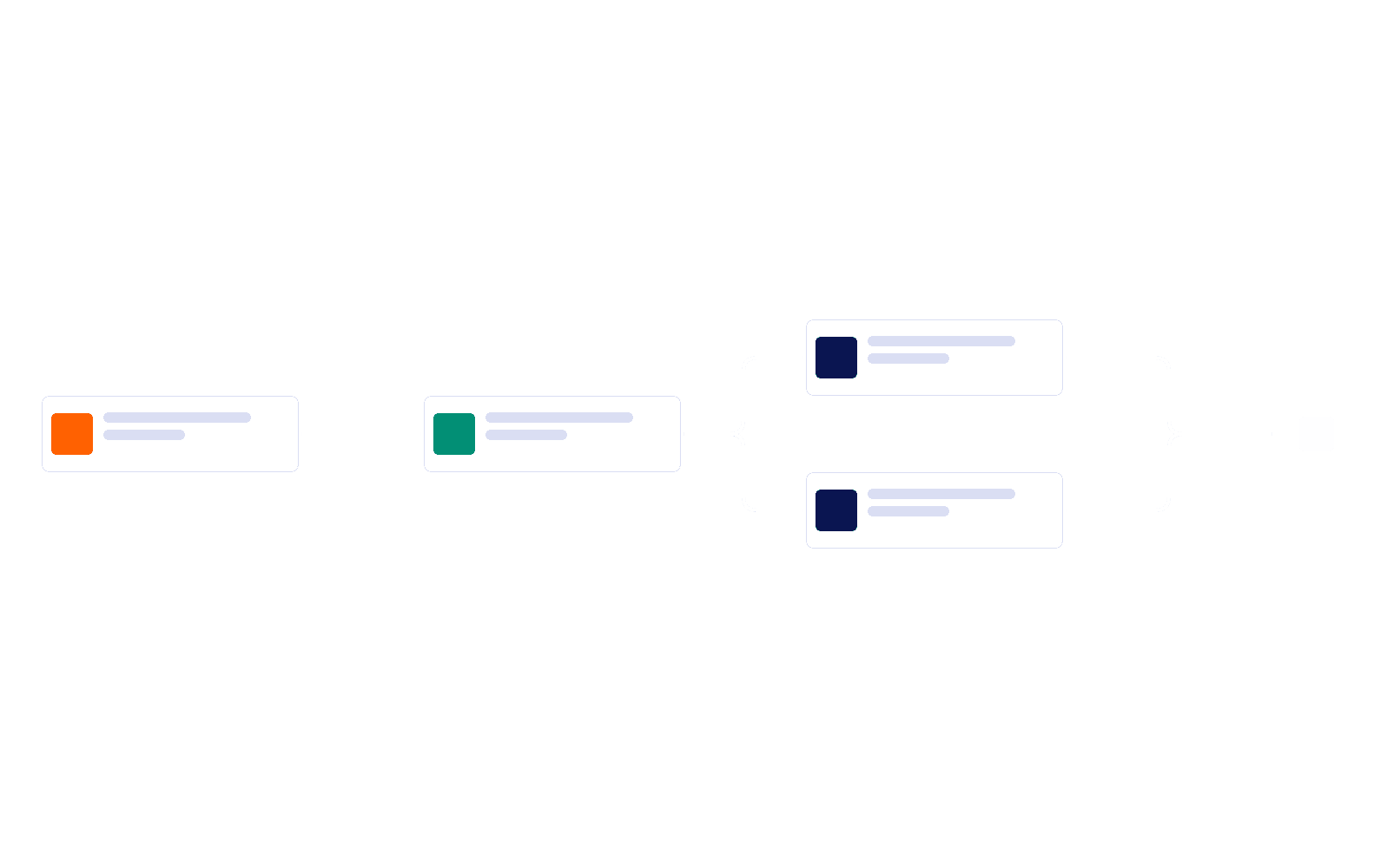
Modèle d'approbation de rendez-vous pour le vaccin contre la COVID-19
Accélérez le traitement des demandes de rendez-vous pour la vaccination en utilisant le modèle gratuit de Jotform pour le processus d'approbation des rendez-vous de vaccination contre la COVID-19 ! Lorsqu'un patient remplit votre formulaire de rendez-vous pour la vaccination contre la COVID-19 et le formulaire de consentement, sa soumission est envoyée à votre personnel clinique pour examen. Ils approuveront ou rejeteront la réservation du rendez-vous ainsi que les détails du consentement directement depuis leur boîte de réception, ce qui enverra automatiquement un e-mail de notification au patient, l'informant immédiatement du résultat. Personnalisez ce modèle de processus d'approbation des rendez-vous de vaccination contre la COVID-19 pour qu'il corresponde parfaitement à vos besoins grâce à notre générateur de glisser-déposer. Personnalisez les e-mails de réponse automatique, configurez les notifications, utilisez des branches conditionnelles et ajoutez d'autres personnes chargées de l'approbation en quelques clics simples. En tant que prestataire de soins de santé, vous pouvez même rendre vos formulaires conformes à la norme HIPAA avec nos plans Gold ou Enterprise ! Rationalisez votre processus d'approbation des rendez-vous pour vacciner les patients plus rapidement grâce à un modèle en ligne de processus d'approbation des rendez-vous de vaccination contre la COVID-19.
Accéder à la catégorie :Santé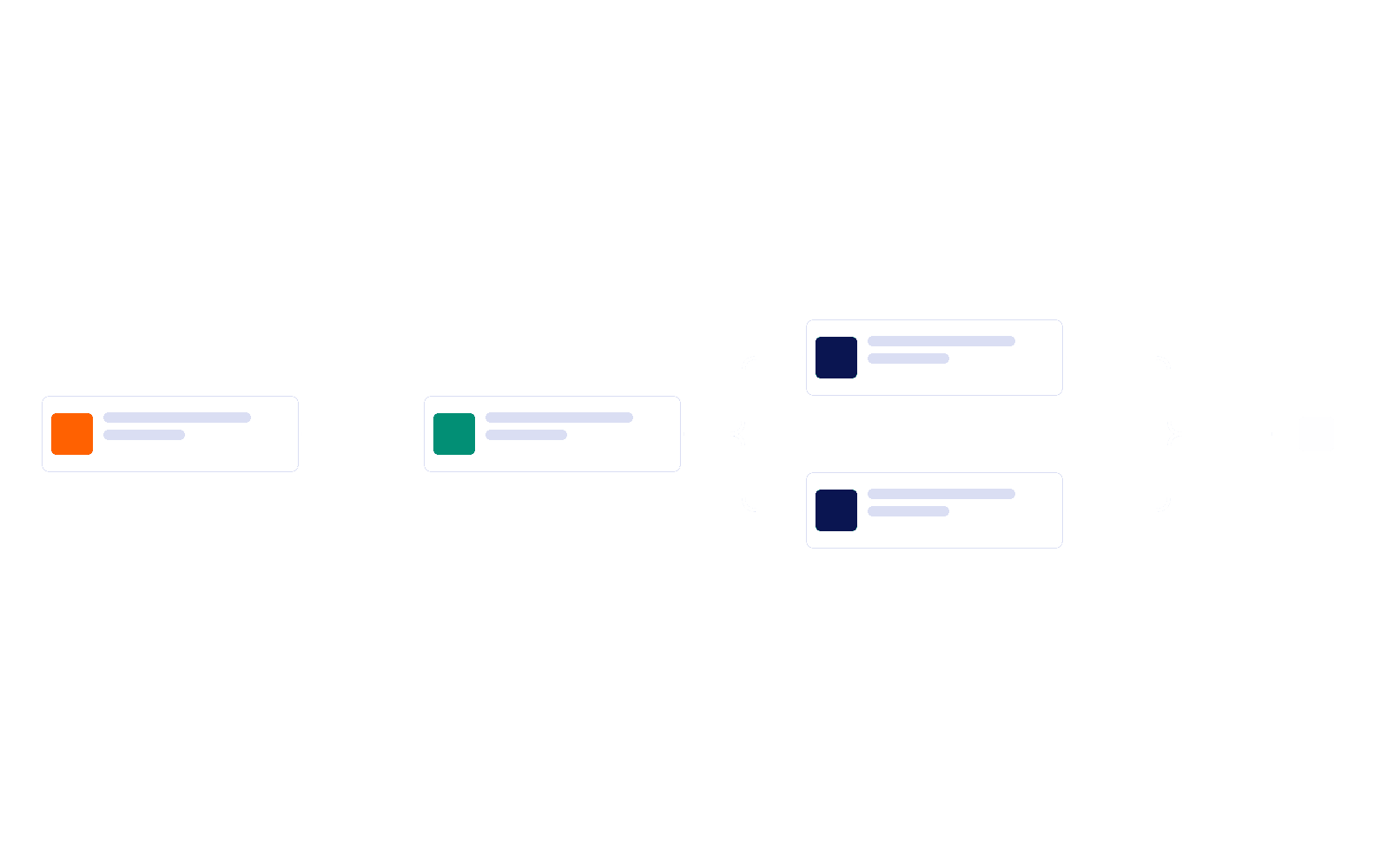
Modèle d'approbation de rendez-vous en télésanté
Que vous soyez responsable de la planification d'un cabinet privé, d'une clinique de médecine familiale ou d'un grand établissement de santé, gérez facilement les rendez-vous en télésanté avec notre modèle gratuit d'approbation de rendez-vous en télésanté. Lorsqu'un patient remplit votre formulaire de demande de visite électronique de télémédecine, les services aux patients seront instantanément informés pour vérifier leur soumission et l'approuver ou la refuser. Lorsque la décision finale est prise, le patient recevra automatiquement un e-mail de confirmation ou de rejet. Sans codage, vous pouvez mettre à jour ce modèle d'approbation de rendez-vous en télésanté prédéfini pour créer un flux d'approbation qui fonctionne mieux pour vous et votre organisation. Notre interface glisser-déposer vous permet de personnaliser entièrement le formulaire de demande de rendez-vous, d'affecter de nouvelles personnes ou services au flux d'approbation, d'ajouter de nouvelles conditions et e-mails, et plus encore. Avec un modèle d'approbation de rendez-vous en télésanté automatisé, l'approbation des patients et la planification de leurs rendez-vous seront un jeu d'enfant!
Accéder à la catégorie :Santé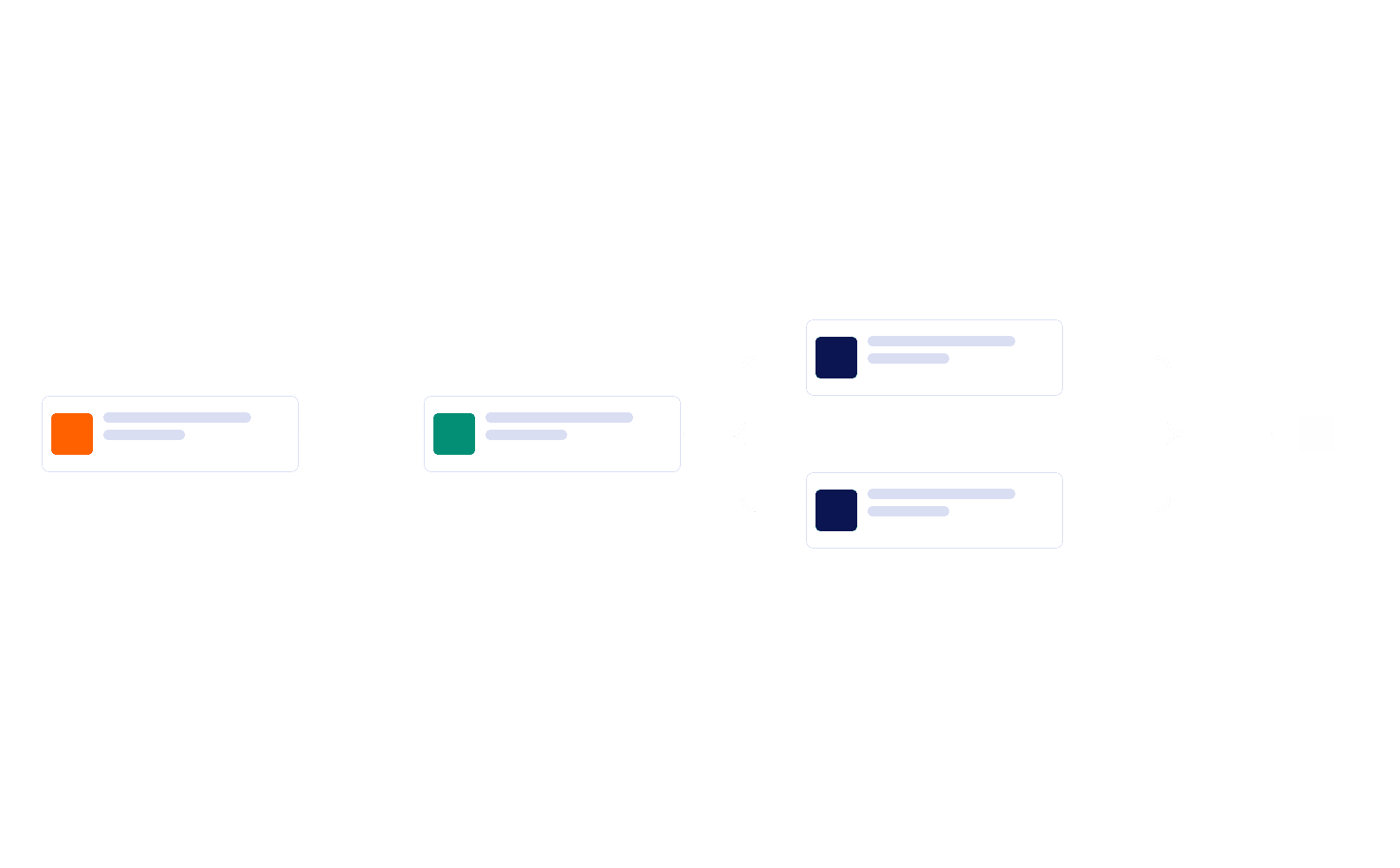
Modèle d'approbation de nomination de vaccin COVID-19
Accélérez la façon dont vous traitez les demandes de rendez-vous pour les vaccins avec le modèle d'approbation de rendez-vous pour les vaccins COVID-19 gratuit de Jotform! Lorsqu'un patient remplit votre formulaire de rendez-vous et de consentement pour la vaccination COVID-19, sa soumission sera envoyée à votre personnel clinique pour examen. Ils approuveront ou rejetteront les détails de la prise de rendez-vous et du consentement directement depuis leur boîte de réception, qui renverra automatiquement un e-mail au patient, l'informant instantanément du résultat. Faites en sorte que ce modèle d'approbation de rendez-vous pour un vaccin COVID-19 corresponde parfaitement à vos besoins avec notre générateur de glisser-déposer. Personnalisez les e-mails de l'autorépondeur, configurez les notifications, utilisez le branchement conditionnel et ajoutez plus d'approbateurs en quelques clics. En tant que fournisseur de soins de santé, vous pouvez même rendre vos formulaires conformes à la loi HIPAA avec nos plans Silver, Gold ou Enterprise ! Rationalisez votre processus d'approbation de rendez-vous pour que les patients reçoivent leurs vaccinations plus rapidement avec un modèle d'approbation de rendez-vous pour un vaccin COVID-19 en ligne.
Accéder à la catégorie :Santé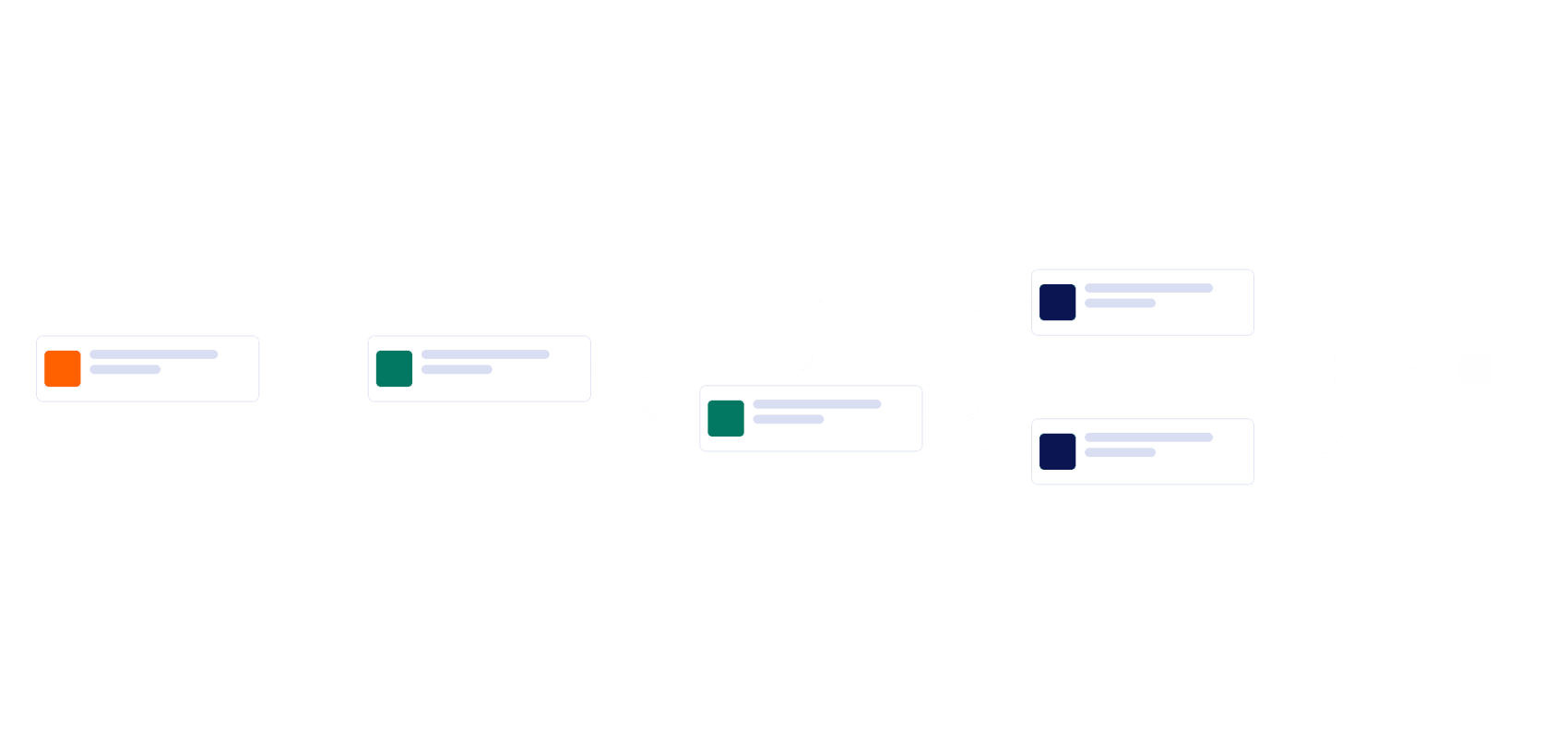
Modèle de pré-approbation médicale
Avant de prescrire des médicaments à un patient, les médecins doivent obtenir l'autorisation préalable de leur fournisseur de soins de santé. Notre modèle gratuit de pré-approbation médicale permet d'obtenir facilement les approbations des fournisseurs de soins de santé et des compagnies d'assurance avant que les médecins ne puissent procéder au traitement d'un patient. Lorsqu'un médecin remplit le formulaire en ligne, sa soumission sera instantanément transmise à un fournisseur de soins de santé, puis à un fournisseur d'assurance pour approuver ou refuser la demande. Un courriel automatisé sera envoyé au médecin détaillant la décision finale. N'hésitez pas à personnaliser ce modèle de processus de pré-approbation médicale pour votre organisation en quelques clics. Faites simplement glisser et déposez pour affecter des approbateurs via une adresse e-mail, créez de nouveaux éléments de flux de travail tels que des résultats et des e-mails, et bien plus encore. En tant que propriétaire du formulaire, vous pouvez suivre l'activité des approbateurs et gérer les tâches en attente à partir de la boîte de réception Jotform sur n'importe quel appareil. Assurez-vous que les patients peuvent se permettre de payer pour le traitement dont ils ont besoin en communiquant avec les bonnes personnes à l'aide de notre modèle de processus de pré-approbation médicale.
Accéder à la catégorie :SantéÀ propos des modèles de flux de travail Santé
Les modèles de flux de travail dédiés au secteur de la santé sont des modèles numériques conçus spécifiquement pour optimiser les opérations de soins de santé. Ces modèles répondent aux besoins uniques des établissements de santé en proposant des processus structurés et automatisés. Gérer efficacement les flux de travail est essentiel pour garantir une collecte de données précise et efficace, la prise en charge rapide des patients et le respect des exigences réglementaires. Les flux de travail spécifiques au secteur de la santé impliquent souvent des structures d'approbation complexes, de multiples points de saisie de données et une communication rapide entre les services. Grâce à ces modèles, les professionnels de santé peuvent réduire leurs charges administratives et se concentrer davantage sur la qualité des soins prodigués aux patients.
Jotform Workflows stands out as the premier online workflow builder for healthcare professionals looking to enhance operational efficiency. With its user-friendly drag-and-drop interface, healthcare providers can easily customize and automate various tasks, approvals, notifications, and other workflow actions. This flexibility allows for the implementation of processes that align perfectly with the specific needs of any healthcare practice. Moreover, Jotform Workflows offers centralized progress tracking and data management through Jotform Inbox and Jotform Tables, providing real-time insights into workflow progress and facilitating seamless data handling across different departments. This ensures that all data and processes are managed efficiently, contributing to improved patient outcomes and streamlined healthcare operations.
Why Use Workflow Templates for Healthcare?
- Workflow Templates for Healthcare Templates are vital for maintaining accuracy in a sector where precision is paramount. These templates help ensure that all data entries are precise and consistent across various processes, reducing the risk of errors that can have serious implications on patient health and safety. By automating repetitive tasks, healthcare providers can focus on delivering quality care without the distraction of manual administrative tasks.
- Speed is a critical factor in healthcare, and these templates significantly enhance the pace at which processes are completed. By automating workflows such as patient check-ins and prescription renewals, healthcare facilities can reduce waiting times and improve patient satisfaction. The automation of these processes also allows healthcare providers to allocate more time to patient interaction and care delivery.
- Process consistency is ensured through the use of Workflow Templates for Healthcare Templates, as they provide a standardized approach to handling various tasks. This consistency minimizes variability in care delivery, ensuring that all patients receive the same level of attention and service. By reducing discrepancies in process execution, these templates help in maintaining high standards of care.
- Accountability is enhanced as each step in a workflow is tracked and documented, providing a clear audit trail. This transparency is crucial in healthcare where accountability can impact patient outcomes and regulatory compliance. By using these templates, healthcare providers can easily monitor who is responsible for each task and ensure that all actions are completed as required.
- Professional data handling is facilitated through Jotform Workflows, which provides secure and efficient management of sensitive healthcare information. With integrated third-party services, data can be seamlessly shared and stored, supporting compliance with data protection standards. This capability ensures that all patient data is handled with the utmost care and security, safeguarding against breaches or mismanagement.
Common Problems Solved by Workflow Templates for Healthcare
- Manual follow-ups are a time-consuming aspect of healthcare administration, often leading to delays and inefficiencies. Workflow Templates for Healthcare Templates automate follow-up processes through automated notifications and reminders, ensuring that all tasks are completed on time without the need for constant manual intervention. This automation reduces the workload on administrative staff and enhances overall efficiency.
- Disconnected processes can lead to miscommunication and errors within healthcare facilities. These templates integrate various tasks and approvals into a cohesive workflow, ensuring that all departments are aligned and working towards common goals. By connecting different aspects of healthcare operations, these templates promote seamless communication and coordination across the organization.
- Approval delays can have significant consequences in healthcare where timely decision-making is crucial. By automating approval workflows, these templates streamline the process of obtaining necessary authorizations, reducing wait times and expediting patient care. Automated approvals ensure that requests are routed to the appropriate individuals quickly, facilitating faster response times.
- Unclear responsibilities can lead to confusion and inefficiencies within healthcare teams. Workflow Templates for Healthcare Templates clearly outline each participant's role and responsibilities, ensuring that all team members understand their tasks and accountability. This clarity in role assignment promotes better team collaboration and efficient workflow execution.
- Lost information is a common problem in manual processes that can result in critical data being misplaced or overlooked. These templates centralize data management, ensuring that all information is captured and stored systematically. By providing a reliable repository for data, healthcare providers can prevent information loss and ensure that all patient and operational data are accessible when needed.
Des fonctionnalités adaptées à de nombreux cas d’utilisation
- Patient intake processes can be streamlined using the Drag-and-Drop Workflow Builder, allowing healthcare providers to design intuitive and efficient intake forms. This feature facilitates the easy collection of patient information, ensuring that all necessary data is captured accurately and efficiently from the outset.
- Conditional Logic is particularly useful in routing patients to appropriate departments based on their specific needs or conditions. By using conditional rules, workflows can automatically direct patients to the relevant healthcare professionals, optimizing resource allocation and enhancing patient care.
- Automated Approvals play a crucial role in medication management workflows by ensuring that prescriptions and medication orders are swiftly authorized by the appropriate personnel. This feature reduces the time taken to approve medication requests, ensuring that patients receive timely treatment.
- Task Assignments are essential for managing complex care plans that involve multiple healthcare providers. By assigning specific tasks to team members, healthcare facilities can ensure that all aspects of patient care are covered and that each provider is aware of their responsibilities.
- Electronic Signature Requests are vital for obtaining patient consent for treatments or procedures, ensuring that all necessary authorizations are documented and legally binding. This feature facilitates the secure collection of electronic signatures, streamlining the consent process and maintaining compliance with legal requirements.
- Third-Party Integrations enable seamless data sharing between Jotform Workflows and external systems such as electronic health records (EHRs). This integration ensures that all patient data is consistently updated across platforms, providing healthcare providers with comprehensive and up-to-date information.
- Real-Time Progress Tracking allows healthcare managers to monitor the status of ongoing workflows, identifying any bottlenecks or delays that may impact patient care. By providing visibility into workflow progress, this feature supports proactive management and timely interventions.
How to Create a Workflow Templates for Healthcare
- Browse the Template List for a Workflow Templates for Healthcare workflow template or start with a blank workflow.
- Customize the workflow steps, assignments, conditions, and actions using the Drag-and-Drop Workflow Builder.
- Activate the workflow, connect it to the appropriate starting form, and monitor its progress through Jotform Inbox or Jotform Tables.
Top Use Cases for Workflow Templates for Healthcare
- For Managers: Workflow Templates for Healthcare Templates offer managers an effective way to oversee healthcare operations by providing clear visibility into all ongoing processes. Managers can use these templates to monitor task completion, track approvals, and ensure that all workflows are aligned with the organization's objectives. By centralizing data and progress tracking, managers can make informed decisions that enhance operational efficiency and improve patient outcomes.
- For Teams: Healthcare teams benefit from these templates as they facilitate seamless collaboration and communication across different departments. By clearly defining roles and responsibilities, teams can work more cohesively, reducing the risk of miscommunication and ensuring that all patient care activities are executed efficiently. The automation of routine tasks also allows team members to focus more on patient interaction and care delivery, enhancing the overall quality of service.
- For Customers: Patients and clients experience improved service quality and reduced wait times thanks to the streamlined processes enabled by Workflow Templates for Healthcare Templates. Automated workflows ensure that appointments are scheduled efficiently, follow-up care is timely, and all interactions are documented accurately. This level of service enhances patient satisfaction and trust in healthcare providers, leading to better patient engagement and outcomes.
Summarizing Workflow Templates for Healthcare
Workflow Templates for Healthcare Templates are an invaluable asset for healthcare providers seeking to optimize their operations and improve patient care. By automating and standardizing various healthcare processes, these templates enhance accuracy, speed, and consistency across the healthcare continuum. Jotform Workflows provides a robust platform for creating and managing these templates, offering features such as automated approvals, task assignments, and real-time progress tracking. With centralized data management and seamless integration capabilities, healthcare providers can ensure that all operations are efficient, compliant, and focused on delivering the highest quality of care.
FAQ
1) Que sont les modèles de flux de travail de soins de santé ?
Les modèles de flux de travail de soins de santé sont des outils d'automatisation prédéfinis conçus pour rationaliser divers processus médicaux et administratifs dans les établissements de santé, tels que l'admission des patients, la planification des rendez-vous, le suivi des médicaments et la gestion des dossiers médicaux. Ces modèles améliorent l'efficacité et réduisent les tâches manuelles dans les opérations de soins de santé.
2) Comment les modèles de flux de travail de soins de santé peuvent-ils bénéficier aux professionnels de la santé ?
Les modèles de flux de travail de soins de santé automatisent les tâches répétitives telles que l'admission des patients, les rappels de rendez-vous et la facturation, permettant ainsi aux professionnels de la santé de se concentrer sur les soins aux patients. Ils contribuent à réduire les charges administratives, à améliorer la précision et à accroître l'efficacité globale dans les établissements de santé.
3) Quels types de processus les modèles de flux de travail de soins de santé peuvent-ils automatiser ?
Les modèles de flux de travail de soins de santé peuvent automatiser des processus tels que l'enregistrement des patients, le suivi des tests de laboratoire, le renouvellement des ordonnances, la planification des rendez-vous, la gestion des demandes d'indemnisation et les procédures de sortie. Cette automatisation permet aux établissements de santé de fonctionner plus facilement.
4) Comment les modèles de flux de travail de soins de santé garantissent-ils la sécurité des données des patients ?
Les modèles de flux de travail de soins de santé respectent des normes strictes de confidentialité et de sécurité des données, telles que l'HIPAA. Ils intègrent un accès basé sur les rôles, un chiffrement des données et des pistes d'audit pour garantir que les informations sensibles des patients sont protégées à chaque étape du flux de travail.
5) Les modèles de flux de travail de soins de santé sont-ils personnalisables pour différentes pratiques médicales ?
Oui, les modèles de flux de travail de soins de santé sont entièrement personnalisables pour répondre aux besoins uniques de diverses pratiques médicales, notamment les hôpitaux, les cliniques, les cabinets dentaires et les cabinets spécialisés. Les utilisateurs peuvent ajuster les champs, les approbations et les processus pour répondre à leurs besoins spécifiques.
6) Les modèles de flux de travail de soins de santé peuvent-ils améliorer l’expérience des patients ?
Absolument. Les modèles de flux de travail de soins de santé rationalisent des tâches telles que la planification des rendez-vous, les rappels aux patients et la collecte de commentaires. En automatisant ces processus, les prestataires de soins de santé peuvent réduire les temps d'attente, améliorer la communication et offrir une expérience patient plus fluide.
7) Comment les modèles de flux de travail de soins de santé aident-ils à la conformité et au respect des rapports réglementaires ?
Les modèles de flux de travail de santé garantissent que toutes les étapes nécessaires des processus tels que les soins aux patients, la documentation et la facturation sont suivies, réduisant ainsi le risque de non-conformité. Ils peuvent automatiser la collecte de données, créer des pistes d'audit et générer des rapports pour les organismes de réglementation, ce qui facilite la gestion de la conformité.
8) Quels sont les avantages de l’utilisation de modèles de flux de travail de soins de santé pour la facturation médicale ?
Les modèles de flux de travail de soins de santé peuvent automatiser le cycle de facturation en simplifiant les soumissions de réclamations, la génération de factures et le suivi des paiements. Cela réduit les erreurs manuelles, accélère les processus de remboursement et garantit une gestion financière précise pour les prestataires de soins de santé.
9) Comment les modèles de flux de travail de soins de santé prennent-ils en charge les services de télémédecine ?
Les modèles de flux de travail de soins de santé peuvent améliorer la télémédecine en automatisant la planification des rendez-vous des patients, les rappels de consultation virtuelle, les suivis post-consultation et la tenue des dossiers numériques. Cela garantit que les services de télémédecine fonctionnent sans problème et sont intégrés au flux de travail global de la clinique.
10) Comment les modèles de flux de travail de soins de santé peuvent-ils être utilisés dans un cadre d'admission des patients et de documentation ?
Les modèles de flux de travail de soins de santé simplifient le processus d'admission des patients en automatisant la collecte des informations personnelles, des antécédents médicaux, des formulaires de consentement et des informations d'assurance. Cela réduit la paperasse, améliore la précision et garantit que la documentation est stockée en toute sécurité et accessible en cas de besoin.