

Lean process improvement is a management approach that helps organizations systematically eliminate waste, improve efficiency, and increase the value delivered to customers.
In the 1950s, car manufacturer Toyota identified seven types of waste that were holding back its operations. It created a plan to minimize or eliminate them — and lean process improvement was born.
Lean thinking forced the entire Toyota leadership team to reassess their views of productivity and value and make serious company-wide changes. Though it wasn’t easy, it’s the primary reason Toyota is so successful today.
But what constitutes lean process improvement and how can you successfully introduce it in your company?
What is lean process improvement?
Lean process improvement is a philosophy and set of practices designed to help organizations deliver better results by removing non-value-adding work from their processes.
Lean process improvement reshapes how teams think about speed, collaboration, and quality by focusing on continuous improvement rather than one-time optimization.
Lean process improvement is a philosophy that helps companies eliminate waste and create value for their customers by following the five principles below.
The 5 principles of lean process improvement
1. Value
In lean thinking, value is defined by what the customer wants and how much they are willing to pay for it. You first need to understand value by conducting customer interviews and surveys and reviewing website data analytics, so your business doesn’t waste resources making products that don’t meet customer needs.
2. Value stream
The value stream represents the full sequence of activities required to deliver a product or service, including both value-adding and non-value-adding steps. Once you know how much of a product you need to create based on customer demand, you can map out its value stream (or workflow) all the way back to its raw materials, from parts and software to nuts and bolts.
Read our guide to building a value stream map using a Kanban board.
3. Flow
Flow describes how smoothly work progresses through the value stream without delays, idle time, or rework. Without flow, a (value) stream is just a still body of water — flow creates movement, helping it run more smoothly and powerfully. With the lean process, your company can transform from a slow-moving stream to a raging river.
You can achieve flow through proper communication, collaboration, and balanced workloads, while streamlining your workflow with automation to get the job done. To be truly effective and avoid bottlenecks, colleagues need to work together during this part of the lean management process.
4. Pull
A pull system limits work to actual demand, preventing teams from producing excess output that consumes time, money, and resources. “Pull” means producing exactly what’s needed at a given time, based on the value stream planning process, limited inventory, and just-in-time deliveries — rather than overproduction and exceeding quotas. By establishing a pull system, you’re “pulling work” based on demand, not forecasts. Just because you can produce mountains of inventory doesn’t necessarily mean you should.
5. Perfection
Perfection in lean refers to the ongoing discipline of reviewing processes, reducing variation, and preventing recurring problems. With lean process improvement, perfection is always the goal: perfect planning, perfect collaboration, and perfect goods and services. Or, at least, it’s the pursuit of perfection as you analyze and improve each work cycle before the next attempt. Striving for perfection and consistency results in fewer errors and less waste over time.
By implementing these five practices, you can minimize waste throughout your company. But why is it important?
Why should organizations improve their lean management systems?
First, reducing waste allows your business to make more money through improved lead times, productivity, and efficiency. Lean process improvement also allows for more sustainable practices, better employee and customer satisfaction, and a higher quality product.
And though it doesn’t happen overnight — it takes a bit to train everyone and work out the kinks using various lean management software — lean process improvement is worth considering, especially since powerhouse companies like Nike, John Deere, and Intel all use it.
Businesses rely on many tools to help them follow lean principles. Here are the six best tools to help everyone on your team practice lean process improvement.
Top 6 lean process improvement tools — and how to use them
| Tool | Primary lean focus | Best for | Key strength |
|---|---|---|---|
 Trello (Kanban) |
Flow, work-in-progress limits |
Teams managing tasks and workloads |
Visualizing work and bottlenecks |
 Simul8 |
Bottleneck analysis, flow |
Operations and manufacturing teams |
Process simulation and scenario testing |
 Lucidchart |
Value stream mapping |
Cross-functional process teams |
End-to-end workflow visualization |
 AGENA3000 |
Value definition, cost control |
Sales and trade promotion teams |
ROI and agreement management |
 Domo |
Measurement, continuous improvement |
Leadership and operations teams |
Real-time KPI visibility |
 Jotform |
Automation, flow visibility |
Teams automating submission-driven workflows |
No-code workflow automation |
1. Try the kanban method with Trello
Best for: Teams that need visibility into task flow, ownership, and bottlenecks without complex setup or heavy process overhead.
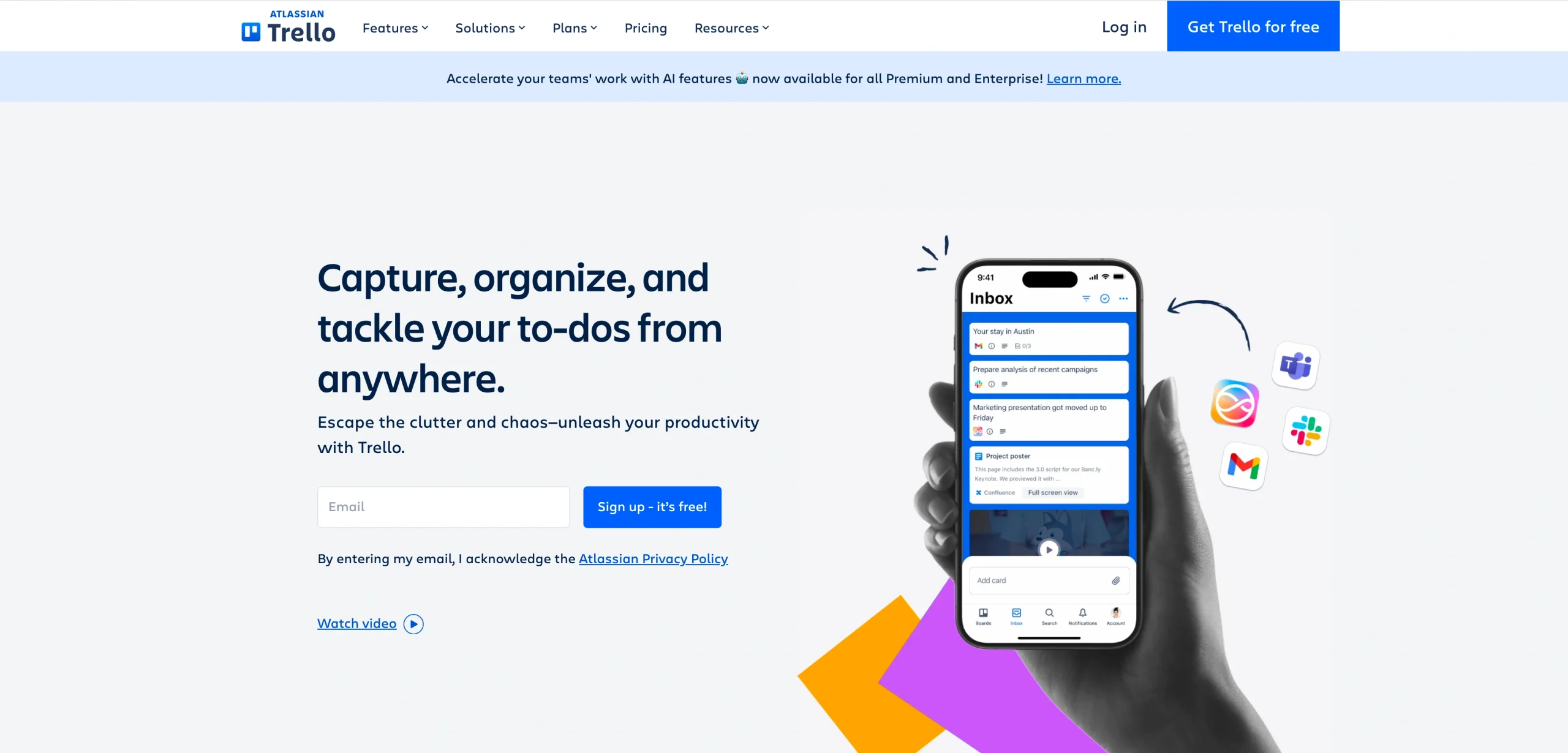
Kanban supports lean improvement by limiting work in progress and making bottlenecks visible before they escalate into delivery problems.
Essentially a way to create a giant to-do list, the kanban method is an effective way to manage workloads and alleviate overburdened employees while still providing valuable, high-quality products and services to your customers.
By visualizing how work is flowing and which tasks are in progress, the kanban board template on Trello improves efficiency, increases productivity, promotes transparency, and enforces collaboration and teamwork across the organization.
2. Analyze bottlenecks with Simul8
Best for: Operations, manufacturing, and logistics teams that need to model complex processes and predict the impact of change.
Process simulation helps teams understand how changes affect throughput, capacity, and constraints before those changes are applied in real workflows. Bottlenecks in production can severely cripple your bottom line, whether in lost revenue and time or unhappy, dissatisfied employees or customers.
By outlining your delivery process and building a simulation in Simul8, you can identify where, why, and how bottlenecks occur. And thanks to its low-stakes setting, you can test process changes to ensure they work before introducing them in real-life scenarios.
3. Map your value stream with Lucidchart
Best for: Cross-functional teams that need a shared, end-to-end view of how work flows from request to delivery.
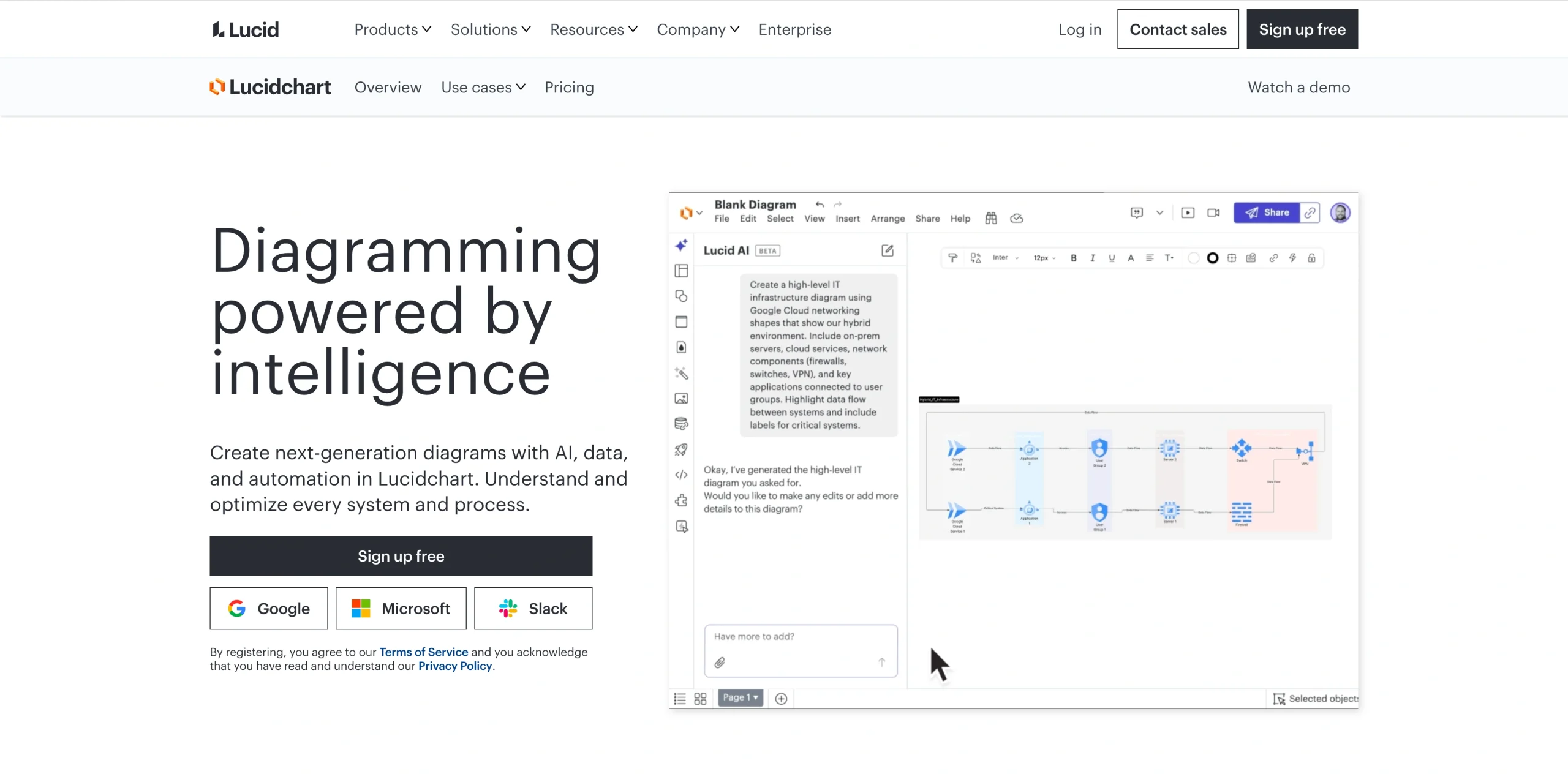
Value stream mapping tools help teams uncover waste by visualizing how information and materials move across a process from start to finish. At its core, value stream mapping (VSM) is about creating flowcharts designed to represent how information and material move through the production process. With Lucidchart, you can transform your flat, whiteboard-based VSM process into an interactive and intuitive one. You can improve your analysis from beginning to end with various templates, including full-scope product timelines that include inventory and wait times.
4. Define value with AGENA3000
Best for: Organizations managing high volumes of trade promotions, retail agreements, or indirect sales incentives.
Clear visibility into commercial agreements helps organizations protect margins and reduce indirect operational costs. To effectively control your profit margins and decrease your indirect costs, you need to both understand and manage your commercial agreements with retailers.
From tracking audits and generating settlement proposals to calculating provisions and integrating marketing campaigns, AGENA3000’s trade promotion management (TPM) solution helps you measure your return on investment (ROI) and stay in command of your sales process.
5. Strive for perfection with Domo
Best for: Leadership and operations teams that need real-time insight into KPIs across departments.
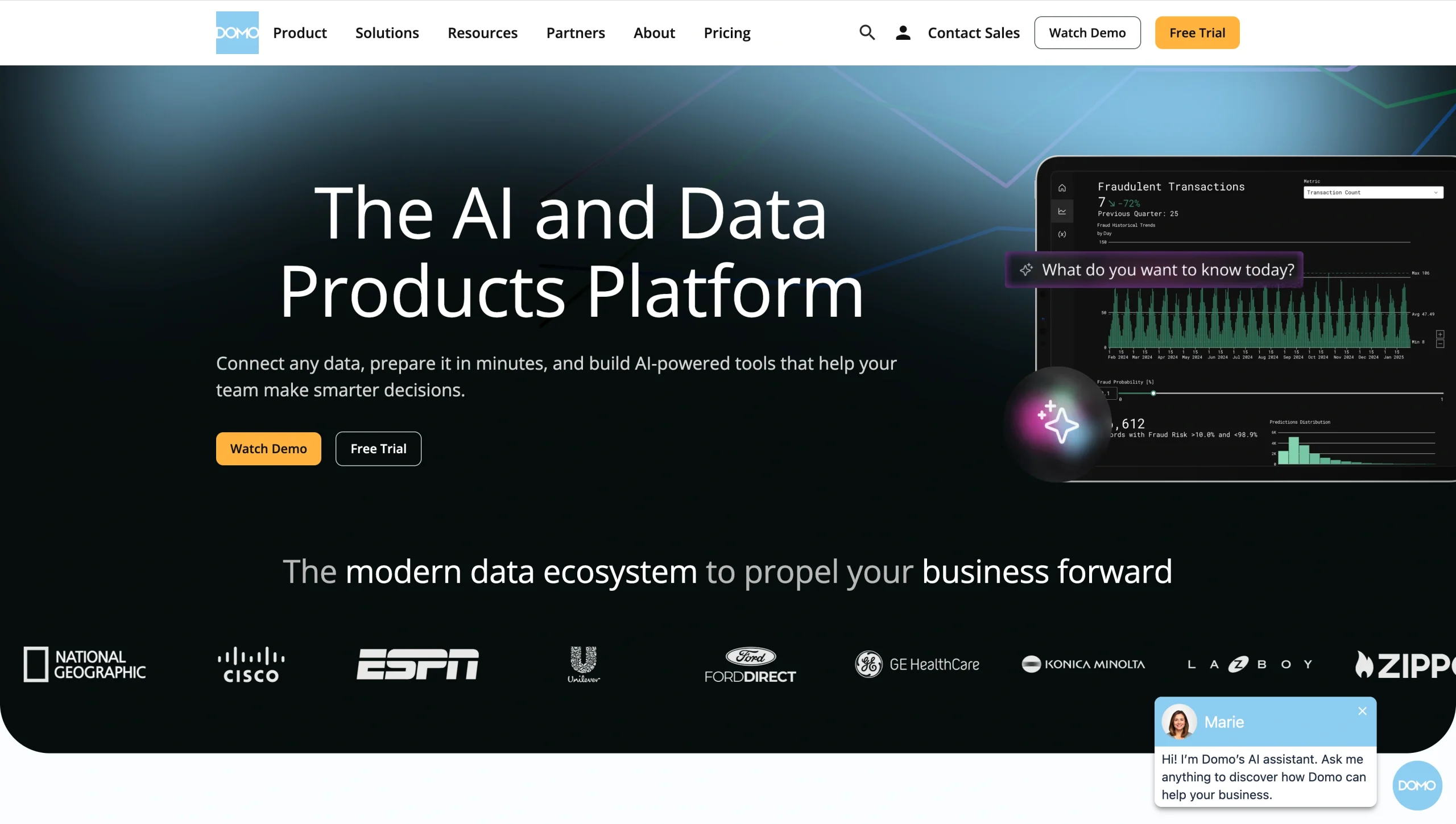
Continuous improvement depends on consistently measuring performance across teams, systems, and workflows. With Domo’s KPI dashboards, you can measure performance over time using one modern, centralized platform.
Thanks to its real-time alerts, integrations with more than 1,000 popular data sources, and collaborative discussion boards, Domo makes it easy to get your organization as close to perfect as possible.
6. Automate with Jotform
Best for: teams that want to automate approvals, data collection, and internal workflows quickly without custom software development.
When it comes to the lean process, you need automated, streamlined systems to help make your work life easier.
Online form builder Jotform offers customizable forms, PDFs, tables, boards and workflows to help manage whatever you need — whether it’s collecting data about the workflow, budget or leave request approvals, or anything in between. And with Jotform, you don’t need to be a software developer to automate workflows since it’s a code-free platform.
To avoid delays and inconsistent handoffs, automated processes also need clear rules for how work moves between steps. Jotform Workflows connect form submissions to conditional routing logic, ensuring each request automatically moves to the right person or next step.
Once workflows are automated and routed correctly, teams also need visibility into how work progresses. Jotform Boards provide this visibility by displaying submissions as cards, making it easy to track work in progress and identify bottlenecks.
Final takeaway
Lean process improvement helps organizations consistently improve quality, reduce production cycle time, and increase customer satisfaction.
By using your resources well, trimming excess waste from your processes, and implementing these lean process improvement tools, you’ll improve quality, reduce production cycle time, and improve overall productivity and customer satisfaction in your organization.
Frequently asked questions for lean process improvement tools
LSS tools are the methods used in Lean Six Sigma projects to define a problem, measure performance, find root causes, test improvements, and sustain results through the DMAIC cycle. Common examples include project charters and SIPOC in Define, data collection and process mapping in Measure, fishbone diagrams and Pareto charts in Analyze, FMEA and pilot testing in Improve, and control charts and standard work in Control.
The 5 C’s are a workplace organization method closely related to 5S, used to create order and reduce daily operational waste:
- Clear Out
- Configure
- Clean and Check
- Conformity
- Custom and Practice
When people say “7 Six Sigma tools,” they often mean the seven basic quality tools widely used in Six Sigma problem solving:
- Cause and effect diagram
- Check sheet
- Control chart
- Histogram
- Pareto chart
- Scatter diagram
- Stratification, or flowchart, or run chart depending on the source
This article is for business leaders, operations managers, process improvement professionals, and cross-functional teams in growing or established organizations, and anyone who wants to understand lean process improvement principles and apply practical tools to reduce waste, improve efficiency, and deliver greater customer value.









Send Comment: