

10 ways to improve volunteer recruitment
- Create a clear vision and plan for your volunteer program
- Consider your nonprofit’s image
- Craft your volunteer recruitment message
- Make it easy to sign up to volunteer
- Target your volunteer recruitment efforts
- Provide meaningful work
- Encourage word-of-mouth recruitment with incentives
- Partner with other organizations
- Don’t be afraid of empty seats
- Ask for feedback on your process
Volunteer management is a core operational function for nonprofits that rely on volunteers to deliver programs and services. When volunteers are essential to carrying out your nonprofit’s mission, it’s critical to consistently attract enough engaged and qualified people to fill open roles.
In the United States alone, 60.7 million people formally volunteered in 2022, according to the U.S. Bureau of Labor Statistics. This level of participation demonstrates that many people are willing to give their time and skills to meaningful causes, but it also highlights the competitive landscape nonprofits face when attracting and engaging volunteers.
To attract these volunteers, nonprofits must design programs that meet volunteer motivations, such as gaining work experience, fulfilling school requirements, meeting like-minded people, or staying active during retirement.
Below are 10 practical ways to improve volunteer recruitment and secure the support your nonprofit needs.
Discover how a nonprofit museum successfully managed volunteers to boost their impact. Gain insights from their experience to enhance your own volunteer recruitment efforts with nonprofit forms.
10 ways to improve volunteer recruitment in 2026
Here’s a proven set of strategies to help you recruit, engage, and retain the right volunteers.
1. Create a clear vision and plan for your volunteer program
It’s not enough to want volunteers. You need to define your volunteer program and your expectations for volunteers, including a long-term vision for the program and a mission to define its purpose.
Craft written policies and procedures for volunteers to follow. Define different job descriptions as you would with paid positions, and lay out the responsibilities for each. For example, your social media coordinator would be in charge of posting to Facebook, Instagram, and Twitter, as well as responding to comments that people leave on your posts.
2. Consider your nonprofit’s image
Volunteers want to give their time to a cause they believe in, and it’s important to examine how the public perceives your organization. Look at how you present your successes, goals, and mission on social media and your website, and put yourself in the shoes of a potential volunteer. This review helps determine what types of volunteers your organization is most likely to attract.
3. Craft your volunteer recruitment message
A strong volunteer recruitment message clearly explains who you need, why you need them, and what they will gain.
Focus your message on the purpose of the role, the positions you are filling, and the type of volunteers you want to recruit. Address common volunteer questions directly, including required skills, time commitment, and expected impact. As you write, consider the concerns a potential volunteer may have and whether your message clearly communicates expectations.
Clear messaging reduces mismatched applications and improves retention. Use this messaging consistently across your website’s recruitment section and any printed materials you distribute.
4. Make it easy to sign up to volunteer
If volunteers cannot easily express interest, they may choose another organization. Create a dedicated volunteer recruitment page on your website that lists open roles and opportunities.
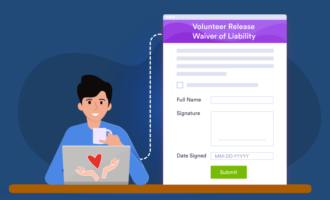
Embed a form that allows potential volunteers to submit contact details, availability, and areas of interest. Simple, visible signup forms increase response rates and reduce drop-off. Tools like Jotform allow nonprofits to create volunteer signup forms quickly, customize fields, and publish forms directly on their website without coding.
5. Target your volunteer recruitment efforts
If you need volunteers with specific skills or interests, focus your outreach where those individuals already spend time. Targeted recruitment may take more planning, but it leads to stronger alignment and better long-term retention.
Define the skills and availability you need, then match your outreach accordingly. For example, recruit tutors through college education departments or student services offices, and seek marketing volunteers through professional groups or LinkedIn communities. You can use a Jotform application form to collect role-specific information, such as skills, availability, and experience, and route applicants to the appropriate opportunities.
When your outreach channels and application process are aligned with the right audience, you reduce mismatched applications and build a more reliable volunteer pipeline.
6. Provide meaningful work
While administrative tasks may be necessary, assigning volunteers work they did not sign up for often leads to disengagement. Volunteers who feel underutilized are more likely to leave for organizations that better meet their expectations. Providing meaningful, engaging responsibilities encourages long-term commitment and increases the likelihood that volunteers will recruit friends or colleagues.
7. Encourage word-of-mouth recruitment with incentives
Even with limited budgets, nonprofits can offer small incentives or recognition to encourage volunteers to recruit others. For example, a $25 gift card to a local coffee shop can motivate volunteers to invite friends to help with an upcoming event.
Word-of-mouth recruitment works because people tend to associate with others who share their values, and personal recommendations carry significant trust.
8. Partner with other organizations
Collaborate with local businesses, schools, and community organizations to promote your mission and volunteer opportunities. These partnerships benefit both sides: nonprofits gain volunteers, while partner organizations demonstrate social responsibility and community involvement.
9. Don’t be afraid of empty seats
If a volunteer does not seem to be working out or does not align with your nonprofit’s needs, it may be better to leave the role unfilled and wait for the right person rather than assigning someone who is not a good fit. Protecting program quality and team morale leads to stronger outcomes over time.
10. Ask for feedback on your process
Improving volunteer recruitment requires understanding how volunteers experience your recruitment process.
Ask volunteers directly, or through surveys, what they like and dislike about how you recruit volunteers. Invite specific suggestions on how your recruitment strategies could improve.
With intentional planning and ongoing feedback, nonprofits can continuously improve volunteer recruitment and attract qualified volunteers who support long-term mission success.
How Jotform supports volunteer recruitment for nonprofits
Jotform helps nonprofits streamline volunteer recruitment by combining online forms, workflows, and integrations in one platform.
With Jotform, nonprofits can:
- Create volunteer signup and application forms with no coding
- Use conditional logic to route applications based on skills or availability
- Automate follow-ups, approvals, and notifications with workflows
- Collect feedback through surveys to continuously improve recruitment
- Integrate volunteer data with tools like Google Sheets, CRMs, and email platforms
By reducing manual work and signup friction, Jotform helps nonprofits focus more time on building strong volunteer relationships and delivering impact.
Building a strong volunteer recruitment program
Effective volunteer recruitment depends on clarity, accessibility, and alignment. Nonprofits that define volunteer roles clearly, reduce signup friction, and offer meaningful work attract volunteers who are more likely to stay engaged long term.
Strong volunteer programs focus on fit over volume. Targeted outreach, clear expectations, and ongoing feedback help nonprofits recruit volunteers who share their values and bring relevant skills.
By treating volunteer recruitment as an ongoing operational process, not a one-time effort, nonprofits can build a reliable pipeline of qualified volunteers and strengthen their ability to deliver on their mission.
Frequently asked questions about volunteer recruitment
Nonprofits recruit volunteers by defining clear roles, promoting opportunities to the right audiences, and making signup easy through online forms or applications.
Example: “We’re seeking volunteers to tutor middle-school students for two hours per week and make a direct impact in our community.”
The best places to recruit volunteers are your nonprofit’s website, social media, local colleges, community groups, and partner organizations.
This article is for nonprofit leaders, volunteer coordinators, and community organizations, and anyone who wants to improve volunteer recruitment by attracting the right people, reducing signup friction, and building a sustainable, mission-aligned volunteer program.
















Send Comment:
1 Comment:
January 10, 2022
Supporting poor childrens educatiin