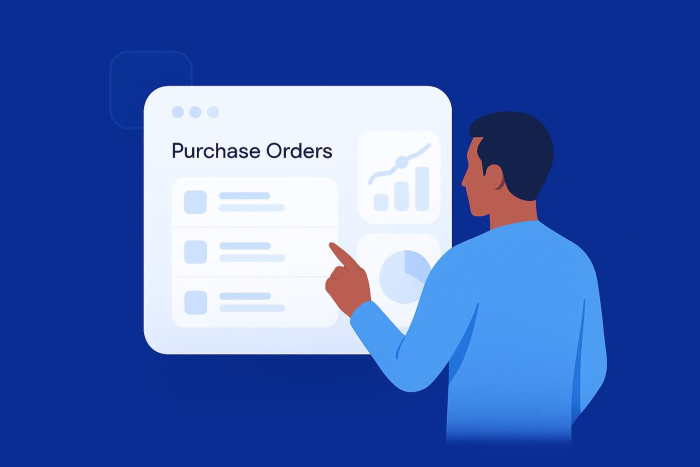

A blanket purchase order is a long-term purchasing agreement that allows companies to buy goods or services from a vendor over time without committing to exact quantities or delivery dates upfront.
A blanket purchase order is a long-term purchasing agreement that allows companies to buy goods or services from a vendor over time without committing to exact quantities or delivery dates upfront.
Uncertainty isn’t always a bad thing in business. A company may expect to make several purchases from a vendor over a period of time — without knowing the quantity of items or the delivery date.
While it may seem odd to sign a contract without those specifics, a blanket purchase order sets terms and conditions in advance, saving time and creating predictability for future purchases. Many businesses take this efficiency a step further by automating the approval process.
For example, a manufacturing company might establish a yearlong blanket purchase order with a parts supplier. Because parts can wear out unpredictably, the company knows replacements will be needed, just not how many or when. A blanket purchase agreement allows them to prepare for those future orders while maintaining flexibility.
But what is a purchase order anyway?
For the uninitiated, a purchase order is a kind of contract between a buyer and seller that dictates the terms of either single or multiple purchases. The four types of purchase orders are blanket, standard, planned, and contract. Each has its benefits, and there’s a purchase order for basically any purchasing need a company might have.
- A standard purchase order is used for a single, one-time purchase. It specifies the price, quantity, delivery date, and terms for that individual transaction.
- A planned purchase order is similar to a standard purchase order but includes a tentative delivery schedule. Companies create the order in advance and release it later as timing and quantities become clearer.
- A contract purchase order establishes the general terms and conditions for future purchases without committing to specific quantities or pricing. It defines the legal framework for ongoing buying but requires separate purchase orders for each transaction.
- A blanket purchase order is a long-term agreement that allows a buyer to place multiple orders with a supplier over a defined period without setting exact quantities or delivery dates upfront. It establishes pricing, terms, and limits in advance, enabling flexible ordering while maintaining cost control.
Blanket purchase orders, in comparison to the other three types, offer the greatest flexibility and it is some of the are some of the easiest to automate. This gives small businesses that don’t have the time to continually craft and negotiate purchase order agreements a significant advantage. Because approvals and terms are centralized in one agreement, automation eliminates repetitive reviews and manual follow-ups.
5 best practices for blanket purchase orders
When creating and approving a blanket purchase order, following a structured process helps reduce risk and prevent delays.
1. Vet suppliers carefully
Always evaluate suppliers before entering into a blanket purchase agreement, especially if they’re new to the industry or you’re unsure of their past performance. While a blanket order doesn’t lock you into purchasing poor-quality products, negotiating terms and managing issues later can consume valuable time and resources.
2. Clearly define terms in the initial request
The approval process typically begins when a department or individual submits a contract request for stakeholder review. This request should outline the proposed terms and conditions, including pricing structure, duration of the agreement, and any quantity estimates.
3. Provide realistic purchase estimates
For a blanket purchase agreement, you may not know exact quantities or delivery dates, but you should estimate expected purchasing volume over a set period. Accurate forecasting helps prevent budget shortfalls and strengthens negotiations with suppliers.
4. Involve accounting early
Before sending the agreement to the supplier, the accounting team should review projected costs to confirm the company can support the anticipated spending. Early financial review prevents bottlenecks later in the approval process.
5. Confirm internal and external acceptance
Once stakeholders approve the contract internally, it should be sent to the supplier for review and acceptance. After both parties agree to the terms, the blanket purchase order becomes active. On the supplier’s end, this often requires internal coordination and proper documentation to ensure smooth fulfillment.
How can you automate the purchase order approval process?
If the purchase order approval process sounds like it includes a lot of paperwork for a small business, you’re right. In the past, companies employed scores of clerks and accountants to keep track of this information to ensure accountability. On top of that, the approval process could take ages to complete if you had to track down each stakeholder to fill out the proper forms.
In fact, procurement teams that implement automated invoice and purchase order processing can reduce error rates by up to 40% and cut processing time by around 50% compared with manual methods, according to Worldmetrics’ 2026 Procurement Statistics Report. These improvements highlight just how costly and time-consuming manual approval systems can be.
Today, companies have many software options to automate this process and focus their efforts on creating value for consumers instead of administrative functions. Jotform Workflows, for example, provides a platform to make your approval process easier. You and your team members can even approve a request on any device — and you can even do it when you’re on the go through the Jotform Mobile Forms app.
First, you can create your own approval forms with the Jotform Form Builder. Jotform offers several purchase order form templates to get you started. These templates include commonly required fields such as supplier details, estimated spend, and approval limits.
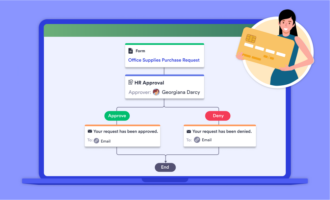
Next, you can create approval steps using your form and add conditional branches and approvers in a drag-and-drop interface to quickly build a workflow with timed updates, notifications, and deadlines. Because Jotform Workflows supports conditional routing, requests can automatically escalate based on spend thresholds or departments.
You can also track the progress of each approval with Jotform Tables or the mobile app without unnecessary delays or meetings. This gives finance and operations teams real-time visibility into approval status, bottlenecks, and ownership.
Make flexible purchasing scalable
Automating the purchase order approval process speeds up your purchasing, giving you and your team more time to fulfill long-term goals.
Blanket purchase orders work best when companies need flexibility without sacrificing cost control or accountability. By setting terms upfront, businesses can respond quickly to changing needs while maintaining predictable pricing.
When paired with automated approval workflows, blanket purchase orders become a scalable, repeatable process instead of an administrative burden. Tools like Jotform Workflows help teams standardize approvals, reduce delays, and maintain visibility across every purchase — from initial request to final authorization.
FAQs about blanket purchase orders
A regular purchase order typically refers to a one-time purchase order that requires approval for each transaction. A blanket purchase order allows repeated purchases under a single, pre-approved agreement, making it better suited for recurring or unpredictable purchasing needs.
An example of a blanket order is a company agreeing to purchase maintenance supplies from the same vendor for one year at a fixed price. The company places orders as needed instead of issuing a new purchase order each time.
A well-structured blanket purchase order typically includes:
- Supplier information and contact details
- The contract period or expiration date
- Agreed pricing or pricing rules
- Estimated spending limits or quantity ranges
- Terms and conditions, including payment and delivery expectations
- Approval requirements and authorized users
Including these elements helps ensure the blanket purchase order remains controlled, compliant, and easy to manage.
This article is for procurement professionals, finance teams, operations managers, and anyone who wants to streamline purchasing processes, manage vendor relationships effectively, and automate approvals using flexible agreements like blanket purchase orders.















Send Comment: