
AI became the driving force behind digital advertising in 2026, with 69.1 percent of marketers using it. Businesses of every size are incorporating AI into their strategies because it offers new ways to personalize campaigns, refine targeting, and manage large volumes of customer interaction.
In marketing, AI fuels recommendations on e-commerce sites, suggests the optimal timing for email outreach, and dynamically adapts ad spending to audience behavior in real time. It has created a marketing environment in which brands can gain deeper insights and take advantage of AI’s generative abilities.
But how exactly do you use AI in marketing? Some inspiration can be helpful when you’re getting started. The following list illustrates how companies are applying AI to their marketing campaigns.
How are brands using AI marketing?
Companies use AI in marketing to personalize customer journeys, predict buying behavior, and manage ads with greater accuracy. AI also supports content generation, chatbots, and real-time adjustments that improve campaign performance.
30 best AI marketing campaigns
Use of AI in advertising has shifted from experimentation to everyday practice. The following list of AI marketing campaigns shows what’s possible when data and creativity intersect.
1. Hettich: Roast the Room


AI used for: Generative AI visuals
How it worked: Hettich created disaster-room images with AI, invited Instagram users to roast them, and then revealed AI-redesigned “after” versions featuring their products.
Results: The campaign was entertaining while showing practical design solutions and reinforcing Hettich’s role in stylish, functional interiors.
2. Unigloves: Derma Shield launch
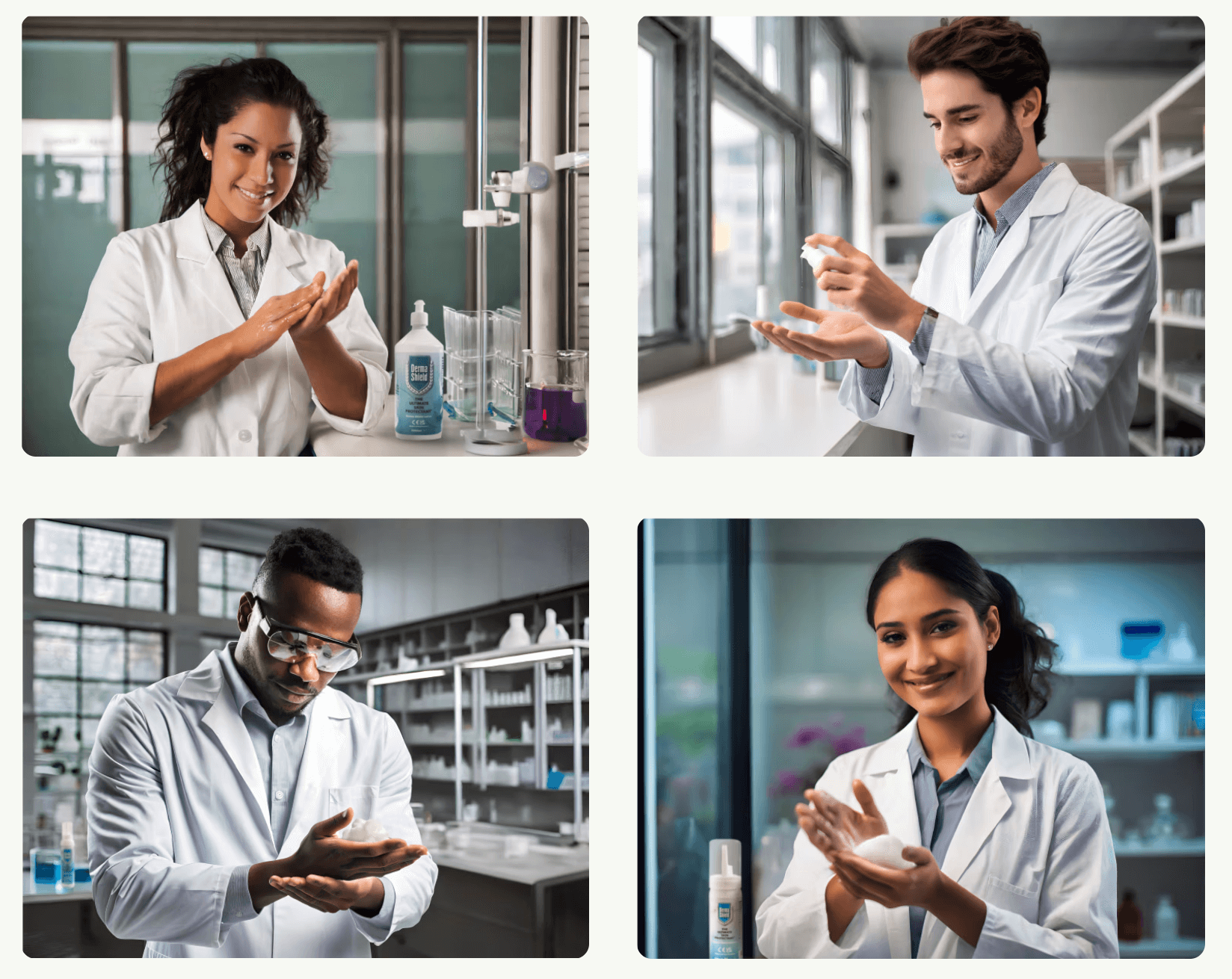
AI used for: Generative design
How it worked: Using Midjourney AI and Adobe Firefly, Unigloves generated 250 lifelike images of its product in use across five professions. With AI, the company didn’t need to conduct multiple photo shoots.
Results: Design time dropped by 57 percent, and the visuals connected with diverse audiences without inflating Unigloves’ budget.
3. Burger King: Million Dollar Whopper Contest
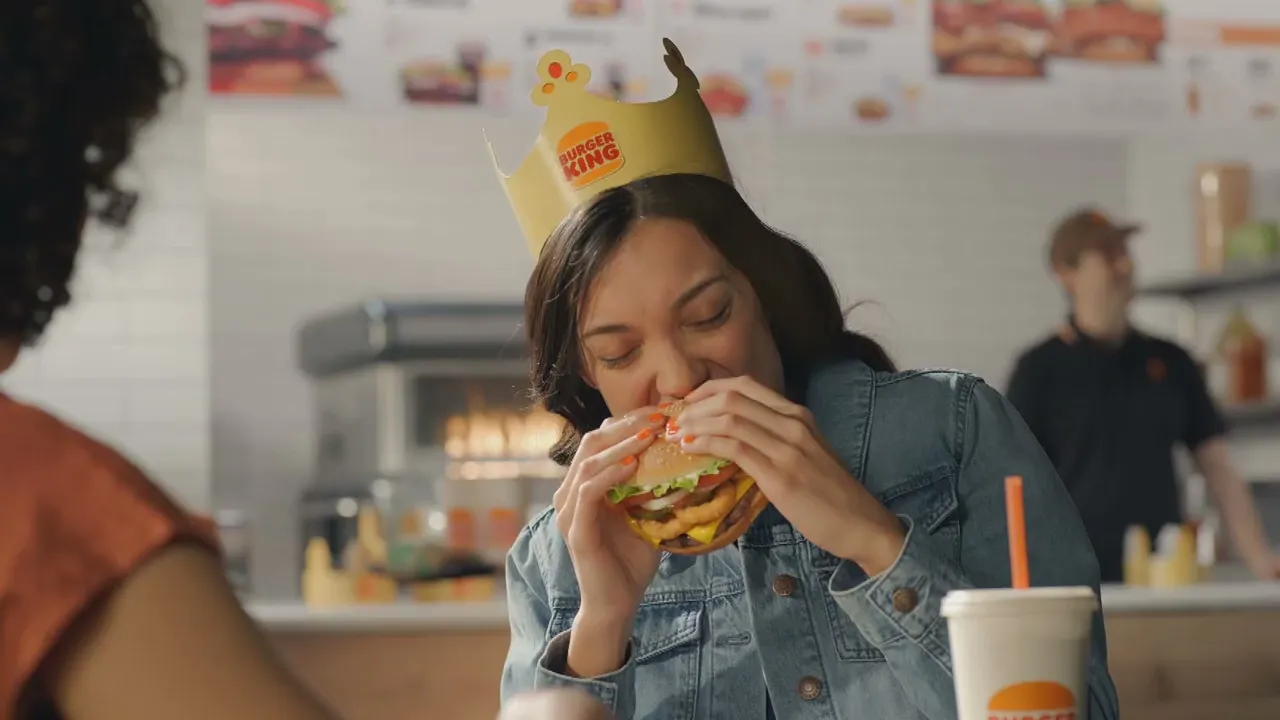

AI used for: Personalization and generative content
How it worked: In one of the best examples of AI in advertising, fans built custom Whoppers online. Then, Burger King used AI to generate unique images and personalized jingles for each entry, which users could share across social media.
Results: Burger King achieved massive customer participation, social buzz, and brand visibility while turning user creativity into interactive marketing.
4. Heinz: AI ketchup
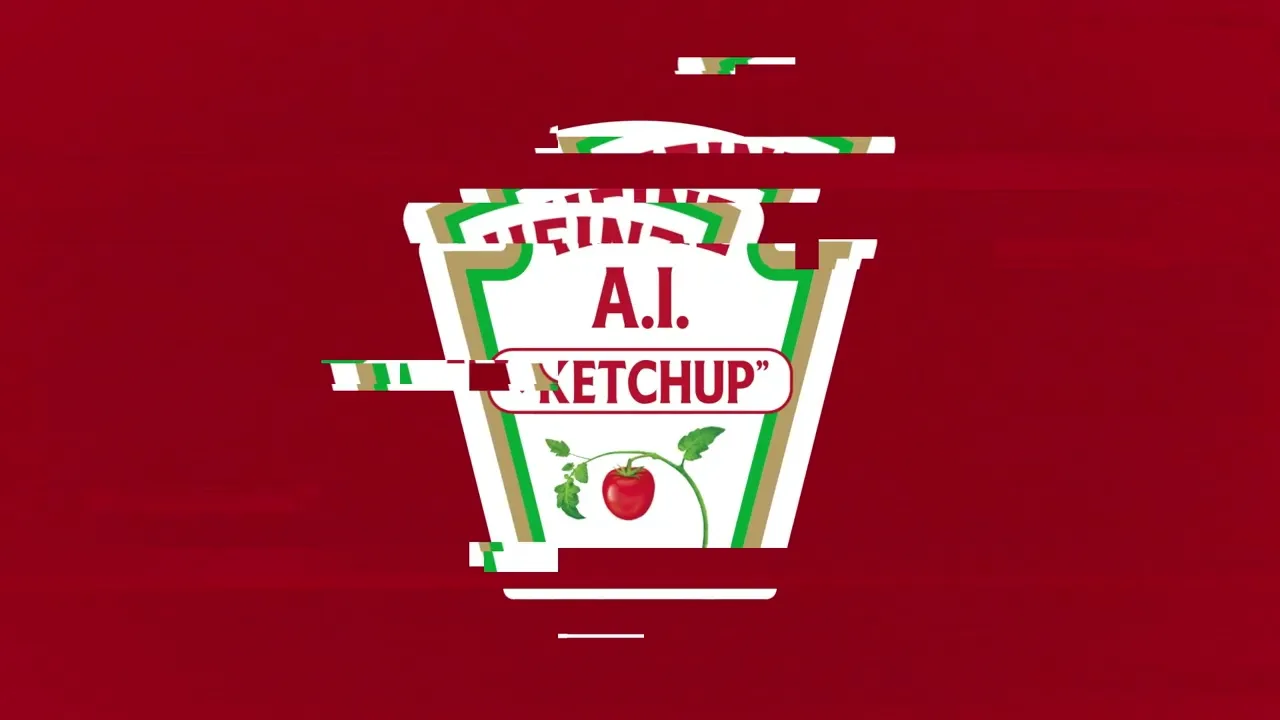

AI used for: Generative imagery
How it worked: Heinz used DALL·E 2 to create imaginative AI ketchup visuals, shown online and in special editions.
Results: The campaign earned over 850 million impressions (higher engagement than past campaigns) and global recognition.
5. Nike: “Never Done Evolving” campaign
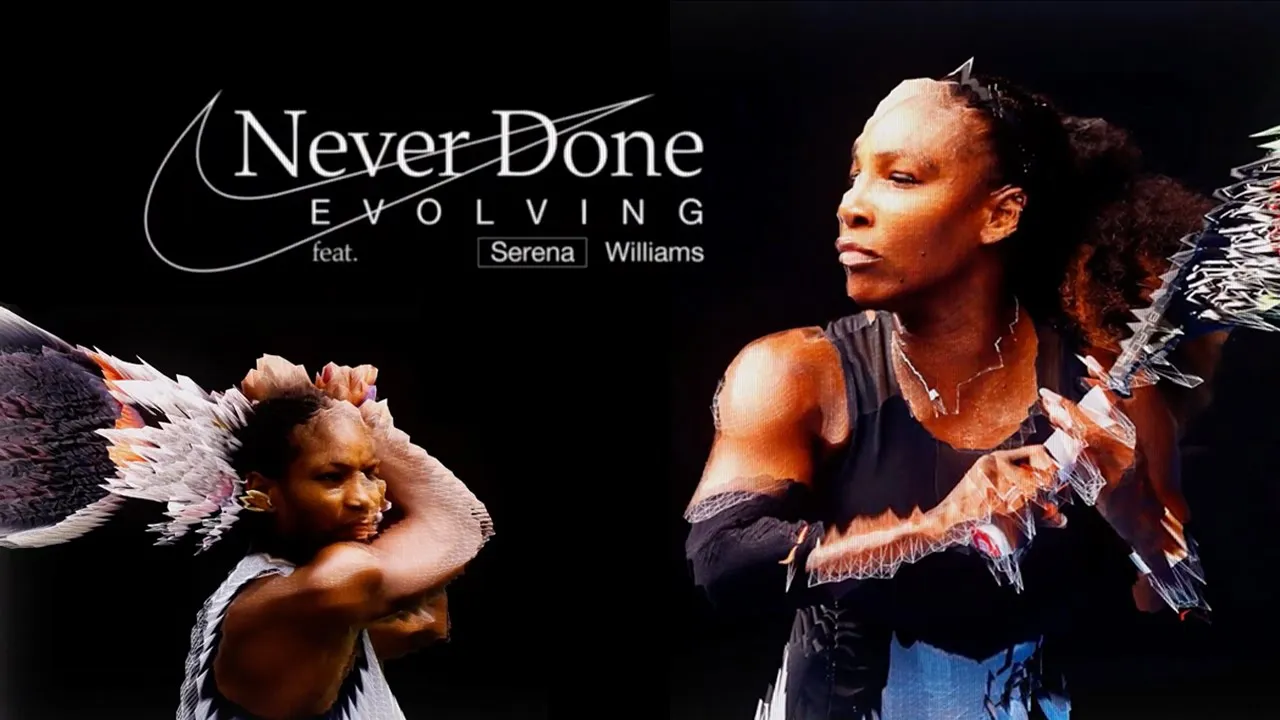

AI used for: Machine learning and simulation
How it worked: Using AI, Nike created a virtual tennis match between 1999 Serena Williams and 2017 Serena Williams by analyzing her gameplay, movement, and agility in matches from both years.
Results: The campaign increased organic engagement and introduced a new way to interpret sports performance.
6. Mongoose Media: Scaling SEO content with Jasper
AI used for: Content generation
How it worked: Using Jasper with Surfer SEO, Mongoose Media produced more than 40 long-form blog posts in six months.
Results: The company’s organic traffic grew by 166 percent in two months, despite Google’s Helpful Content update.
7. SimCorp: Explainer videos 5 times faster
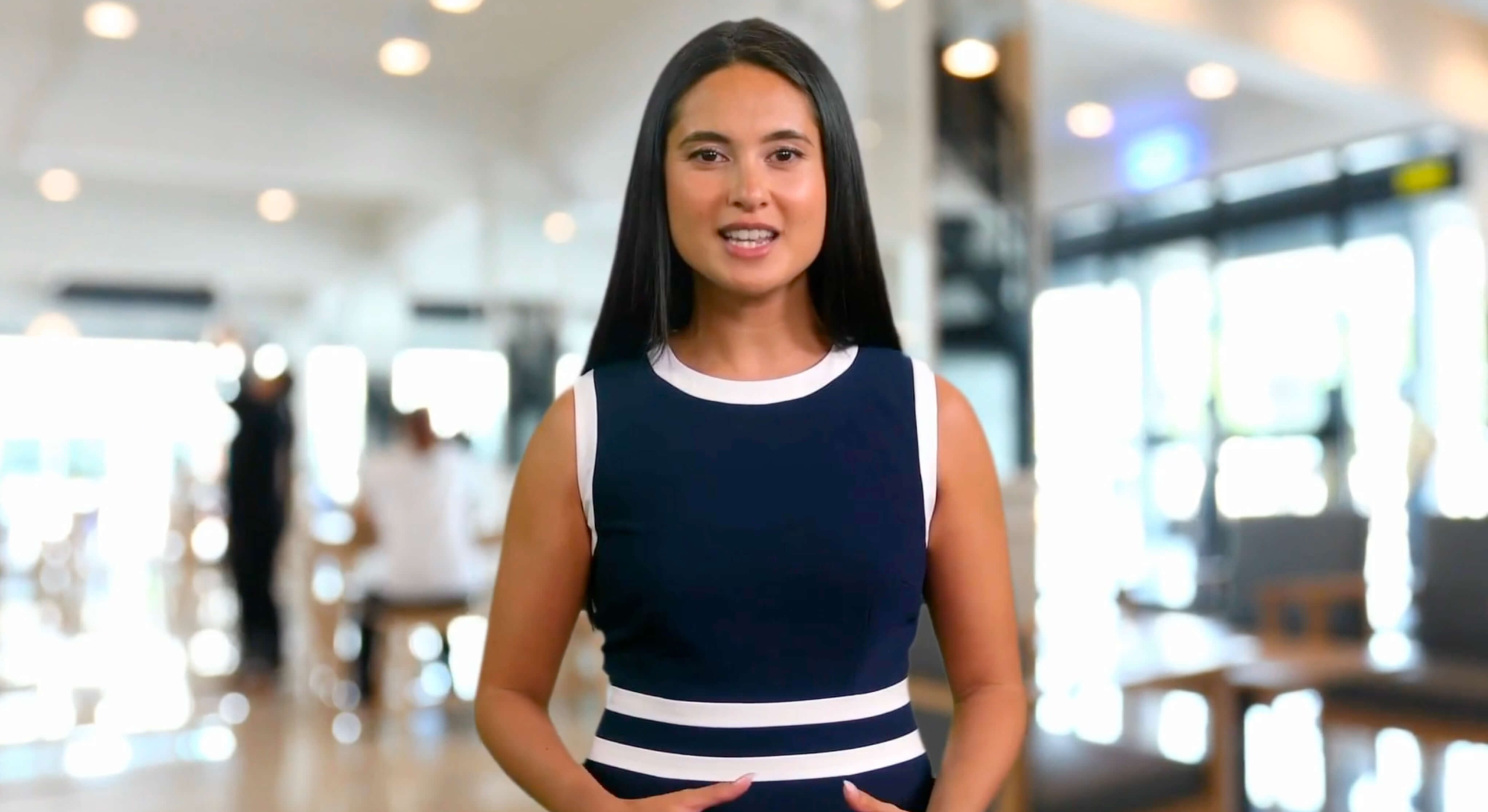
AI used for: Video production
How it worked: SimCorp’s branding team used Synthesia templates to convert scripts and presentations into polished explainer videos, avoiding the use of traditional filming.
Results: Over 300 videos were produced with a five-times-faster turnaround time and high internal adoption.
8. Hostinger: Over 1 million weekly clicks with Surfer
AI used for: SEO optimization and content briefs
How it worked: Hostinger scaled tutorials using Surfer’s Content Editor, AI-generated outlines, and Content Audit to improve new and existing articles.
Results: Blog traffic climbed to over 1 million weekly clicks, and writers achieved consistently top-ranking content performance.
9. Cosabella: AI-powered email marketing
AI used for: Email personalization and automation
How it worked: The company used Emarsys AI-tailored content, offers, and timing that aligned with each shopper’s data.
Results: Email open rates increased by 4 percent, revenue from email rose by 60 percent, and holiday sales jumped 40–60 percent. AI enabled the company to execute a successful campaign without relying on discounts.
10. BMW: Generative AI meets luxury
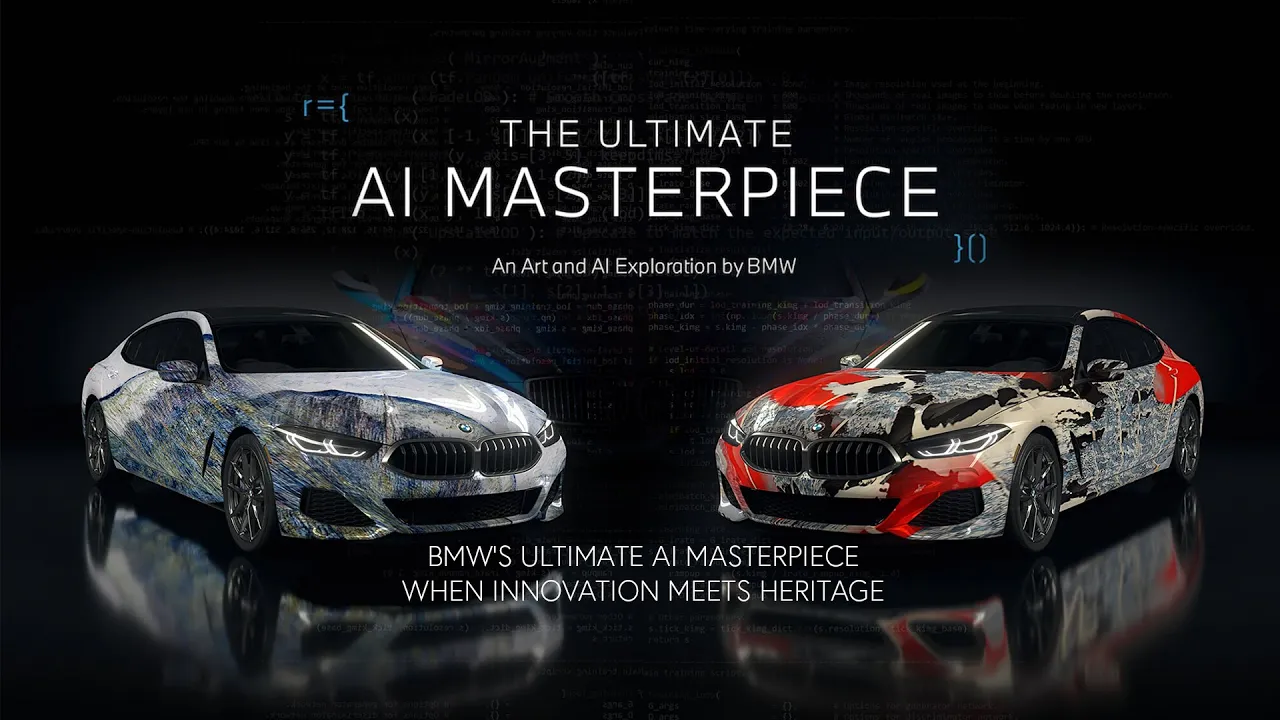

AI used for: Generative AI art installations
How it worked: AI that was trained on centuries of artwork created evolving visuals that were projected onto the 8 Series Gran Coupe.
Results: The campaign featured a striking experience that appealed to design-focused luxury buyers and reinforced BMW’s image as a leader in innovation.
11. The Washington Post: AI content distribution
AI used for: Automated content generation
How it worked: The publication used Heliograf, its own AI tool, to create SEO-friendly articles, newsletters, and alerts, personalizing delivery by geographic location and other audience segments.
Results: The tool produced over 850 articles in year one, boosted click-throughs on alerts by 17 percent, doubled sponsored content views, and improved newsroom efficiency.
12. Malaria No More: David Beckham AI campaign
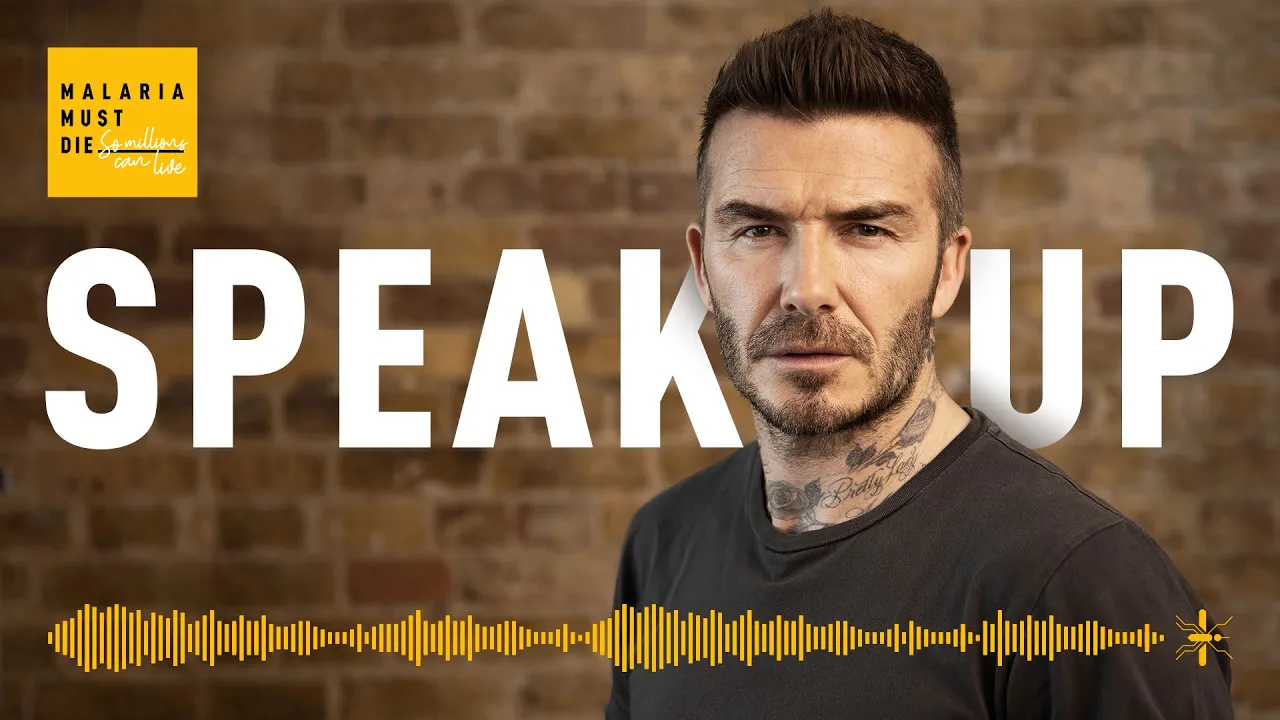

AI used for: AI video synthesis
How it worked: The video platform Synthesia enabled malaria survivors’ voices to speak through David Beckham in nine languages, creating a powerful campaign video for global awareness.
Results: The campaign generated 700 million digital impressions and 420,000 online searches. It also helped raise $4 billion from backers such as the Gates Foundation and gained widespread media recognition.
13. Unilever: U-Studio content intelligence
AI used for: Content intelligence and creative optimization
How it worked: AI tool IBM Watson analyzed past Unilever campaigns to detect trends, optimize visuals, and predict performance.
Results: The use of AI helped cut production costs by 30 percent, halve planning time, and lift engagement by 35 percent in emerging markets.
14. L’Oréal: ModiFace and SkinConsult AI
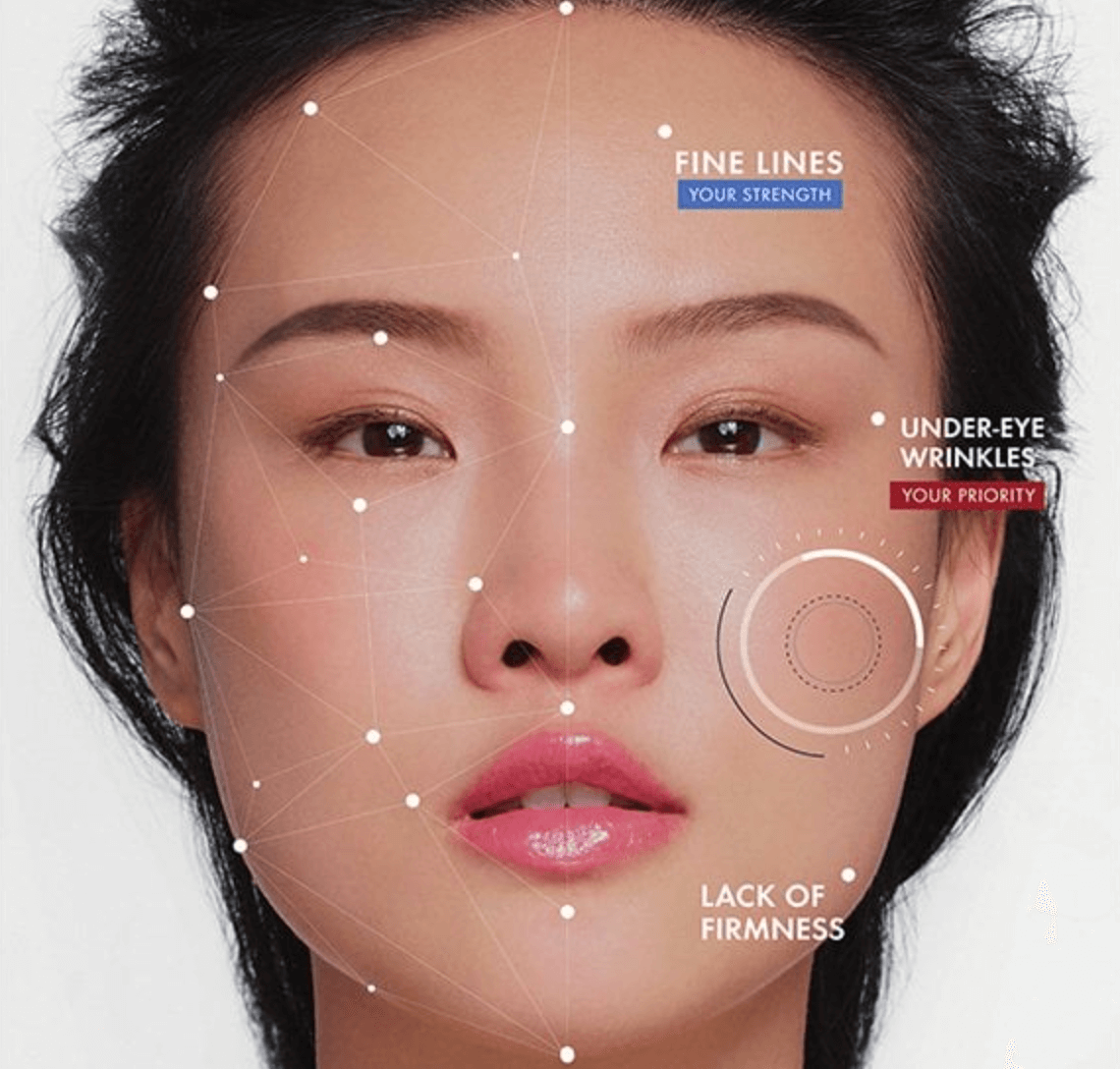
AI used for: Virtual try-on and skin diagnostics
How it worked: L’Oréal customers used selfies for AI skin analysis, and augmented reality helped them try out makeup.
Results: ModiFace was used more than 1 billion times, and SkinConsult AI generated 20 million personalized diagnostics that informed product development.
15. Euroflorist: AI-driven website optimization
AI used for: Website optimization
How it worked: Using Evolv AI, Euroflorist tested thousands of layout and design variations in real time to identify the most effective flower arrangements.
Results: The campaign increased website conversion rates by 4.3 percent and improved customer experience and sales performance.
16. Nutella: 7 million unique jars
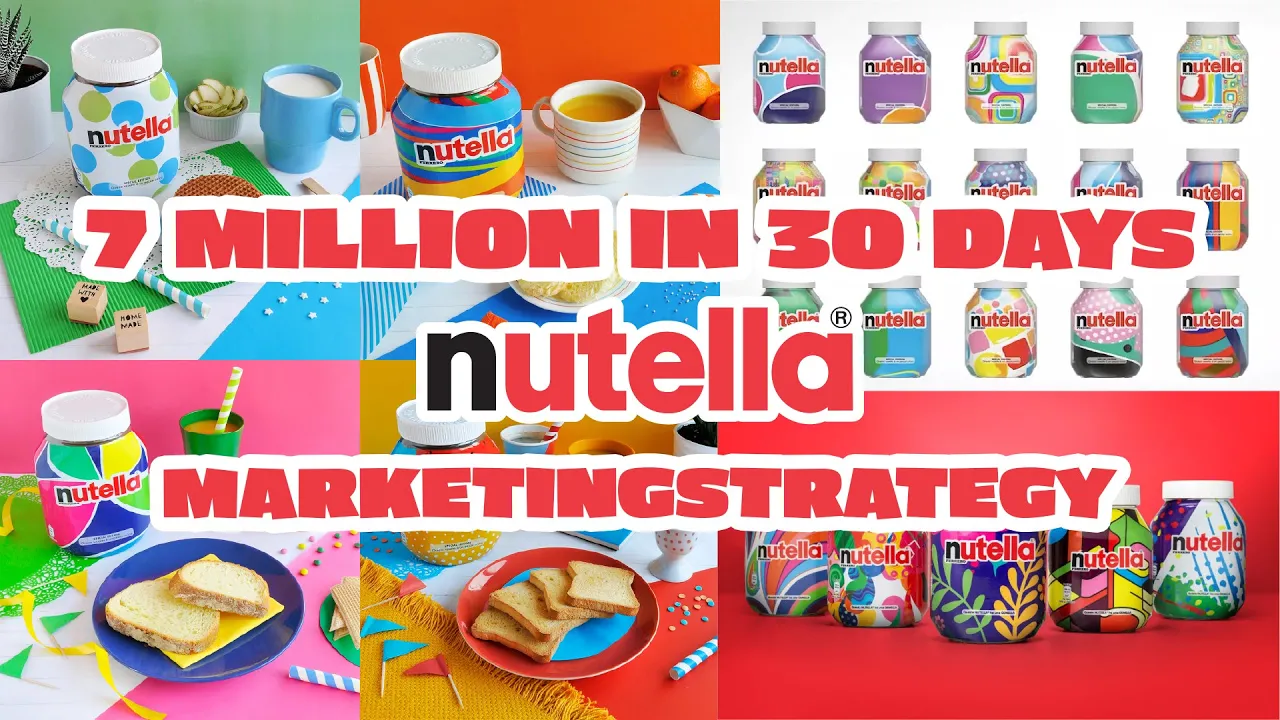
AI used for: Generative design
How it worked: Nutella used an algorithm to generate 7 million unique jar labels, turning every purchase into a one-of-a-kind product.
Results: Fans created over 10,000 social media posts showing the jars.
17. Netflix: AI-driven personalization
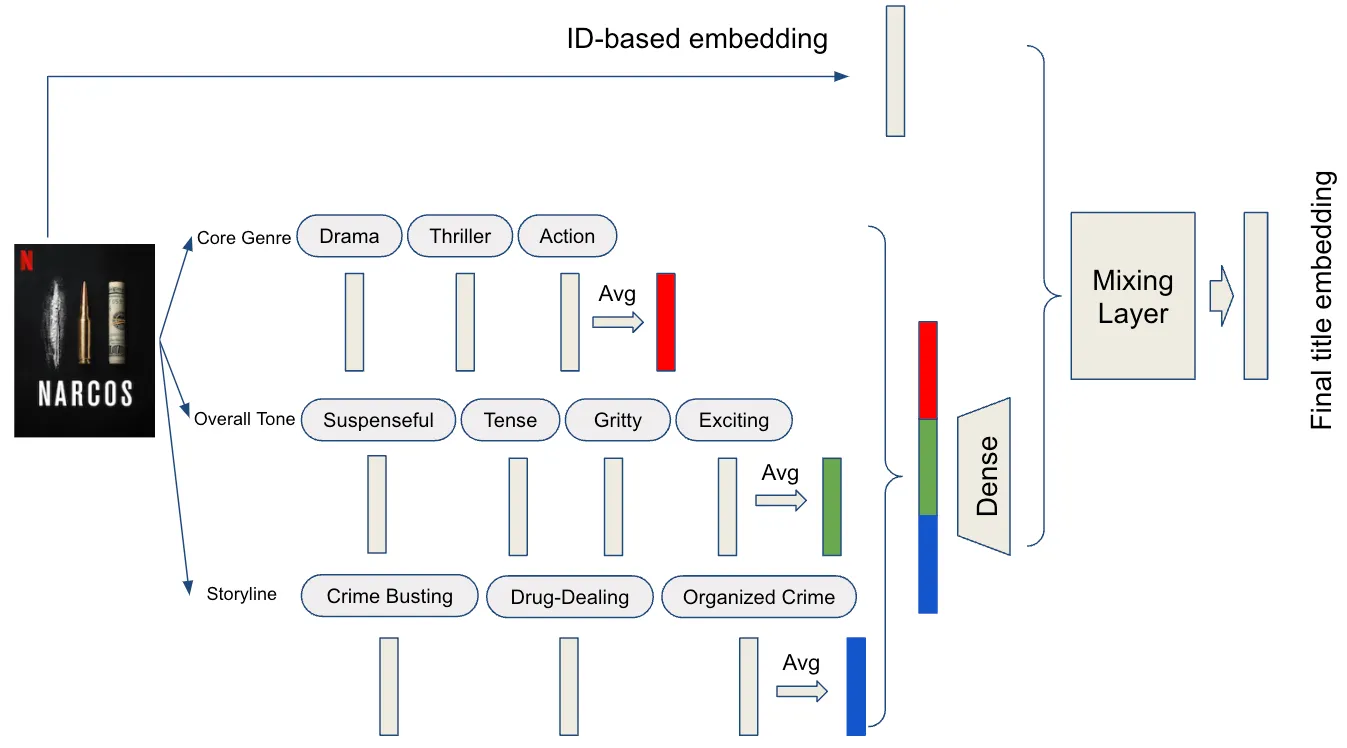
AI used for: Content recommendations and thumbnail optimization
How it worked: AI analyzed user watch history, behavior, and preferences to suggest shows and test visuals.
Results: Personalized recommendations drove 80 percent of content viewed and helped reduce churn rates.
18. Spotify: AI-driven, personalized audio marketing
AI used for: Personalized playlists and dynamic audio ads
How it worked: Spotify used AI for Wrapped, curated playlists, and personalized Ad Studio campaigns, tailoring music and ads to user behavior and moods.
Results: Personalized playlists drove 35 percent of listening time, and targeted ads achieved a 2.7-fold lift in recall, with a higher click-through rate.
19. Farfetch: AI-optimized emails
AI used for: Email personalization and copy generation
How it worked: Jacquard AI tested subject lines, tone, and phrasing while tailoring content to shopper profiles.
Results: Farfetch achieved a 31 percent increase in open rates and a 38 percent rise in click rates while maintaining the brand’s polished voice.
20. Tomorrow Sleep: AI-driven SEO growth
AI used for: Content strategy and SEO optimization
How it worked: MarketMuse AI identified keyword gaps, enhanced page targeting, and guided the creation of new content.
Results: Organic traffic surged from 4,000 to 400,000 monthly visitors in one year, surpassing competitors’ numbers and securing customer testimonials.
21. H&M: AI-generated digital twins
AI used for: Hyperrealistic model replication
How it worked: H&M developed AI-generated “digital twins” of 30 fashion models, complying with likeness and image rights while boosting creative efficiency.
Results: The approach reduced production costs and allowed the brand to scale campaigns.
22. Starbucks: Personalized AI marketing
AI used for: Customer personalization and predictive analytics
How it worked: The Deep Brew AI engine analyzed loyalty program and app data to recommend drinks, promote offers, and predict customer preferences.
Results: Starbucks boosted revenue and optimized inventory by predicting demand more accurately.
23. Ultima.school: WhatsApp ChatGPT bot
AI used for: Lead qualification and customer acquisition optimization
How it worked: Instead of pre-sales managers, Ultima.school used a ChatGPT WhatsApp bot to qualify leads, book meetings, and manage CRM tasks.
Results: The solution cut customer acquisition costs in half while maintaining the same end-to-end conversion rates as human pre-sales managers.
24. Toys “R” Us: AI-generated TV commercial
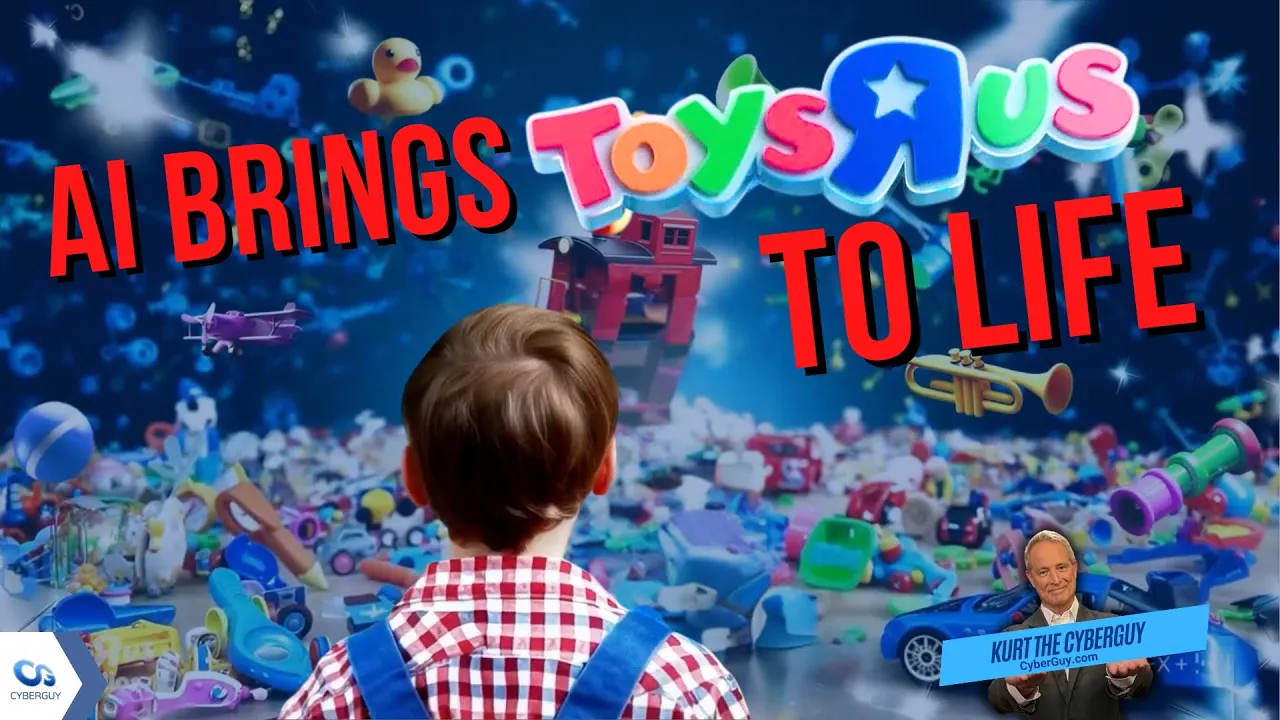

AI used for: Text-to-video content creation
How it worked: Toys “R” Us used OpenAI’s Sora to produce a 66-second film about Geoffrey the Giraffe’s origin story, generated entirely from text prompts.
Results: The ad featured cinematic quality without the use of traditional methods, proving AI can deliver high-value creative projects on leaner budgets.
25. British Council: Over 1,000 localized ads
AI used for: Automated ad localization
How it worked: AI tools helped the British Council generate over 1,000 ad variations across seven languages.
Results: What once took weeks was completed in days, enabling faster scaling and consistent quality across international markets.
26. Coca-Cola: AI-powered content creation
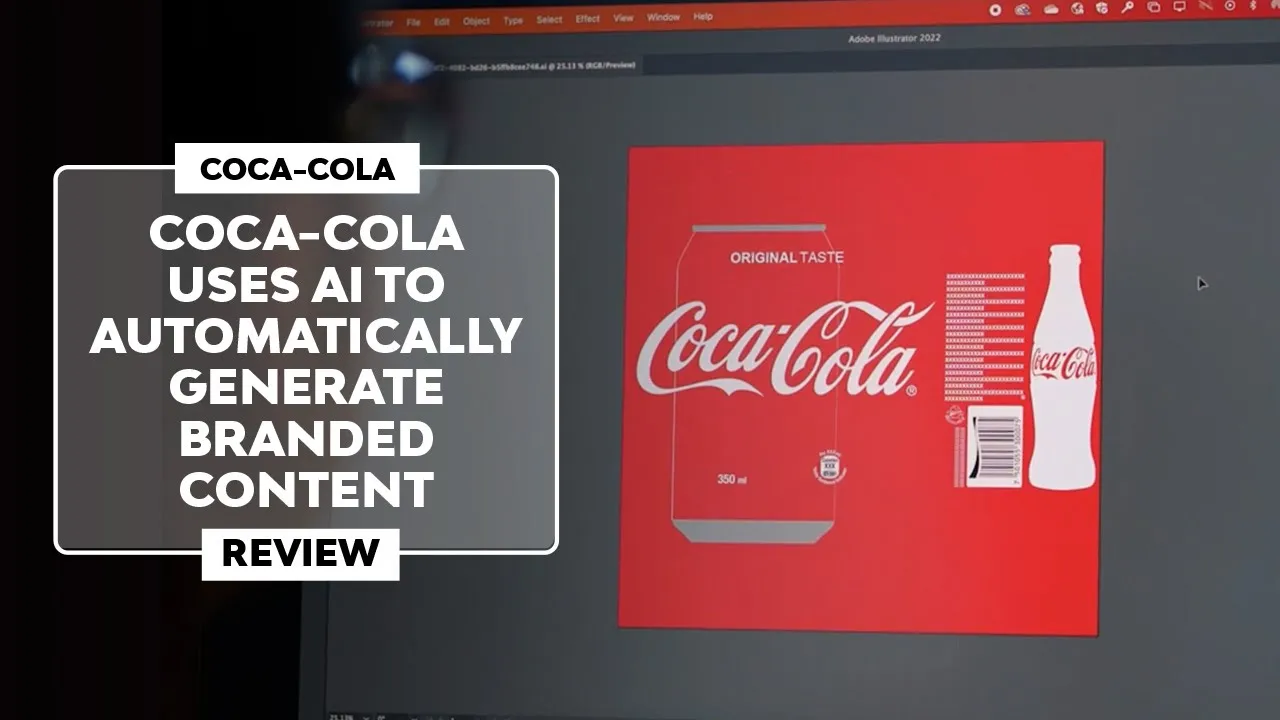

AI used for: Automated content generation and personalization
How it worked: Coca-Cola used AI platforms to analyze consumer behavior and produce tailored ads and social media content designed for specific audience segments.
Results: The campaign increased content output and achieved higher engagement by delivering personalized marketing at scale.
27. Sephora: AI-powered beauty advisor

AI used for: Virtual try-ons and product personalization
How it worked: Sephora’s Virtual Artist combined augmented reality and AI to help customers test makeup virtually, analyze their facial features, and receive tailored product suggestions.
Results: The tool boosted sales conversions and enhanced the customer experience through personalized, immersive shopping journeys.
28. Nissan: Messenger bot automation
AI used for: Lead qualification and chatbot automation
How it worked: Nissan used Chatfuel to automate responses, qualify leads, and send only high-priority leads to human agents.
Results: The campaign delivered a 10-fold increase in organic Facebook sales and boosted qualified leads by 3.5 times in the first month.
29. Global snack brand: AI campaign optimization
AI used for: Autonomous ad optimization
How it worked: The brand used Albert AI to test 11,340 ad variations and identify winning creatives to automatically shift spending toward high-performing assets.
Results: The campaign reduced the cost per lead from $10.75 to less than $3.
30. Lexus: “Driven by Intuition” AI-written ad
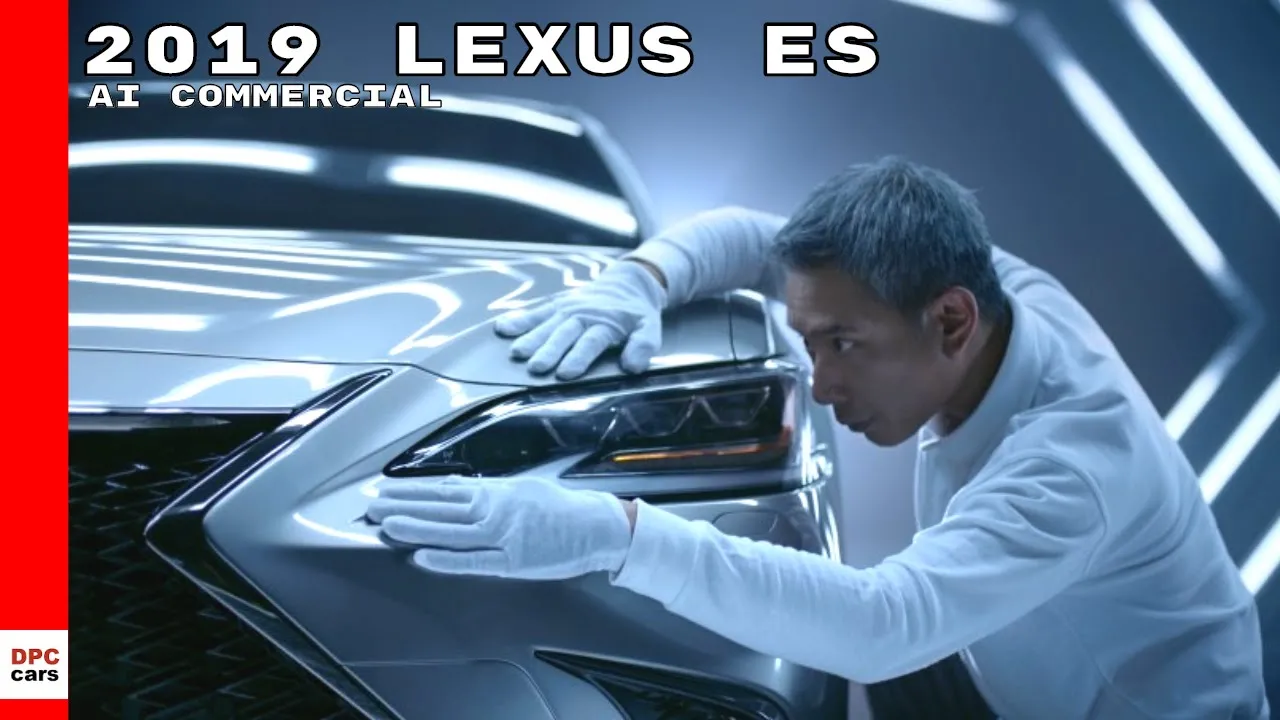

AI used for: Script writing
How it worked: IBM Watson analyzed 15 years of award-winning car ads to generate an AI-scripted Lexus commercial.
Results: The ad increased Lexus’s innovation perception by 13 percent and achieved a 53 percent higher view-through rate compared with past campaigns.
Put AI to use in your marketing campaigns
AI changed the digital marketing game in 2025, with the best AI advertising campaigns proving that data-driven creativity delivers stronger engagement and measurable ROI. Businesses are using AI agents and tools to tell stories at scale, optimize targeting, create generative AI ads, and improve customer journeys.
These innovative AI campaigns show that the future of marketing is smarter and led by technology. Now is the time to explore how AI can elevate your business strategy.
How can you start using AI marketing?
Launch the use of AI in your marketing with simple wins, such as using AI tools to target ads, qualify leads, or create on-brand content. Once you see results, expand to advanced personalization, predictive analytics, and generative AI ads to scale campaigns with precision.
With automation services like Jotform AI Agents, you can streamline lead generation, customer engagement, and campaign performance to keep your marketing strategies futuristic, relevant, and effective.
This article is for marketing teams, digital strategists, and business owners who want to understand how leading brands are using AI to drive measurable results. It’s ideal for professionals looking for inspiration, practical examples, and actionable ways to integrate AI into their own marketing workflows.
































































Send Comment: