
Excellent customer service is an expectation among today’s consumers. People want your business to respond quickly, provide correct information, be helpful, deliver personalized interactions, and solve their problem on the first contact. When businesses fall short, customer loyalty plummets rapidly. Poor service is a leading reason customers abandon brands or leave negative reviews.
The reality is customer service challenges are going to arise. How will you address and mitigate them? Our guide outlines 12 customer service issues your business is bound to encounter. You’ll also learn practical solutions to these challenges, such as using an NPS survey tool to gauge customer satisfaction and better meet your customers’ needs.
Common customer service challenges
The first step to improving customer satisfaction is to know what you are up against. Here are some common challenges you may already be contending with.
1. Lack of timely response
When a customer reaches out for support or service, they want you to answer fast. Whether you call it the Amazon Prime effect or you have another buzzword for this phenomenon, the result is the same. Slow replies don’t line up with what today’s customers want. Research shows that 88 percent of customers expect email responses within one hour. This means you need efficient channels so you can connect with your audience on their terms.
2. Difficulty in handling complaints
Even experienced service teams struggle when dealing with emotionally charged or complex complaints. Mishandled complaints can escalate into negative reviews or public criticism. The goal is to validate a customer’s concerns and work toward a practical resolution.
3. Inconsistent service quality
If customers receive different answers from each person they talk to, they are going to become furious. Their confidence in your brand will erode. Inconsistent service quality is often linked to unclear guidelines or a lack of adequate training. Either way, it spells disaster for your brand.
4. Insufficient training for customer service staff
Without proper onboarding and ongoing training, staff may feel unprepared to handle challenging situations. The last thing you want is for your team members to be on the receiving end of a customer’s tirade and be at a loss for what to do. They need the skills and confidence to diffuse those situations.
5. Managing customer expectations
Customers today expect 24-7 service and instant replies. Admittedly, the modern customer’s expectations can be a bit unrealistic — that’s why you have to proactively manage them. Sometimes, that means elevating the quality of service you provide. In other instances, that means tempering customer expectations so they are more realistic.
6. Limited resources or budget constraints
If you are working with a small team or have a limited budget for the latest tech, it can be difficult to deliver consistently excellent service. That can become especially challenging as customer volume grows.
7. High volume of customer inquiries
Like most businesses, your company faces seasonal peaks or spikes in customer inquiries when running promos. Those can be good for business, but your customer service team has to follow through. If you don’t have the resources or staff in place, the initial excitement about your product launch or seasonal offerings will quickly turn to frustration. Research from SQM Group shows customers abandon calls after an average wait of just two minutes and 36 seconds, underscoring the critical need for adequate staffing during busy periods.
8. Lack of customer feedback channels
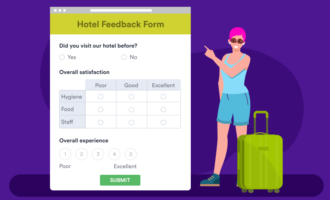
Do you have channels to gauge customer satisfaction? If not, you are missing opportunities to improve your offerings and close gaps in your service model. The key is soliciting feedback in a way that’s convenient and user-friendly for customers. If you ask too many questions, customers aren’t going to complete your feedback forms.
9. Technology gaps or outdated tools
Older software or disconnected platforms can slow down operations. Setups that rely heavily on manual input from your team increase the likelihood of errors. While you can’t remove people from the equation altogether, you should automate where possible to avoid errors.
10. Poor cross-department communication
Customer service teams rely on sales, product, billing, and operations for information. If these departments aren’t sharing information, everyone is working with only a small piece of the puzzle. That’s bad for business and even worse for your customers.
11. Inability to personalize experiences
Customers want interactions tailored to their history, preferences, and behavior. Without the right CRM tools or data, personalization becomes difficult. As a result, interactions will feel generic for consumers, leading to less engagement and reduced loyalty.
12. Multichannel support shortcomings
Customers interact through email, phone, chat, social media, and even SMS. Managing these channels without a unified workflow leads to lost messages or inconsistent responses.
Strategies to overcome these challenges
Each challenge listed above can be solved in a way that transforms your customer service operations. The key is adopting scalable tools, developing efficient processes, and empowering staff through training and technology.
The solutions for customer service challenges include the following:
1. Use customer support software to slash response times
A robust support platform consolidates customer inquiries into one dashboard. Your team will have access to all the information they need in a customized display, allowing them to respond faster and prioritize urgent messages. When looking for customer support software, prioritize features such as
- Automated replies
- Ticket routing
- Knowledge base integration
Chatbots are invaluable to your team as well. They deliver instant support to consumers, even outside business hours. Advanced chatbots resolve basic problems without your team getting involved at all. When someone needs to step in, the bot will have already gathered preliminary information.
2. Implement clear processes for handling complaints
Establishing complaint-handling procedures ensures consistency and reduces stress for agents. Scripts, escalation rules, and de-escalation training help your team members learn how to manage frustrated customers.
Encourage your staff to validate customer complaints. When they show empathy and offer practical, realistic solutions, they keep issues from escalating. Research from Khoros shows 83 percent of customers feel more loyal to brands that respond to and resolve their complaints, showing how handling customer complaints effectively strengthens customer retention. Your service agents should communicate clear timelines for resolution and be honest about escalations. Giving angry customers the runaround makes the problem worse.
3. Standardize customer service procedures
To eliminate inconsistent responses, you should create standardized policies and internal FAQs. A centralized knowledge base helps ensure every team member delivers accurate, uniform information.
No matter whom a customer gets routed to, that team member will use the same playbook. Getting rid of inconsistencies has long-term benefits for your company’s reputation among current and prospective customers.
When creating your standardized procedures, get team members from multiple departments involved. Each customer-facing team has unique insights to provide — for example, your technical support team can provide suggestions for determining when to escalate a tech-related complaint.
4. Develop comprehensive training programs
Training must be ongoing. There are so many options for sharpening your team’s skills over time, such as
- Workshops
- Soft skills coaching
- Product updates
- Town hall meetings
- Self-paced digital training
- Practice calls
Role-play exercises are another excellent tool for building your customer service team’s skill set. You should also roll out training every time you adopt new technology. If your employees are confident in their ability to use the tech, they will experience less change resistance.
5. Set clear and realistic customer expectations
Transparent communication minimizes the risk of misunderstandings. When your customer service reps communicate with customers, they should
- Outline response times and resolution options
- Provide accurate information about products or services
- Publish policies on refunds, cancellations, or delays
Setting realistic expectations up front leads to happier customers and fewer complaints. On the other hand, overpromising and underdelivering erodes customer trust. It may even cost you customers altogether.
Your employees should always be honest about what they can and cannot do. If they are able to go above and beyond to solve a customer’s problem, that person will become even more appreciative and loyal.
6. Prioritize based on customer needs
If budget constraints or staffing shortages interfere with your ability to deliver high-quality service, prioritize your most impactful customer service initiatives. A few examples include
- Automating routine tasks
- Adding self-service options
- Hiring part-time or seasonal support
- Streamlining high-volume workflows
Not sure where to begin? A satisfaction survey sheds light on what customers need to feel satisfied with your service. Identify common points of friction that may be diminishing the customer service experience, and pinpoint changes that will deliver a strong ROI.
7. Handle high inquiry volumes with automation and AI
Customer service automation can significantly reduce the burden on your service agents. These tools can
- Triage and route tickets
- Answer FAQs
- Recommend articles or how-to resources
- Escalate complex cases to the right department
Jotform forms can also reduce the workload on your team by automating data collection for
- Contact forms
- Support tickets
- Customer onboarding
- Refund requests
- Inquiries about products or services
The more you automate, the more time your team has to focus on higher-level issues. That’s the beauty of automation. You can do more with less without compromising the customer service experience. When done right, automation elevates customer experiences while boosting morale among your team.
8. Implement customer feedback tools
Customer service survey questions help you uncover and address Cx problems. Jotform offers an easy way to collect insights at scale, including
- Customer feedback forms
- Complaint forms
- Satisfaction surveys
- Net Promoter Score (NPS) surveys
Your business can easily create forms using Jotform’s drag-and-drop builders. You can gather responses from any device.
9. Upgrade outdated tools and integrate your systems
If siloed data and antiquated technologies are holding you back, the logical solution is to upgrade and integrate. Your teams work hard to gather valuable information from consumers. Integrating your technology makes that data accessible. Here are some tools you should focus on connecting:
- CRM systems
- Support ticket platform
- AI assistant
- Knowledge bases
- Automated follow-up systems
When all of these tools are communicating and sharing information, it drastically cuts down on duplicate work and reduces the risk of errors. Additionally, your agents will always be working with the latest customer information.
10. Improve cross-department communication
Effective customer service requires alignment across teams. You can achieve this by
- Hosting weekly meetings between departments
- Sharing customer insights with other teams
- Creating internal communication channels for faster collaboration
- Documenting recurring issues to inform product or operational improvements
Kick things off by hosting a meeting between C-suite leadership and the heads of each customer-facing department.
11. Personalize experiences using customer data
Once you’ve got the right software, you can begin building personalized journeys for your audience. A fully integrated ecosystem provides information about purchase history, previous interactions, and past support issues. Your team can recommend relevant products and anticipate needs, making consumers feel heard.
12. Offer multichannel support through unified platforms
Centralize all communication channels into one system to prevent lost or delayed messages. Unified platforms let agents track conversations across all channels, including
- Live chat
- Phone
- Social media
- SMS
- Support portals
The result is improved efficiency and a better overall customer experience.
How Jotform enhances customer service management
Jotform plays a powerful role in overcoming customer experience problems. With its no-code builder, you can
- Collect feedback instantly
- Create satisfaction surveys
- Track complaints
- Build forms accessible from any device
These tools help you unlock actionable insights that improve response times and streamline your customer service operations end to end.
Customer service challenges are inevitable, but they are solvable
Customer experience problems are a given, but they’re solvable with the right strategies. By knowing what you’re up against and implementing the structured solutions outlined above, you can improve the customer journey and boost operational efficiency in the process.
The companies that excel at overcoming service challenges do so by taking a multifaceted approach rooted in diligence. They never settle for “good enough” but instead strive for continuous improvement. If you’ve noticed some of these challenges within your organization, start addressing them today to build a stronger and more resilient business model.
The key to success is adopting the right tools, such as Jotform. With Jotform, you can gather information more efficiently and unlock the insights you need to deliver for your customers. Explore customer forms from Jotform.
This guide is for CX leaders, support managers, and founders who need quick, practical playbooks to fix slow replies, inconsistent answers, training gaps, and fragmented channels by standardizing processes, automating triage, integrating data, and unifying support to lift CSAT and reduce churn.






















































Send Comment: