
4 key capabilities of medical AI chatbots
The present and future of healthcare are being reshaped by a powerful new ally: the medical AI chatbot. In fact, funding into AI-focused digital health companies made up 42 percent of total funding for the year in 2024.
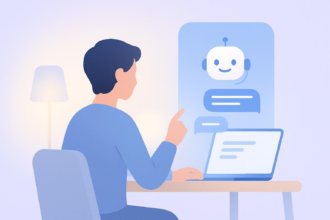
Medical AI chatbots are intelligent systems using advanced technologies like natural language processing (NLP) and machine learning (ML) to interact with patients. Their data-driven algorithms further allow them to support healthcare teams and streamline the care journey.
These chatbots are designed to understand complex medical inquiries and assist with symptom assessment. They can then help route patients toward the appropriate next steps. Plus, they can analyze large volumes of medical data to offer personalized guidance for individual patients.
Due to their capabilities, medical AI chatbots have become integral components of healthcare automation and telemedicine. Besides improving efficiency, they also support smarter decision-making. Let’s take a deeper look at their vital role in AI medical solutions.
How medical AI chatbots work
A healthcare chatbot works like any other chatbot you may have encountered, such as ChatGPT. It employs a sophisticated system of machine learning, NLP, and data-driven inference to power every interaction.
NLP forms the crux of an AI-powered diagnostic chatbot. It’s the technology that allows the machine to interpret human language, not just word by word, but with full context. When a patient types a message, the chatbot analyzes the words and the intent behind them.
Suppose a user says, “I have chest pain and shortness of breath.” The medical AI chatbot will recognize this as more than two separate symptoms. NLP algorithms identify patterns and link them to potential medical conditions to generate the chatbot’s outputs. For example, it may suggest calling an ambulance in case of a possible heart attack or recommend scheduling a doctor’s appointment for further evaluation.
Medical AI chatbots learn information from the extensive knowledge bases on which they’re trained. These repositories consist of medical literature, research papers, condition databases, clinical guidelines, and real patient data. Chatbots can also use these knowledge stores to cross-reference symptoms and suggest preliminary next steps.
For example, if someone reports persistent headaches and visual disturbances, the chatbot might recommend seeking professional evaluation rather than offer a direct diagnosis. In doing so, it stays within its role to support or complement medical professionals and not replace them.
Beyond matching symptoms to possible causes, inference models enable chatbots to make deeper connections. These models weigh variables like symptom duration, previous interactions, risk factors, severity, and more.
Inference is a chatbot’s ability to draw conclusions from available information. The stronger the inference, the more dynamic the conversation.
A healthcare chatbot with strong inference capabilities would not merely rely on a rigid question-and-answer script. Instead, it would ask follow-up questions to get more context and refine its suggestions.
Privacy and security considerations of AI medical solutions
In a 2024 survey, nearly 50 percent of adults reported data privacy and security concerns as their top qualm about using AI in health, and rightfully so. Health information is highly sensitive and confidential. Its protection also falls under Health Insurance Portability and Accountability Act (HIPAA) regulations.
It’s imperative for medical AI chatbots to include HIPAA-compliance features like data encryption and controlled access to maintain data privacy. Privacy-preserving architectures should also be in place to make sure no sensitive data is exposed or misused for any reason.
Medical AI chatbots must also undergo rigorous testing and validation procedures before being integrated into healthcare systems. It’s alarming enough that cyber incidents increased by 45 percent in 2024 due to higher digitization in healthcare, a trend also seen in The HIPAA Journal’s year-over-year healthcare data breach volume graph. Throw in AI, and healthcare systems are even more exposed. Without proper compliance with HIPAA and data privacy regulations, these AI medical solutions can do more harm than good.
Key capabilities and real-world applications
The capabilities of medical AI chatbots aren’t just limited to scripted interactions. These chatbots are also dynamic assistants that work to improve operational workflows and help patients navigate their health journeys. In the section that follows, we’ll explore some of the mostimpactful real-world use cases of medical AI chatbots.
Symptom assessment
Medical chatbots can engage patients in conversational symptom checks. After guiding the patient through structured questions to gather details about their condition, the chatbot interprets those responses using NLP and clinical data models to suggest the next steps, such as scheduling a consultation.
In Software Advice’s 2023 Medical Chatbot Survey, 77 percent of doctors reported feeling confident in a chatbot’s ability to assess patient symptoms accurately. The same percentage also predicted that chatbots would be able to treat patients safely within the next decade.
Appointment scheduling
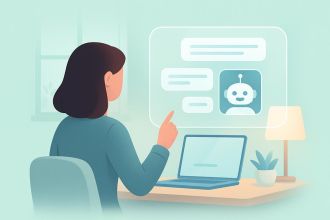
Chatbots can also integrate with clinic calendars and appointment scheduling platforms. Patients can use a telemedicine chatbot to book, reschedule, or cancel appointments through a simple chat interface without having to call or wait on hold.
Research shows that automated patient self-scheduling has several benefits for healthcare organizations: labor savings, cost reduction, patient satisfaction, physician punctuality, information transparency, and more. Even better, 69 percent of respondents in a US-based survey said they are comfortable using AI for scheduling healthcare appointments.
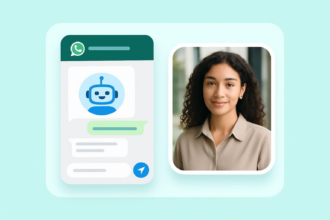
Such systems have already been implemented across the globe. For example, the International Medical Center (IMC), a specialty hospital in Jeddah, Saudi Arabia, partnered with Tars to create a medical AI chatbot that helps patients manage appointments and access their protected health information (PHI). The WhatsApp-enabled chatbot has streamlined appointment booking and interactions for the hospital’s over one million patients.
Medication reminders and management
Medical adherence is extremely important for people managing chronic conditions. Chatbots can send patients personalized reminders to take medications and prompt them to report side effects. They can even notify care teams if adherence patterns suggest a need for follow-up. A 2023 study tested an AI chatbot on questions related to medication use. It found around 85 percent of the chatbot’s responses were considered clinically accurate while 68 percent were found to be useful.
Mental health support
Many AI chatbots now offer mental health check-ins, mood tracking, and coping strategies based on cognitive-behavioral techniques. While they do not replace therapy, these tools can serve as accessible, stigma-free support systems.
Two chatbots, Wysa and Woebot, have been reported to improve depression symptoms in users and build therapeutic alliances that can be compared to those built by human therapists. Another randomized controlled trial found that young adults with subclinical anxiety and depression who used the Fido chatbot for therapy had lower loneliness levels compared to a control group.
AI chatbots and healthcare teams: A collaborative approach
A healthcare chatbot is meant to act as a virtual medical assistant — not a replacement for doctors or other healthcare providers. The bot’s strength lies in enhancing the efficiency of care delivery while leaving critical decision-making in the hands of trained professionals.
AI chatbots assist doctors, nurses, and administrative staff by handling many of the routine, time-consuming tasks that can otherwise slow down workflows. For example, they can gather preliminary symptom information before a patient even steps into a clinic. They can also update medical histories and send appointment reminders to patients.
When it comes to actual decision-making, however, medical chatbots should operate under human oversight. A study published by PLOS One found that automated symptom checkers are accurate in only about 37.7 percent of cases. So, physicians have to review chatbot outputs before making any clinical decisions.
Both humans and machines bring their strengths to the table in this scenario. AI offers speed and scalability, while human medical professionals provide clinical judgment. As a result, chatbots can act as catalysts for improved patient support, diagnosis, and treatment, as revealed by another recent study.
A good example of this collaboration comes from Korea’s handling of the COVID-19 pandemic. The country used information and communication technology (ICT) to complement human efforts. ICT-enabled tools like automated counseling systems helped with patient management, while chatbots facilitated prevention by providing accurate information. With technology handling these tasks, healthcare professionals had more time and mental energy to focus on complex cases.
Jotform AI Agents: Enhancing medical chatbot solutions
Modern healthcare organizations face a growing need to automate patient interactions without sacrificing compliance. Jotform AI Agents offer an effective solution by streamlining administrative tasks that can often overwhelm medical staff.
These agents act as intelligent assistants to help healthcare teams manage processes like patient intake and appointment scheduling. Since they are easy to customize, the AI-powered tools can schedule appointments through chatbots or web forms.
Jotform’s Healthcare & Wellness AI Agents also offer real-time chat assistance for patients seeking immediate answers. They further automate form processing to simplify paperwork and administrative approvals. And since Jotform supports multiple calendar integrations, the forms automatically feed physician schedules with appointment requests.
The result is a well-integrated ecosystem where patients and physicians are all on the same page. Jotform agents also reduce manual labor and improve clinical efficiency.
What’s next for medical AI chatbots?
In 2024, nearly 26 percent of clinicians reported using AI for work-related purposes. That number is only expected to increase in the future.
Several emerging trends are predicted to shape the future of medical AI chatbots:
- Experts believe that AI-powered diagnostics will get better. As shared previously, the majority of doctors think AI medical solutions will one day be able to treat patients safely. Some platforms are already capable of suggesting potential diagnoses based on symptom inputs, helping physicians prioritize care faster.
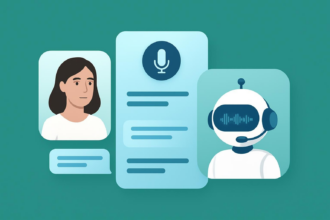
- Voice-enabled medical assistants are also becoming commonplace. They will make it easier for patients to access healthcare guidance through natural conversations rather than typed queries.
- Predictive patient monitoring is another major focus. Chatbots can analyze real-time health data to flag early warning signs before they become severe issues. Research reveals that predictive AI analytics could help medical chatbots anticipate responses to therapy and assess patient prognosis.
- Similarly, another study found that AI-enabled telehealth monitoring could offer a better approach (compared with manual tracking) to predicting a patient’s vital signs. In simple words, a telemedicine chatbot could help monitor a patient’s vitals and notify healthcare professionals in case of any abnormalities.
However, despite their many benefits, medical AI chatbots also elicit a number of concerns. Ethical AI use remains a top issue, particularly when it comes to patient privacy and informed consent. Then, there’s the potential for bias in automated decision-making, which could result in healthcare disparities and unequal treatment for certain demographics.
Another hurdle is building patient and physician trust in chatbot-generated recommendations. Regulatory scrutiny is tightening as well, with healthcare authorities demanding stronger proof of safety, transparency, and fairness from AI-driven tools.
Looking ahead, neither the use of ChatGPT for healthcare nor the reliance on an app for diagnostics will replace human care. Instead, healthcare providers and AI are likely to become partners in patient care. As technology improves, the most successful implementations will be the ones that blend innovation with caution, offering intelligent support without losing the human insight that defines quality healthcare.
This article is intended for healthcare professionals, clinical administrators, and digital health decision-makers who want to understand how AI chatbots can enhance patient care, improve operational efficiency, and support clinical decision-making.















































Send Comment: