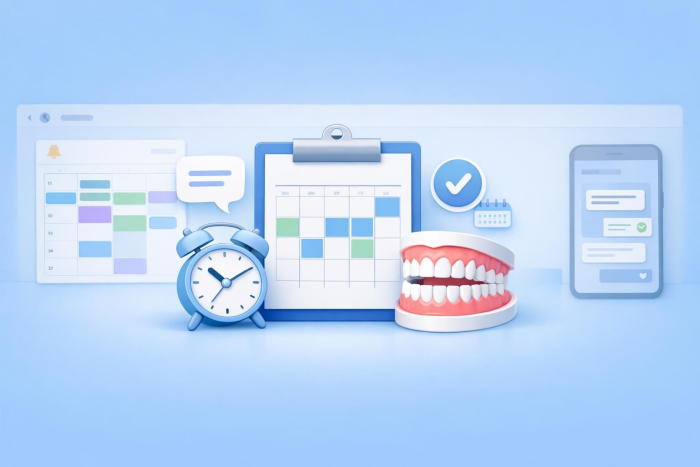
Most dental practices have a marketing calendar. Few have a communication calendar. That gap can lead to no-shows, missed recall appointments, and lost opportunities to collect reviews.
A no-show isn’t usually a patient who doesn’t care about their dental health. It’s a patient who got one reminder three weeks ago and then got distracted by everyday life. By the time the appointment rolls around, it’s no longer top of mind. Whether the patient forgets or chooses not to come in, the result is the same: an empty chair and lost revenue.
The solution isn’t more communication. It’s the right communication, at the right moment. Better yet, communication that is automated, so messages go out consistently instead of relying on staff availability.
Before the appointment
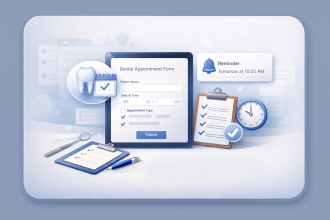
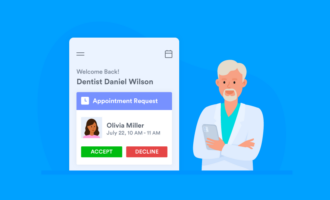
A confirmation right after booking, a reminder a few days before an appointment, and a final nudge 24 hours beforehand cover the basics. But most practices overlook an important detail: letting patients confirm, reschedule, or cancel directly from that reminder.
If canceling requires a phone call during business hours, some patients may just not show up. Make it easy for them to take action, and you’re more likely to keep your schedule accurate and up to date.
Right after the appointment
Post-appointment communication is a huge opportunity that most practices miss. For procedures beyond a routine cleaning, a short post-op check-in shows patients you’re paying attention to their recovery, not just their billing.
Requests for reviews are another valuable touchpoint. Requests sent while the experience is still fresh tend to perform better than those sent days later, when the details of the appointment are less memorable.
Email is the easiest piece of this process to automate, but it needs to be set up correctly to actually be useful. A generic appointment reminder email is easy to ignore. What works better is an automated sequence tied to the booking date: an immediate confirmation email, a reminder a few days out with the date, time, and provider clearly visible, and a final email the day before with an option to confirm or reschedule.
Once this sequence is set up, it can run for every patient without anyone on staff having to track who has received reminders.

Between appointments
Recall messages are most effective when they focus on the value of care rather than framing appointments as chores. Instead of simply telling patients they are due for a cleaning, explain why continued preventive care matters.
Recall messages tied to insurance benefit deadlines, especially during the fourth quarter, when many benefits reset, often outperform generic reminders.
When cancellations happen anyway
No-shows will still happen. That’s just part of running a dental practice. What matters is how you respond.
A same-day waitlist can help fill unexpected openings. Patients who’ve indicated flexible availability might be willing to take the appointment slot, helping you recover otherwise lost revenue.
For patients who don’t show up or cancel at the last minute, send a brief follow-up that focuses on helping them rebook rather than assigning blame.
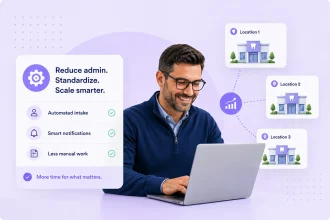
None of this requires a bigger front-desk team. It requires forms and workflows that automatically send the right message at the right time.
Jotform makes this easy to build: HIPAA-enabled forms for booking and post-op check-ins, automated workflows for reminders and recall campaigns, and review-request workflows that are triggered the moment an appointment is booked.
The practices with the fullest schedules aren’t the ones working hardest to fill them. They’re the ones with systems that consistently keep patients engaged and informed.
Ready to improve patient communication and reduce no-shows? Explore Jotform for dental practices.














Send Comment: