
Most dental practices don’t have a collections problem. They have a paperwork problem that looks like a collections problem.
A huge share of practices still verify insurance by phone — which often means a front-desk team member on hold, reading off a patient’s plan details, hoping the information in the payer’s system matches what’s in the chart. Multiply that by every new patient and every annual benefit reset, and verification alone eats up hours that could go to higher-value work.
The treatment plan conversation is the next point where many practices lose time. A patient gets a quote and walks out to “think about it” — not because they don’t want the work done, but because no one talked to them about financing options in the moment.
Practices that present payment plans clearly, in writing, at the point of diagnosis, are more likely to get the patient started on treatment than ones that leave it to a follow-up call three days later.
Then there’s claims.
Claims aren’t usually denied because the work wasn’t covered. They’re denied because a field was missing, a code didn’t match documentation, or a signature wasn’t on file. Each denial means rework: Someone has to track down the claim, correct it, resubmit it, and wait again for approval.
Removing these bottlenecks doesn’t take a lot of effort. It just requires forms that are part of automated workflows.
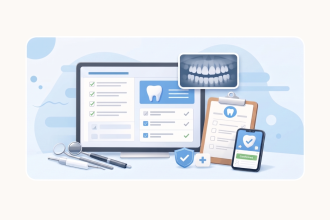
For example, a verification request form can route a patient’s insurance details from intake directly to whoever handles eligibility checks, with the fields payers actually require already built in — no transcription or phone tag required.
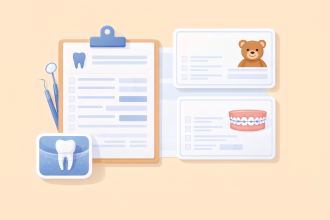
A treatment plan and financing form can be generated at checkout that includes payment plan options the patient can choose and e-sign for — before they’ve even left the building.
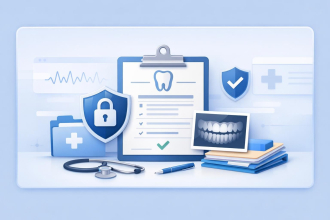
Building consent and procedure documentation into the same workflow means the information needed for a claim is already attached when it’s time to submit it, not assembled after the fact when someone’s trying to fix a denial.
Jotform Enterprise handles this end to end: HIPAA-enabled forms for insurance and consent, e-signatures through Jotform Sign, and workflows that route information where it needs to go automatically.
The practices that get billing right aren’t the ones with bigger admin teams.
They’re the ones whose paperwork doesn’t create extra work in the first place.
—
Ready to close the gaps in your billing workflow? Explore Jotform Enterprise for dental practices.






















Send Comment: