

This content is intended for general informational purposes only.
In a time when information can be as valuable as gold, knowing about (and using) a nondisclosure agreement (NDA) is extremely important.
You can’t conduct transactions in any industry without considering various laws and contractual agreements — and the NDA is one contract every business owner should be familiar with. Why? Because it provides a legal basis regarding information sharing.
Below, we walk through a few FAQs about these essential legal documents.
Send my document for signature
File type is not allowed.
Maximum file size limit exceeded. (5MB)
Something went wrong.
What’s the purpose of an NDA?
The purpose of an NDA is to protect the information two or more parties exchange. As long as all parties involved sign it, an NDA is generally intended to be a legally enforceable agreement that seeks to prevent the sharing of sensitive or confidential information with external parties.
“An NDA is greatly important to us as business owners, as it protects the information we share with other parties, such as our customers, business partners, and employees,” says Martin Seeley, CEO of MattressNextDay.
What negative outcomes could a business face if it fails to use an NDA?
While there are many scenarios where not employing an NDA could be detrimental, common use cases include new invention patents. Creating something new often requires collaboration between two or more people, and that involves the collaborators sharing confidential information.
However, the more people you share this information with, the more opportunities arise for one of the collaborators to either use it themselves or share it with a third party to create the same invention first.
“If you lose the chance to patent your invention first, you miss out on market and revenue-generation opportunities. You also have sunk costs and time regarding your R&D efforts,” Seeley explains.
Protecting proprietary processes is another example. Discovering someone has leaked your company’s standardized process to competitors is a worst-case scenario. While not every process is worth its weight in gold, some processes are highly confidential because what they produce is valuable.
Consider also that the value may not lie in what a company produces, but how the company produces a product. For example, an extremely efficient process that develops a product at half the cost of other companies presents a competitive advantage. This creates the need for an NDA to protect the process.
James Pearson, CEO of Eventuring Enterprises, says that the NDA is helpful when you need to be flexible with the rules regarding the disclosure of the process to other parties. For example, you may seek a partnership with a complementary firm that needs to be part of the process to derive further value.
“To keep details of your process from escaping your organization, you can use an NDA to limit information sharing of these parties. Without an NDA, you run the risk of these parties leaking the confidential information to your competitors,” Pearson says.
Not using an NDA can also make your employer-employee relationships risky. Employees often have direct access to lots of sensitive or confidential information while performing their job duties. Without an NDA in place, it may be more challenging to enforce restrictions on an employee from using or disclosing that information outside of the company, such as when leaving to work for a competitor.
The same concept applies to gig workers, which editor Samantha Moss uses at her company Romantific. Whenever she hires contractors and the like, she ensures the privacy of her company’s information by having them sign NDAs.
“Any information I share with them while they perform work for me stays private. Not using an NDA opens the door to leaking our intellectual property and trade secrets to the public. Such an occurrence could make our business less unique and make it hard to differentiate ourselves,” Moss says.
Sign your NDAs and other agreements quickly and easily
NDAs are clearly an important legal tool for businesses, but only if they are signed by all the relevant parties. Signatures indicate understanding of the document’s terms and agreement not to violate those terms.
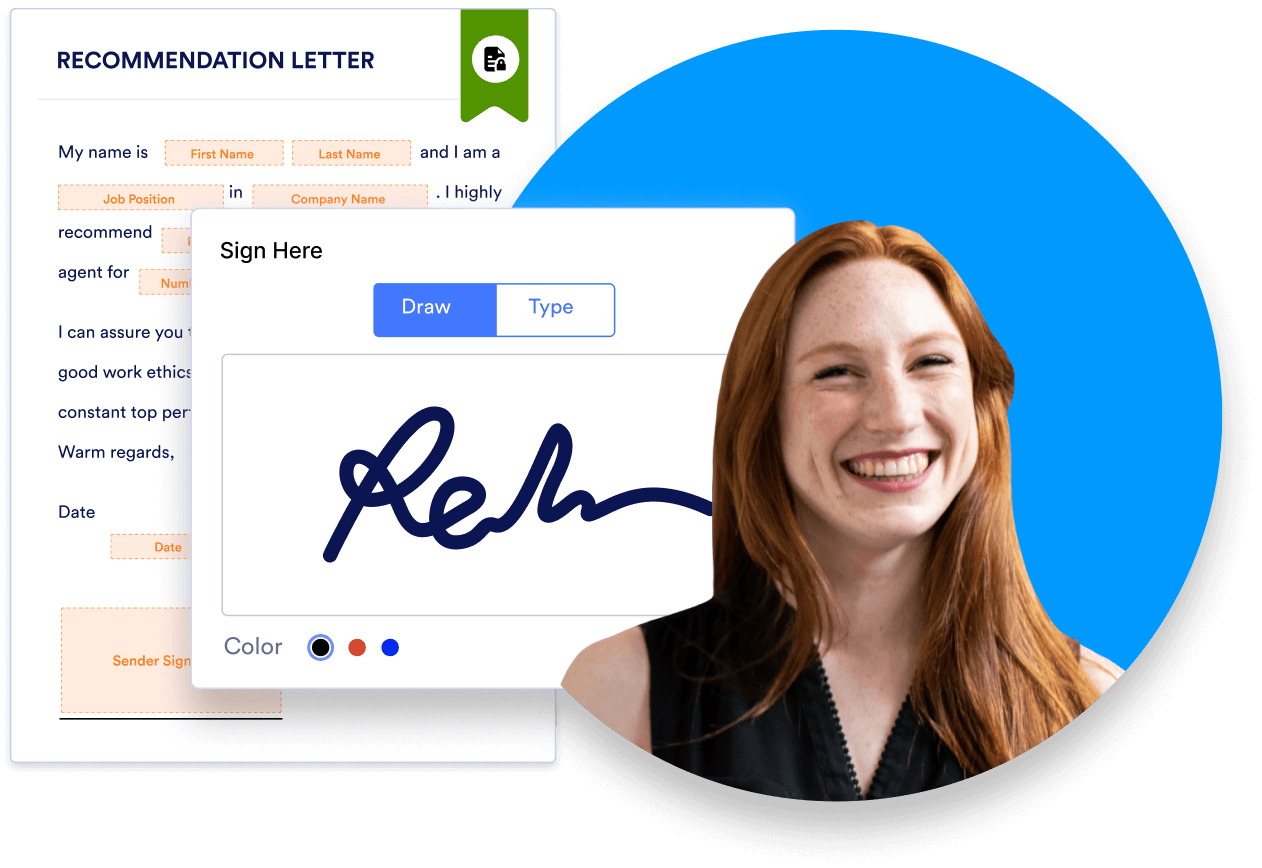
You can make the signing process quick and easy with Jotform Sign, an easy-to-use e-signature solution made for businesses of all shapes and sizes. Gather signatures remotely and avoid the hassle associated with traditional paperwork. Simply send your document to signers via email or share a link, collect the necessary signatures, and get instant notification upon receipt. Jotform Sign’s automation feature keeps the process flowing smoothly, automatically moving your contracts and other documents along as designated parties complete their assigned tasks.
Have a PDF of an agreement you’ve already put together? Simply upload it into Jotform Sign and turn it into an e-sign document. Or, take advantage of one of our 600+ templates to create a new agreement.
Some of our agreement templates include:
- A nondisclosure agreement template. If your business is considering partnering with an outside party such as a contractor or consultant, you can help protect your intellectual property with a nondisclosure agreement. If your new product idea leaks, a competitor may use it to beat you to the market. This template includes standard fields for identifying the contractual parties, boilerplate legal verbiage, and signatures.
- A confidentiality agreement. These agreements are often synonymous with NDAs but they have their distinctions — we cover those here. This foundational confidentiality template includes boilerplate language for protecting and disclosing confidential information, along with fields to enter the date, contract name, party names and addresses, and e-signatures.
- A supply agreement. Before hiring a supplier or vendor — especially for the long term — it’s critical to put the terms of your working relationship in writing. It may be helpful to have something in writing to refer back to in case of any misunderstandings. This template can provide a foundation of mutual understanding between you and your supplier. It includes fields for describing the goods they’ll supply your company, pricing, conditions for terminating the agreement, and other key sections.
- An employee confidentiality agreement. As you grow your business, you’ll need to hire new staff members, an activity that may pose risks to your intellectual property. One naïve or angry employee can easily leak trade secrets. You can help mitigate that risk with this template, which sets the parameters around acceptable use of company information.
You can customize each of these templates with Jotform’s simple drag-and-drop interface. Add as many fields as you need, alter or add verbiage to suit your specific use case, mold the look with your own branding, and more. Build a document once and send it as many times as needed. Get started with a free confidentiality agreement template today.
AS ALWAYS, CONSULT AN ATTORNEY BEFORE RELYING ON ANY INFORMATION ON THIS PAGE. THE CONTENT ABOVE IS FOR INFORMATIONAL PURPOSES ONLY. JOTFORM IS NOT PROVIDING LEGAL, FINANCIAL OR OTHER ADVICE.
This article is for business owners, entrepreneurs, HR professionals, and anyone who wants to understand how nondisclosure agreements protect sensitive information, intellectual property, and professional relationships.







Send Comment: