
Chatbot as a service (CaaS) is a cloud-based subscription model that lets businesses deploy and manage AI-powered chatbots without building or maintaining the underlying infrastructure themselves.
For most users, building a chatbot from scratch is not realistic. That’s where bot as a service (BaaS) comes in.
BaaS is a cloud-based delivery model that allows organizations to deploy, manage, and scale bots without building or maintaining the underlying infrastructure themselves. Instead of treating bots like custom software projects, BaaS platforms package hosting, updates, security, and integrations into a subscription-based service.
Chatbot as a service (CaaS) is one of the most common and practical versions of BaaS. It focuses specifically on conversational interfaces: AI chatbots that answer questions, guide users, automate tasks, and integrate with existing systems across websites, apps, and internal tools.
According to Google Trends, search interest in CaaS and AI chatbots for business has steadily increased over the past year, reflecting growing demand for scalable, low-overhead chatbot solutions. Rather than experimenting with one-off solutions, organizations are seeking platforms they can deploy quickly, update continuously, and manage without significant IT involvement.
Understanding how CaaS works and where it fits into the broader “as-a-service” ecosystem is key to choosing the right approach for your company.
What is CaaS?
CaaS is a cloud-based delivery model that allows businesses to build, deploy, and manage AI-powered chatbots through a subscription platform. It follows the same logic as other “as-a-service” models by removing technical complexity.
Just as SaaS removes the need to manage software and IaaS eliminates the need to manage infrastructure, CaaS shifts hosting, security, performance, and updates to the provider. That frees your team to focus on conversation design and real-world use cases instead of server management, compliance updates, or long development cycles tied to self-hosted chatbot deployments.
Most CaaS platforms are designed with nontechnical teams in mind. A no-code chatbot builder, for example, allows you to deploy a chatbot on your website, train it using internal documentation, and update responses as business needs change, all without writing a single line of code.
Typical features of chatbot SaaS solutions include
- Cloud hosting and scalability, so chatbots can handle spikes in traffic automatically
- Built-in maintenance and updates, including model improvements and security patches
- Pre-built integrations with websites, forms, CRMs, or internal tools
- Analytics and reporting to monitor performance and user interactions
Because CaaS tools are subscription-based and cloud-hosted, they offer a predictable cost structure and a faster time to market than building in-house solutions. For organizations looking to experiment, CaaS is a practical and flexible entry point.
5 benefits of CaaS
CaaS helps organizations launch AI chatbots faster, scale effortlessly, and reduce costs and technical complexity compared with building in-house. Here are just a few of the business benefits:
1. Faster time to market
CaaS platforms let teams launch chatbots in days or even hours instead of months. With infrastructure, hosting, and core AI capabilities already in place, your team can focus on conversation design and real-world use cases rather than technical setup.
2. Built-in scalability
Because CaaS solutions are cloud-based, they scale automatically as demand grows. Whether your chatbot handles a few daily interactions or thousands of concurrent users, the platform adjusts capacity without manual intervention or system redesigns.
3. Lower costs than building in-house
Building a custom chatbot often requires significant upfront investment and ongoing development resources. CaaS replaces that with predictable subscription pricing, making budgeting simpler and eliminating long-term maintenance expenses.
4. Reduced IT and maintenance burden
With CaaS, the provider manages updates, security patches, performance optimization, and model improvements. This lightens the load on your IT teams and minimizes the risk of outdated deployments.
5. Flexibility across teams and use cases
A single CaaS platform can support multiple departments. Marketing teams can use chatbots for lead generation, support teams for FAQs and issue resolution, and HR teams for employee self-service.
Common CaaS use cases across industries
CaaS platforms are used across industries to automate conversations, improve response times, and reduce manual workload.
Common industries using CaaS include
- E-commerce: Product discovery, order tracking, and customer support
- Healthcare: Appointment scheduling, intake assistance, and FAQs
- Financial services: Account inquiries, compliance-friendly support, and lead qualification
- Human resources: Employee self-service, onboarding, and policy questions
- Marketing and sales: Lead capture, qualification, and routing
E-commerce
E-commerce teams use CaaS to support high-volume customer interactions without slowing down the buying experience. Because CaaS platforms are easy to deploy and update, chatbots can adapt quickly to changing inventory, promotions, and customer expectations, especially during peak shopping periods.
- What e-commerce AI chatbots are good for: Answering product questions, surfacing shipping and return info, recommending items, and handling order status right at the moment shoppers are deciding whether to buy
- Good fit for: Product FAQ chatbots, order-tracking bots, checkout assistance, post-purchase support
Healthcare
In healthcare, CaaS helps organizations manage repetitive, time-sensitive requests while maintaining consistency and compliance. By offloading routine interactions to chatbots, care teams can reduce administrative strain and focus more on direct patient support.
- How healthcare AI chatbots add value: Reducing front-desk workload by managing scheduling, intake questions, clinic hours, and common patient FAQs through secure, always-on conversations
- Good fit for: Appointment scheduling bots, patient intake guidance, and clinic information chatbots
Financial services
Financial institutions often adopt CaaS to provide responsive customer support while maintaining clear governance and oversight. Chatbots offer a structured way to automate routine interactions and escalate complex or sensitive issues to human teams as needed.
- What finance AI chatbots do for teams: Providing fast answers to routine account and transaction questions while maintaining clear guardrails, compliance controls, and escalation paths to human agents
- Good fit for: Account inquiry bots, customer onboarding, basic financial FAQs, lead pre-qualification
Human resources
HR teams use CaaS platforms to centralize employee information and cut down on interruptions from repeat questions. Because CaaS chatbots can be trained on internal documentation, they’re especially useful for supporting distributed teams and keeping up with evolving policies.
- Where HR AI chatbots work best: Giving employees instant access to onboarding steps, benefits information, and policy answers without overwhelming HR teams
- Good fit for: Employee onboarding chatbots, internal FAQ bots, benefits and policy assistants
Sales and marketing
Sales and marketing teams use CaaS to connect with visitors in real time without relying on manual follow-up. Chatbots provide a consistent first touchpoint that can adapt to different campaigns, audiences, and traffic levels without adding operational overhead.
- How sales and marketing chatbots support growth teams: Capturing leads, qualifying prospects, and routing conversations automatically, so no inquiry gets missed, even outside business hours
- Good fit for: Lead-capture chatbots, website engagement bots, and event- or campaign-specific assistants
For a deeper look at real-world scenarios, explore detailed chatbot use cases across industries and business functions.
Challenges and considerations when choosing a CaaS platform
CaaS can simplify deployment, but the platform you choose shapes how effective and scalable your chatbot is over time. Many of the real challenges don’t appear at launch; they arise later, when teams need to refine conversations, integrate systems, or expand usage.
Key things to consider when evaluating a CaaS platform include
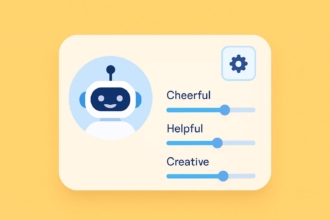
- Conversation quality and customization: How well the chatbot understands user intent, and whether you can go beyond templates to customize tone, responses, and conversation flows as needs evolve
- Templates vs flexibility: Prebuilt templates that speed up launch but may limit flexibility for more complex of unique cases
- Integrations and workflow support: Whether the chatbot can connect to your website, forms, CRMs, or internal tools to support real business processes, not just basic Q&A
- Analytics and optimization tools: Visibility into what users ask, where conversations drop off, and when human support is needed, so teams can continuously improve performance
- Security, privacy, and compliance: How user data is stored, protected, and governed, especially for organizations in regulated industries
- Multilingual and omnichannel capabilities: The ability to support multiple languages and deploy chatbots across websites, apps, or internal tools without duplicating effort or managing separate systems
Keeping these challenges and considerations in mind helps teams choose a CaaS platform that supports long-term success, not just quick wins. For a broader perspective on trade-offs, the benefits and challenges of chatbots offer additional context.
Using CaaS with Jotform
Jotform AI Chatbot Builder offers a practical example of CaaS in action. As a cloud-based platform, it removes the need to manage hosting, updates, or ongoing maintenance, so teams can focus on how chatbots support real workflows instead of technical upkeep.
- At the center of the platform is its Agent Builder, which allows teams to train chatbots using their own FAQs, documents, and internal knowledge. This makes it easy to move beyond generic templates and build conversations that reflect your brand voice and actual customer needs.
- The chatbot is designed to support immediate, high-value interactions. It can provide instant answers to common questions and guide users through form completion in a conversational way, reducing friction and improving completion rates.
- From a deployment standpoint, Jotform prioritizes flexibility and consistency. You can embed chatbots on any website or landing page with a simple code snippet and style them to match your branding, so they feel like a natural part of the experience.
Together, these features align with what teams typically look for in a CaaS platform: fast deployment, meaningful customization, minimal technical overhead, and the flexibility to adjust as needs evolve.
If you’re still building foundational knowledge, it can also help to revisit what a chatbot is and explore the broader benefits of chatbots before evaluating specific tools or providers.
FAQs
A chatbot can be considered a form of SaaS when it’s delivered through a cloud platform with subscription pricing, built-in hosting, and ongoing updates. CaaS applies the SaaS model specifically to chatbot deployment and management.
The three most common types are rule-based chatbots, AI-powered chatbots that use natural language processing, and hybrid chatbots that combine scripted flows with AI-driven responses.
Yes. Chatbots are widely used for customer service tasks, including answering FAQs, tracking orders, scheduling appointments, and routing complex issues to human agents.
This article is for teams evaluating chatbot as a service (CaaS) options and cloud-based AI chatbot platforms, especially anyone weighing speed, scalability, integrations, and governance while deciding whether to deploy a managed chatbot solution or build in-house.






























































Send Comment: