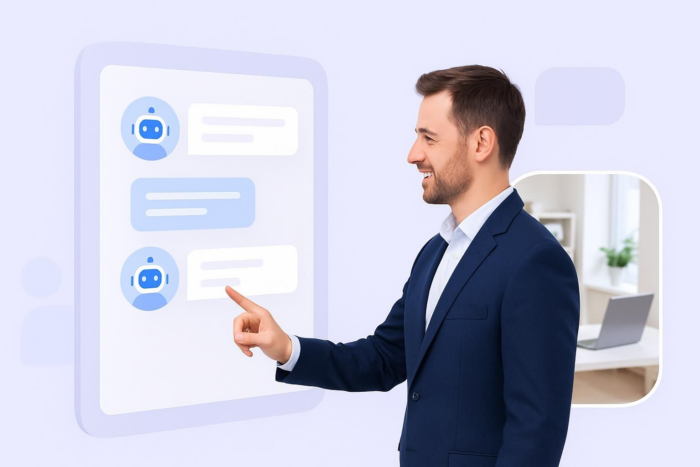
It’s 2:30 a.m. on a Sunday, and a client is perusing your website. They want more information about a product you sell, but no one is available to answer their questions — unless you have a chatbot.
A chatbot for business is available 24-7-365: This tool never sleeps and is always eager to help. Organizations worldwide use chatbots to enhance their customer service functions and generate leads. In fact, they’re so widely available online that not having one on your website might surprise new visitors — especially ones that expect quick answers.
If you’re in the market for a new chatbot, know that they’ve advanced far beyond the basic capabilities available just a few years ago. Today’s chatbots recognize and respond to natural language queries using artificial intelligence (AI). That’s excellent news for any company wanting to offer premium customer support and improve operational efficiencies.
Chatbot trends in 2026
What features can you find in the newest chatbots for small businesses and enterprises? Here’s a look at recent changes to the tools.
AI-powered conversational agents
Five years ago, the average chatbot relied on preformed questions and answers to provide customer service. When you visited a website, the chatbot appeared in the corner, ready to help you with a specific task. Chatbots couldn’t perform any activities outside defined parameters, so if a customer had a non-routine question, it was usually redirected to a customer service agent. Or, even worse, it ended the chat altogether, leaving visitors to find an alternative solution.
Fast-forward to today’s AI-powered conversational agents. These supercharged chatbots handle much more than basic customer support functions. Some understand natural language queries and are able to interpret and answer questions much like a human does.
Personalization and context awareness
Imagine you’re chatting with a close friend about buying a new car. You discuss vehicles you’re considering and why you like them. The conversation ends, but the next time you see your friend, they ask you if you made a final decision — they remember what you were talking about, and you don’t have to start the conversation over from scratch.
New chatbots have the same capabilities. They can “remember” previous interactions associated with a user’s history. They also follow actions you engage in on a website. For example, if you browse refrigerators on a home appliance website, the company’s conversational agent follows your clicks and inquires about your preferences. Using that information, the chatbot then suggests a specific refrigerator for your needs.
Omnichannel integration
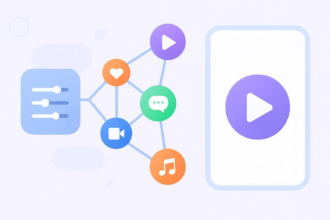
Chatbots are no longer confined to the bottom corner of a website. Many companies integrate them through other channels customers use, such as social media and messaging apps. That’s helpful for times when customers don’t want to leave a platform to get support. Instead, they can ask for assistance through WhatsApp, Facebook, Instagram, or wherever else the chatbot is available.
Why is that handy? Imagine you’re scrolling through a rental property platform looking for a new apartment. It’s a weeknight, so no agent is available. But there is a link to the owner’s WhatsApp, and their account has a chatbot to answer questions outside business hours. You could interact with the chatbot to learn more about the property and schedule an appointment to see it — all without waiting for the agent to get back to you.
Voice and multimodal chatbots
Voice recognition technology isn’t new. It’s found in smartphones and home gadgets, and can help you with everyday tasks such as checking the weather. For years, the tech wasn’t particularly great. Users complained it failed to recognize their speech, especially if a device wasn’t within close range.
Things changed with the introduction of AI. Today’s voice models are much more adept at recognizing and responding to speech. Even better, they don’t sound like robots when they talk. Models can have different accents and speak languages besides English.
Tech-forward companies are introducing new voice chatbots for customer interactions. These chatbots handle basic tasks, such as conducting surveys and answering account questions. As the technology evolves, its capabilities (and use cases) will also evolve.
AI chatbots for lead generation and sales
Any website owner knows the pain of seeing new visitors, only to lose them after a few quick page clicks. But there’s a way to keep those people interested and moving through your sales funnel: an AI chatbot for business.
Specially designed chatbots can interact with new visitors and suss out what they’re looking for. They ask relevant questions and gather client information, which is shared with your business. Think of it as striking while the iron’s hot. The visitor has a problem you can help with, and the chatbot immediately engages with them to keep that intent high before passing the details on to your sales team.
Chatbots help sales teams focus on qualified leads rather than wasting their time on unqualified ones. They can also handle customer nurturing and follow-ups. Your team can step in when clients need hands-on attention.
Areas of application for chatbots in business
Chatbots are an extension of your team. They can’t replace the people you have, but they can enhance the customer experience and provide extra support. Here are a few areas where they can come in handy.
Customer service
Chatbots really shine in customer service. They’re available at all hours of the day to tackle common customer issues. This reduces customer wait times, which can be a big pain point for some organizations.
A few of the tasks a customer service bot handles include booking appointments, providing basic troubleshooting support, and FAQ automation. For example, when a customer service chatbot is linked with an appointment calendar, it can provide the customer with a list of open timeslots and record their chosen time in the calendar.
Chatbots are customizable for your business, so they provide personalized customer service aligned with your products or services. And if a customer doesn’t get the answer they’re looking for? An AI-powered chatbot can forward the query directly to your human agent, who steps in for more complex issues.
E-commerce and sales
Online stores have one major disadvantage: a lack of personal interaction. When you visit an e-commerce store, no employee is there to welcome you or ask what you’re looking for. That’s where chatbots help.
An e-commerce store’s chatbot acts as a customer service agent. It greets customers and provides personalized product recommendations. It can also notify visitors of abandoned carts and share order tracking details.
AI-driven chatbots have a superpower: They can examine store data to find relevant products to upsell or cross-sell customers. For example, the chatbot could use previous order data to suggest compatible items during checkout. That small change makes a big sales difference for online stores.
Marketing and lead generation
Chatbots can support lead generation efforts. This is especially effective for businesses that sell high-priced products or services or that face stiff competition. The chatbot can ask questions to learn the customer’s intent, then pass qualified leads on to the sales team for follow-up.
Some businesses use chatbots in interactive marketing campaigns. For example, chatbots may engage customers in two-way conversations and include elements such as quizzes or storytelling. This helps brands build stronger customer connections.
HR and employee support
Chatbots may handle a lot of customer-facing tasks, but they’re also useful for routine, internal duties — especially regular employee interactions. That’s why many organizations use them to supplement their HR team.
Chatbots can handle common questions that employees ask about work policies and benefits. Some companies also use them to track leave requests and monitor approvals.
Another area where chatbots can assist is onboarding. A chatbot can guide new hires through initial paperwork and benefit enrollment. It can verify that employees complete all their onboarding tasks, including training. And it can answer questions that new employees have when they join your team.
Benefits of implementing chatbots in business
Chatbots won’t fix every business problem, but they do offer substantial benefits. That’s why organizations continue to use them for marketing, customer service, and other tasks. Here are some of the benefits of chatbots.
Improved customer experience
Chatbots don’t sleep or take breaks. They’re always available for support. This is a net positive for customers who expect answers when they need them, not just during business hours. With a chatbot, your customers always have access to support. And even if the chatbot can’t completely fix their issue, it can redirect a customer’s concern to a human agent who can.
Operational efficiency and cost savings
Routine inquiries and tasks take up a lot of valuable time. And while you may not be able to completely eliminate them, you can offload them to a chatbot. Doing so frees up your team’s time for more important work. It may also cut some of your operational costs. For example, your chatbot could handle off-hours tasks so you don’t have to pay overtime for customer service workers.
Data collection and analytics
Chatbots are an excellent data source, and they can provide you with valuable information about client wants and employee needs. Every interaction gets stored in the chatbot history or log. AI-powered chatbots learn from this data, which improves their responses and enables them to provide greater personalization.
Marketing teams, HR professionals, and other approved employees can use the data to refine their business strategies. For example, marketers who notice an uptick in chatbot queries for a specific product may promote it more through marketing channels. And HR managers could add a new benefit to company offerings if employees ask about it through the chatbot. The extra bit of information improves decision-making and leads to better customer and employee experiences.
Why create your own chatbot?
Generic chatbots provide basic support, but the best mileage comes from chatbots tailored to your business. Here’s why.
Greater customization
Any time a customer (or employee) interacts with your business, the experience should reflect your brand’s voice and goals. A mismatch in these areas causes unnecessary confusion.
With a custom chatbot, you can align the agent’s tone to fit your brand. You can also train it using in-house data, so its answers reflect your products and services.
Data security and control
Organizations have little control over an external chatbot. Anyone with the appropriate permissions could view its data. This could cause regulatory issues in areas with strict privacy laws.
When you own a chatbot, there’s less risk of someone viewing its private data. Improved security over chatbot data keeps you adhered to relevant privacy regulations.
Competitive advantage
Do any of your competitors offer a built-in chatbot through their website or messaging platforms? If not, you could put your organization ahead of the crowd.
Implementing a chatbot shows you care about innovation and the customer experience. Your clients have a way to get assistance, even if it’s outside business hours. That’s a big advantage in a time when customers expect instant answers to their queries.
Scalability
A custom chatbot evolves with your business. As you add new tools, products, services, and company policies, you can update the chatbot to meet your needs. The ease of adaptation makes it very scalable for growing organizations.
Steps to create a chatbot for your business
Jotform makes it easy to develop effective chatbots for your organization. We offer pre-built, AI-powered chatbots that are fully customizable. Here’s how to create a chatbot through Jotform.
1. Identify what type of chatbot you want
Jotform has chatbots for multiple use cases, including customer support, recruitment, appointment booking, e-commerce, and more. Describe the chatbot that fits your needs and where you plan to use it (such as your website).
2. Customize the chatbot
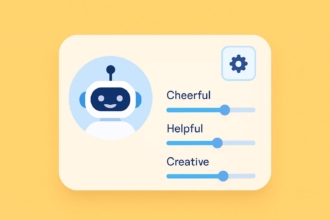
We offer multiple customization options to turn your chatbot into an extension of your organization. Adjust these features so they fit your branding:
- Set a greeting message: Create an introductory message aligned with your brand’s voice.
- Choose an avatar: Pick an avatar from the dozens of available options.
- Select a color scheme: Change the background and chatbot colors to fit your website or brand color scheme.
3. Create a chatbot knowledge base
When you hire a new employee, they usually go through a short training period before they become familiar with your business. Chatbots are similar — they need guidance on their tasks before they can offer solid assistance to customers and employees.
Ways to train Jotform chatbots include
- Manual data entry: Share specific information you want the chatbot to know. For example, what your organizational goals are or who your leadership team is.
- Adding links: Give the chatbot links to review and source data from.
- Document uploads: Provide the chatbot with electronic files relevant to queries it may answer.
- Q&A pairs: Offer a list of common FAQs and their answers that the chatbot can use.
4. Choose a ready-made AI agent chatbot
Jotform has over 200 AI agents for specific business use cases, including HR, finance, real estate, education, healthcare, and marketing. You can view all the agents in our templates directory and pick one that aligns with your organizational needs. Each agent is customizable, so you can train them on your internal data resources and adjust color schemes and voice to fit your brand.
5. Enhance the online chatting experience
Our AI-powered chatbots go beyond basic questions and answers to provide a personalized customer experience. For example, our e-commerce AI agent can recommend products based on customer inputs and preferences. And with our lead generation AI agent, you can capture customer intent and screen prospects early in the sales funnel.
Elevate your organization’s customer service with an AI-powered chatbot
Integrating a chatbot into your website and messaging platforms gives customers a way to connect with your business, even when you’re not available. It’s an easy way to improve the customer experience through timely, relevant answers. And with Jotform, you can customize your chatbot so it has the look and feel of your brand.
To explore how chatbots can support your business and help you gain a competitive edge, create a personalized Jotform AI agent today!
This article is for business owners, entrepreneurs, and managers looking to enhance customer support, boost sales, and streamline operations with AI-powered chatbots. It’s also valuable for marketing teams, e-commerce operators, and HR professionals seeking tools to improve engagement, automate routine tasks, and gather actionable data for better decision-making.













































Send Comment: