

This content is intended for general informational purposes only.
Whether you’re working out a rental agreement or business arrangement, most involved parties rely on a written agreement, or contract, to protect themselves if something goes wrong. These legally binding documents often lay out terms, conditions, roles, and responsibilities that govern the parties’ relationship. If, for example, one party fails to hold up its end of the agreement, the other party may pursue legal action to enforce the terms of the contract.
This area of the legal field is known as contract law. Read on to find out exactly what contract law is, how it’s enforced, and how the right software can help you navigate it.
What is contract law?
Contract law is the legal field that covers drafting and enforcing agreements. Contracts outline each party’s rights and obligations, so if something goes wrong and there’s a dispute, the parties have a written agreement to fall back on.
Attorneys often cite contract law on their résumés and websites as a specialty, since a wide variety of transactions, industries, organizations, and personal partnerships require contracts. In-house counsel for corporations, business lawyers, real estate lawyers, and courtroom litigators (just to name a few) practice contract law in one form or another.
In most states, contract law is governed by common law, which means decades of court decisions, in addition to statutes enacted by legislators.Most U.S. states view contract law similarly — although some state courts interpret various elements of contracts differently. Furthermore, the Uniform Commercial Code (UCC), while not a federal law, governs commercial transactions involving the sale of goods in the U.S. (which generally involve contracts between businesses).
Send my document for signature
File type is not allowed.
Maximum file size limit exceeded. (5MB)
Something went wrong.
Regardless of whether the contract is commercial, courts in the U.S. defer to the terms of contracts in place between two parties, and judges don’t dictate what a contract should say. If there’s no written contract, the UCC still applies to commercial transactions — it provides guidance on the enforceable terms of the parties’ agreement.
Because most contracts are governed by the laws of a particular jurisdiction, they often include a “jurisdiction clause.” This allows the parties to agree in advance which state’s laws will govern a dispute in the contract. A contract between a party in New York and a party in Texas, for instance, could specify that any disputes will be governed by Texas law and handled in a Texas court.
How are contracts enforced?
The courts generally do not consider the adequacy of consideration (i.e. whether the price is fair), but they may review the contract for illegality or unconscionability. For example, if your friend offers you $5 to create their website and you do it, the judge may only consider that you agreed to create the website and perform the duties, not whether that was a fair deal in the first place. Of course, courts won’t enforce a clearly invalid contract, such as a fraudulently obtained signature.
Not every transaction requires a specific written contract to be valid. Say, for instance, you buy a coffee maker from the store. By accepting your payment, the store is implicitly agreeing that you can take the coffee maker home and that it will work as advertised. No written contract is necessary.
However, oral agreements can be risky. Let’s say you verbally offer to pay a friend $200 to paint your living room. The friend completes the task. Since you made a verbal agreement, you’re generally obligated to pay your friend the $200.
But if there’s a disagreement regarding payment or services rendered, and you lack the written evidence of expectations to refer to, it’s often one party’s word against the other’s. That’s why written contracts are preferable to verbal agreements.
Now that you have a better idea of what contract law is and how it’s enforced, let’s learn about a tool that will help you draft and sign contracts with ease.



How Jotform Sign can help you collect e-signatures on contracts
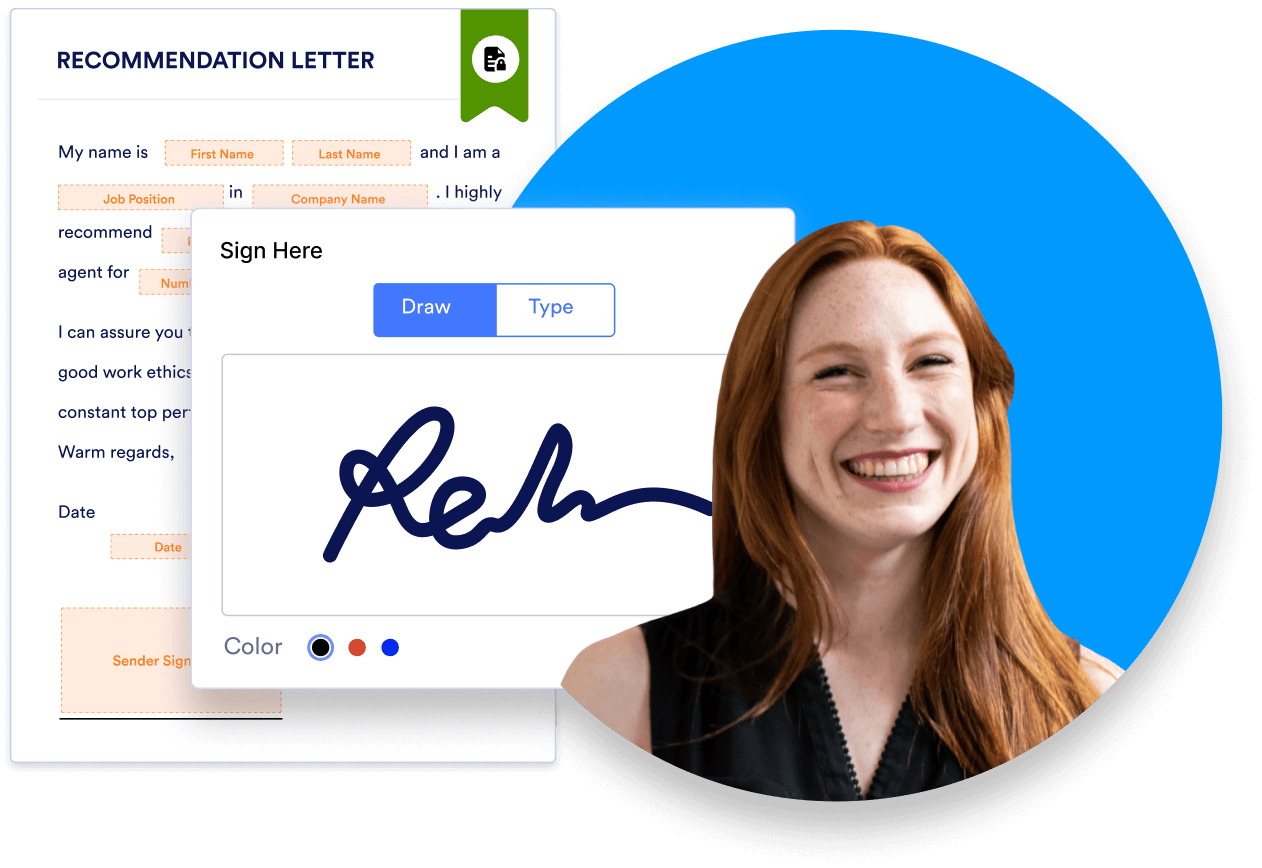
Jotform Sign makes creating, signing, sharing, and storing legally binding, written contracts easy. Simply choose from 600-plus reusable, fully customizable e-sign templates; add form fields, widgets, and your brand elements to them; and share them via link or embed them in your company website.
Once your contract is out for signature, you’ll receive notifications regarding signer actions every step of the way, thanks to Jotform Sign’s built-in audit trail. This critical feature gives you full access to where your online documents are sitting, headed, or stuck in the signature process.
Jotform Sign is powerful, highly secure, intuitive, and completely code-free, helping lawyers and non-lawyers alike create, send, and collect signatures for professional contracts, regardless of programming experience.
Contract law can be a challenging concept to understand, especially for non-lawyers who need to draft contracts. But if you have a better understanding of contract law — including how contracts are enforced and which software can help you collect e-signatures — you’re typically better equipped to create and sign contracts with confidence.
This article is for small business owners, freelancers, landlords, and operations teams who regularly use agreements, like service contracts, vendor terms, or rental documents, but don’t have in-house legal support for every situation.
This content is for informational purposes only. Jotform is not a law firm and is not providing any legal, finanicial, or other advice. Please consult a licensed attorney and/or other applicable professionals.




























Send Comment: