

The following suggestions are for informational purposes only and do not constitute legal advice. For advice on specific contracts, please consult a qualified legal professional.
When negotiating a contract, each party is seeking advantageous terms, of course. But true negotiation isn’t a contest — it’s a compromise. A “winning” negotiation strategy offers a clear, shared vision of expectations, objectives, and outcomes, resulting in a fair contract that should sustain a mutually beneficial business relationship for all parties.
You shouldn’t rush contract negotiations, either, especially if you have to go through litigation. It’s customary to take your time and go back and forth with other parties, making changes, adding clauses, and redlining until all signatories are satisfied with the terms. Here’s some strategies to successfully negotiate a contract.
Send my document for signature
File type is not allowed.
Maximum file size limit exceeded. (5MB)
Something went wrong.
An overview of contract negotiations
Because negotiating the terms of a contract — like picking a set venue or agreeing on a final price — can be a time-consuming and expensive process, it’s smart to have a game plan for how you’ll proceed. This can help minimize miscommunication and errors, lengthy contract cycles, and stress along the way.
When it comes to negotiating a contract, here’s what you should focus on:
- Begin by suggesting that each party outline the terms and conditions they’re seeking. Start with simple, clear terms that aim to simultaneously cover your bases and prioritize collaboration with the other party.
- Create bullet points for each item, such as the services or products that will be provided, as well as pricing, deadlines, any required pre-payment or deposit, and anything that must be completed or delivered before the balance is due. The more specific the contract is, the easier it tends to be for everyone concerned to see the big picture clearly.
- After agreeing on broad contract terms, you should dive into the details of individual clauses, tackling the easiest items first (i.e., ones that don’t require much additional paperwork, input, or labor).
Most importantly, remember that the first draft of the contract you create for the other party or receive from them is just that — a draft. In business-to-business (B2B) transactions, negotiations and exchanges of contract redlines are typical. That said, some attorneys believe that whoever drafts the initial draft agreement has the most influence on whatever is ultimately up for negotiation. It could be an opportunity to frame the contract in a way that’s more favorable to you and your organization.
Strategies to restart stalled negotiations
Sometimes, no matter how much you plan ahead, contract negotiations stall. Perhaps it’s a tactic to make you nervous about your proposed deal, or the other party may be dealing with some internal executive shifts.
Here are some ideas to re-start stalled discussions:
- Stay in communication with them, preferably in writing.
- If sending emails seems to be getting you nowhere, consider calling them or asking them to video chat, or even offer to meet in person. An in-person conversation can go a long way toward clarifying expectations and getting both parties on the same page.
- Be reasonable. If you’re struggling to reach an agreement on specific terms, consider listening to their concerns again. Examine where they’re coming from and why you may have reached a sticking point.
When it’s time to sign
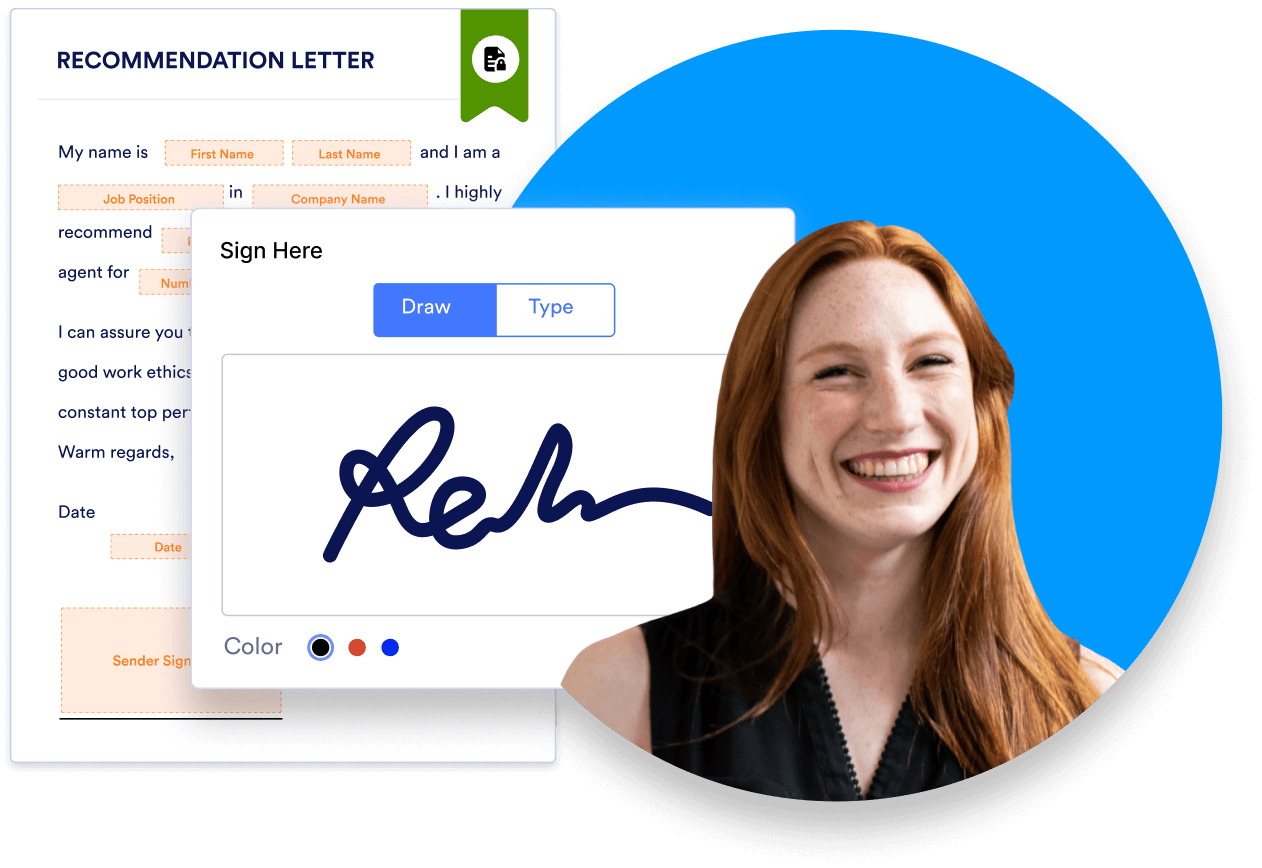
Once you’ve hammered out the contract terms with the other party, and it’s finally time for the parties to sign the contract, consider using a tool like Jotform Sign, so both parties can sign electronically. That saves the hassle of emailing documents to be printed out and hand-signed.
With Jotform Sign, you can also
- Send multiple e-documents to multiple people effortlessly, helping to move the negotiation process along
- Share reusable templates with colleagues
- Build approval workflows that notify signees — both internal employees and external vendors — when it’s their turn to sign the e-document
- Store e-documents securely on trusted cloud storage providers like Dropbox and Google Drive
- Track where all e-documents are in the signing process so you can send someone a friendly reminder to sign (or even nip potential hesitation or doubts in the bud)
This powerful platform is fully customizable, highly intuitive, and completely code free, which helps ensure all contract builders and signers can get their negotiated terms to the finish line — regardless of programming experience.
With the right information and tools (like Jotform Sign), negotiating a contract can be a fairly straightforward process. Just remember to plan ahead effectively, be reasonable with and respectful toward the other party, and shorten the sales cycle by not letting stalled negotiations carry on too long.
AS ALWAYS, CONSULT AN ATTORNEY AND/OR OTHER APPLICABLE PROFESSIONALS BEFORE RELYING ON ANY INFORMATION ON THIS PAGE. THE CONTENT ABOVE IS FOR INFORMATIONAL PURPOSES ONLY. JOTFORM IS NOT PROVIDING LEGAL, TAX, FINANCIAL OR OTHER ADVICE.
This article is for business owners, procurement and sales professionals, legal and operations teams, and anyone who wants to negotiate contracts more effectively, overcome stalled discussions, and move agreements to signature with confidence.




















Send Comment: