

AI is now a necessity, not a novelty. There has been a 35 percent increase in jobs in this field, and equity investments in AI businesses have reached $124.3 billion. AI is now embedded in daily business operations and organizational workflows.
“AI” refers to computer systems that can process information and recognize patterns to make decisions. The technology has become a driving force across manufacturing, healthcare, agriculture, marketing, security, education, and many other industries.
In factories, predictive systems reduce downtime and refine production lines, and in hospitals, algorithms support doctors in diagnosing and treating patients. Farmers use them to monitor soil and crop conditions, and teachers experiment with learning tools to personalize education.
So the question, What can AI do? has a very long answer. In this guide, we’ll discuss the applications of AI in detail.
Why is AI important?
- AI automates complex tasks, reducing manual workload.
- AI analyzes vast amounts of data for smarter decision-making.
- AI enhances customer experiences through automation and personalization.
Understanding AI’s core capabilities
AI operates on a foundation of three capabilities that make it very effective and explain why organizations are investing in its integration.
Learning and adapting
AI systems process massive datasets to identify recurring structures and hidden relationships that humans might miss. Algorithms then refine themselves through machine learning models as more data flows. Over time, they become increasingly reliable.
Feedback loops allow the systems to adjust when conditions change. Such adaptability makes AI valuable in environments where constant change demands fast recalibration.
Automation and optimization
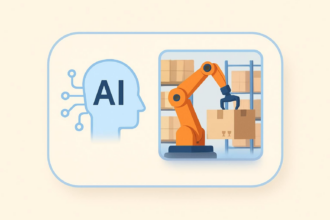
AI takes over repetitive, rules-based tasks. For example, in manufacturing, AI-driven robotics synchronize production lines and improve throughput. In healthcare, AI manages patient scheduling and billing.
Reduced human intervention in routine processes gives your teams more time to focus on core tasks. Plus, AI makes it easier to scale operations without adding proportional costs.
Decision-making and prediction
AI uses statistical models to assess probabilities and recommend actions, for example, detecting irregular patterns that signal fraudulent financial transactions. Retailers can use predictive analytics to forecast demand and stock inventory accordingly. AI’s predictive power provides foresight that was previously lacking in organizations.
How does AI learn?
📌 AI uses machine learning to identify patterns and improve accuracy.
📌 AI adapts based on real-world feedback and new data.
Practical applications of AI across industries
So what can AI do? AI is now in practical use in pretty much every industry. Here are some prominent examples:
AI in data analysis & fraud detection
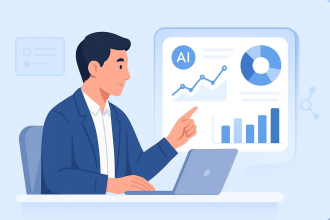
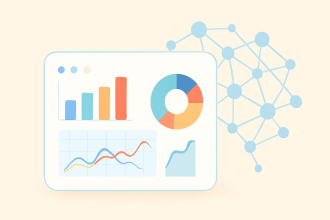
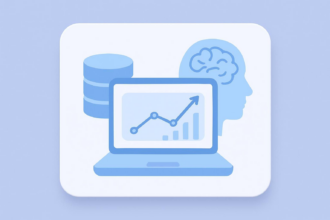
Modern organizations generate large amounts of information, and AI can help make sense of it. Advanced analytics platforms break down raw data into insights that teams can then act on.
For example, retail companies use AI to understand customer behavior patterns. Companies then use that information to inform product placement and pricing decisions.
In financial institutions, AI systems monitor transactions to flag unusual activity in real time. Banks can often predict and block attempts at fraud before money is lost. In addition, 50 percent of organizations use AI for scam detection, and 39 percent use it to detect transaction fraud.
AI in manufacturing & agriculture
On factory floors, AI-driven robots now oversee entire production lines and coordinate tasks. Machines outfitted with predictive sensors can identify wear and tear before equipment failure occurs, saving companies money that would be spent on costly interruptions.
Agriculture also benefits from AI. Farmers use AI-powered tractors and drones to measure soil quality, assess crop health, and apply resources like water and fertilizer only where needed. AI-driven growth prediction models also allow farmers to estimate harvest times and optimize resources accordingly.
AI in content creation & marketing
A little over 70 percent of marketers believe AI is better than humans at marketing. These days, marketers don’t have to spend days drafting content and going through multiple rounds of edits. Instead, they can use AI tools like ChatGPT to generate ad copy, blog posts, product descriptions, or full-fledged marketing campaigns in seconds.
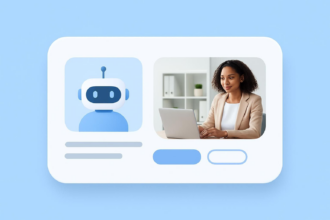
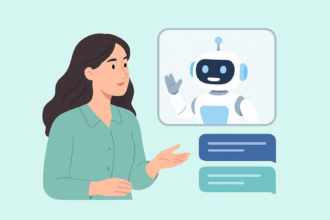
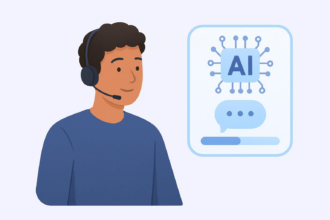
Similarly, AI-powered image and video tools create visuals. Customer interactions are being transformed by chatbots and conversational AI agents. These digital assistants provide real-time responses and handle tasks like technical support and order tracking.
AI in healthcare & research
AI systems trained on thousands of medical scans can identify irregularities more quickly than human specialists and offer doctors another layer of diagnostic support. In pharmaceutical research, AI reduces the time needed to analyze compounds and predict their effectiveness.
For example, AlphaFold, an AI tool, has revealed structures for more than 200 million proteins, work that gives pharmacology researchers a head start. Similar tools reduce the time needed for drug discovery and disease prediction, while accelerating the development of new treatments.
At the patient level, AI-enabled tools can support personalized care. Remote monitoring devices and telemedicine platforms allow healthcare professionals to deliver faster responses. In many cases, AI models’ early predictions from MRI or CT scans can give patients access to treatments when they’re most effective.
AI in user interaction & language processing
AI’s ability to understand and respond to natural language has changed the way people engage with technology. Digital assistants such as Alexa, Siri, and Google Assistant exhibit this shift.
These tools can answer questions, manage schedules, control smart devices, set alarms, handle daily tasks, call people, and do so much more upon voice command.
AI has also simplified translations, which has helped global businesses communicate with their customers across borders. For example, e-commerce stores can run multilingual marketing campaigns, and nonprofits can connect with volunteers globally.
AI also plays a major role in improving user experience design. Developers of websites, apps, and other digital services can use AI to adapt their interfaces to user behavior. For example, retail sites can offer AI-powered recommendations, and businesses can enable AI-powered personalization on their sites.
How AI enhances communication
📌 AI-powered chatbots answer customer questions 24-7.
📌 AI translation tools break language barriers instantly.
📌 AI-driven voice assistants provide hands-free support.
The future of AI: What’s next?
AI’s influence is likely to spread even further in the coming years. It is expected to move from supportive roles to more autonomous and intelligent tasks. In transportation, self-driving cars are becoming increasingly capable of interpreting complex traffic patterns and making split-second decisions.
Further, digital assistants and robots are improving, interacting more naturally with humans. Machines are also learning to recognize emotions and respond to nuanced commands. In one study, machines (82 percent) outperformed humans (62.8 percent) at recognizing emotions.
Going forward, AI will personalize experiences even more, with predictive healthcare tools and personalized shopping capabilities. These systems will likely anticipate user preferences and adjust their outputs in real time.
What’s next for AI?
📌 AI-powered self-driving delivery vehicles
📌 AI-generated music, movies, and virtual influencers
📌 AI-enhanced human and AI workplace collaboration
Now that AI has made its way across industries, it is on its way to transforming organizational operations and customer interactions. Intelligent assistants and predictive analytics have created opportunities previously unheard of.
Regardless of the industry you’re in, it’s important to explore AI products, AI agents and stay up-to-date with AI-related news and innovation. It’s time to go beyond basics like ChatGPT and Gemini.
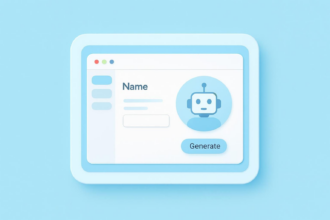
For example, Jotform’s AI products facilitate data collection and automation in business operations. You can experiment with Jotform AI Agents to customize AI solutions for your needs. With over 7,000 AI agent templates, you don’t even have to start from scratch. Simply customize a template to enhance user engagement, streamline your business workflows, or handle another time-consuming task.
Try Jotform today to take your AI familiarity and usage up a notch.
This article is for business leaders, managers, and professionals who want a clear, up-to-date understanding of how AI is used across industries.







































































Send Comment: