
Reputation management hasn’t officially made the short list of restaurant owners’ biggest challenges in 2025. But considering that negative customer reviews are on the rise and restaurants are one of the top four industries most impacted by them, it should be.
Many restaurant owners have struggled with the aftereffects of negative reviews, particularly during the COVID-19 pandemic. But restaurant reputation management isn’t just about learning how to handle less-than-stellar reviews. It’s a wide-ranging marketing function that involves monitoring and managing feedback of all kinds, and creating systems to improve the way your restaurant is perceived.
If you haven’t already thought about ways to manage your reputation online, now’s the time. The information and tips provided will highlight some tactics you can begin implementing right away to manage customer feedback more effectively.
What is restaurant reputation management?
Restaurant reputation management involves monitoring and managing online customer feedback about your restaurant with the goal of improving your public image.
As a consumer, you probably already understand the appeal of reading reviews before making a purchase. About seven in 10 consumers claim to “always” or “regularly” seek out online reviews when looking for local businesses. People are inclined to trust others’ assessments of products and services. The more you can ensure your establishment is portrayed positively, the better your chances of attracting clientele and increasing revenue.
Even if your reviews aren’t all stellar, managing them properly, rather than ignoring them, makes you look good. Acknowledging feedback shows your attentiveness to customers’ concerns and reassures them that you’re taking their comments seriously. If customers believe you’re working hard to improve, they will likely continue to return despite a few negative comments or experiences.
Love them or hate them, reviews will continue to be a fact of life for restaurant owners; learning how to manage them is the key.
The impact of online restaurant reviews
Customer feedback can make or break a restaurant. The most significant portals for restaurant reviews, such as Yelp, Tripadvisor, and Google Reviews, continue to grow in importance. Forty-five percent of Yelp’s 178 million monthly visitors are specifically looking at restaurant reviews, as are 38 percent of Tripadvisor’s visitors.
But 51 percent of those review-seekers are also actively writing reviews. Here are some intriguing statistics that will give you an idea of the impact reviews can have on your business:
- One survey revealed that 70 percent of respondents consider reviews an “extremely or very important” factor in choosing their next place to eat.
- Another found that 94 percent of respondents indicated they read management responses to feedback, with the majority noting they would try a restaurant despite a bad review when the manager has responded to the feedback.
- Increasing your rating by one star can produce a 5–9 percent jump in revenue, according to some estimates.
- Diners are likely to spend 31 percent more in a place with excellent reviews (four to five stars).
The takeaway from these stats: If you make an effort to manage your online restaurant reviews, it’s possible to boost your reputation and grow your business.
Best practices for managing restaurant reputation
So what can you start doing now to manage your reputation online? Here are three strategies that will help you actively monitor and manage customer feedback.
Monitor review sites for mentions
The first tip is to find your reviews. To do that, you need to monitor the review platforms your customers are most likely to use. To help make manual searching easier, you could try setting Google Alerts for mentions of your brand, though this may not cover all review sites.
Another option is to use an online reputation management tool. These tools can help you track, monitor, analyze, and respond to customer reviews. Some offer sentiment analysis (identifying the overall tone of reviews) and can also track and manage your business listings across platforms. The various offerings have many different features that can help you significantly when it comes to monitoring new reviews.
Respond to all reviews
Reviewers provide valuable information. Therefore, it’s important to respond to every review posted, good or bad. Responding to negative reviews is especially important because it shows you take complaints seriously and are striving to correct problems.
Encourage customer feedback
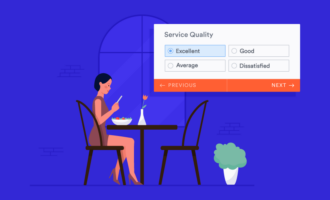
Actively asking customers to provide feedback is one of the best things you can do for your reputation. In doing so, you’re more likely to get good reviews from customers who may not have originally been inclined to post feedback on one of the major review outlets. This tactic can help you improve your Google Reviews specifically. Digital surveys are an excellent way to get customer feedback.
Another idea is to ask diners in person about their experience. That way, you can address issues immediately and turn things around. This strategy could reduce the overall number of negative reviews.
10 tips for managing your restaurant’s reputation
Here are some additional tips you can use to be even more proactive in managing your restaurant’s reputation.
1. Make sure your online presence is consistent across platforms
Every platform where your restaurant is listed, such as Yelp, Tripadvisor, Google Reviews, and your own website, should display business details that are consistent with one another. If one platform lists different hours of operation from another, for example, you’re inviting negative commentary from the public. Other details, such as prices, menus, and addresses, should also be correct across the board.
2. Train your staff on customer interactions
Visitors expect exceptional service, but don’t assume your staff knows how to provide it.
Talk to your staff about the importance of their role in creating a fantastic dining experience, and convey the need for clear communication, attentiveness, and careful listening. Also provide them with the tools to handle the challenges that will inevitably pop up, such as dealing with rude or demanding customers. The more you can do to empower your team to handle in-person customer concerns with empathy and professionalism, the better your chances of leaving a good impression on guests.
3. Leverage visual content
According to a survey conducted by reservation site Resy, 87 percent of diners agreed that images of both food and interior settings help them decide if they should try a new restaurant. High-quality, appealing visuals, particularly of your signature dishes and dining areas, make a good impression and can help build your brand image online.
But remember to be authentic. Prospective visitors will appreciate accurate, clear representations more than staged, artistic shots. Start off on the right foot and show diners what they can really expect when they visit.
4. Use social media to tell your story
Every restaurant has a backstory. What’s yours? Whatever it is, lean into it on social media. Give customers a behind-the-scenes glimpse of your establishment and the key players involved in its operation. Introduce the chefs, reveal the origin of new recipes, and give regular updates on changes your restaurant may be experiencing. Encourage a personal connection between you and your customers that will keep them coming back.
5. Respond to negative reviews professionally and empathetically
By responding to negative reviews, you’re practicing a form of complaint management, which can mitigate the effects of bad reviews and help preserve your brand image. Other diners who have similar complaints will be less likely to post them if they see you’re making changes.
While generic, short responses are best for positive reviews, the same is not true for negative reviews. It’s best to acknowledge the reviewer’s comments, apologize, and propose a solution specific to their complaint. You may also want to invite the guest back if you feel you can do better next time.
6. Showcase positive reviews
Good reviews are worth sharing. Consider posting some of your best reviews on your website or social media profiles. Remember to refresh them occasionally. This might include a photo of your food or restaurant taken by the reviewer that you can post alongside the review. (Remember to give them a photo credit.) Another idea: If a reviewer praises a specific dish, consider adding a snippet from their review to your menu.
7. Foster customer loyalty
Reviews of any kind won’t impact customers who already know and love your restaurant. So it’s important to find ways to engage with return diners and show your appreciation. Consider starting a loyalty program that gives members insider perks, such as points that translate into discounts or early access to new dishes. You can also award points for promoting your restaurant, such as tagging it on social media or leaving a positive review.
8. Create a feedback loop
Review sites offer plenty of feedback, but it’s also a good idea to be proactive in finding out what customers think, especially if you’re in search of specific information that can help you improve.
Establish a system to gather feedback from dine-in and delivery customers regularly. There are many customer feedback tools that can help with this. Digital surveys are a great option for collecting customers’ thoughts and opinions. Create a QR code that links to your survey and call attention to it at tables and on receipts to encourage guests to participate.
9. Track and analyze trends
Asking for feedback is worthwhile only if you review the data collected and use it to make improvements. Software is helpful in this regard. Many software products are easy to use and can help you create online surveys, share them, and analyze the results. Identifying common review themes and patterns can help you address recurring issues before they become larger problems that eventually show up on public review sites.
10. Take action when needed
If you find managing bad reviews to be an ongoing struggle, it may be time to look at your restaurant with fresh eyes. While some negative reviews are unfair, others may contain legitimate gripes that indicate real changes are needed.
Look at the common threads in the reviews and start with those areas. Whatever that might involve from a restaurant management perspective, such as improving food quality or providing more staff training, consider it an opportunity to learn as a restaurateur and grow your business.
Manage your restaurant’s reputation seamlessly with Jotform
Managing your restaurant’s reputation online doesn’t have to be hard. As one of the leading online form builders, Jotform has all the tools you need to collect customer feedback and manage reviews effectively.
Start with Jotform’s feedback forms, which allow you to collect real-time feedback from diners. Our easy-to-use templates allow you to create a feedback system tailored to your restaurant’s needs:
- Create attractive surveys by customizing the look to match your restaurant’s branding.
- Get exactly the information you need by including a variety of question types:
- Ask closed-ended questions to get specific data on customer satisfaction. (Was your food served promptly? Yes/No)
- Ask open-ended questions to encourage customers to share details of their experiences. (What can we do to improve your next visit?)
- Ask multiple-choice questions to identify trends in customer preferences. (Which of the following aspects of your visit exceeded expectations? Select all that apply.)
- Address complaints more quickly by categorizing them with dynamic dropdowns. For example, customers can select categories such as “Food Quality,” “Service Speed,” or “Ambiance” in the review form.
Jotform’s Restaurant Review App makes it even easier to collect feedback. Customers will be more inclined to leave feedback or reviews if they can do it from anywhere using their mobile devices.
Our Restaurant Review App template allows you to create, customize, and share an app without doing any coding. Add any elements you like, such as links, text fields, documents, images, and buttons, and customize it with a unique splash screen and app icon to enhance brand recognition.
In addition to making it easier to collect feedback, an app centralizes all the review information in one place and provides an interactive platform for customers to suggest improvements or highlight favorite experiences.
Looking for even more ways to simplify restaurant management? Jotform’s ready-made Restaurant Management Apps make it easy to upload your menu, create a delivery order form, build a checklist for staff members, add a tip calculator, and so much more.
Take control of your reputation
Managing your restaurant’s reputation is as important as managing the restaurant itself. Online reviews, both positive and negative, can have a major impact on the success of your establishment.
But remember: There are plenty of ways you can exercise control over your reputation, including training your staff well, correcting issues promptly, and responding to feedback. With the right customer feedback tools, these reputation management strategies don’t have to take time away from what you truly enjoy about being a restaurateur: delighting customers with your food.
This guide is for independent restaurant owners, general managers, franchise operators, and hospitality marketers who need a practical plan to monitor, respond to, and improve online reviews across Google, Yelp, and Tripadvisor.





























Send Comment: