Key takeaways
- Even if you don’t want a website, you’ll need a simple system for showcasing products, collecting payments, and sharing links to your products or services.
- Online marketplaces are an easy way to reach buyers, but they limit branding and your control over the customer relationship.
- Social media works well for direct selling, but relying on direct messages (DMs) alone quickly becomes messy and hard to scale.
- Payment or order forms are best for quick, direct-checkout flows.
- No-code storefronts are ideal for sellers seeking a more robust and polished shopping experience.
- For the fastest all-in-one setup, Jotform Store Builder offers no-code storefronts, built-in checkout, shareable links, and zero additional commissions beyond standard payment processor fees.
Today’s shopper is online most of the time; that’s why many small businesses are pivoting to e-commerce. However, not every business is ready to invest in building and managing a website.
But can you really sell online without a website? Yes, as evidenced by the 24 percent of small businesses that sell products or services directly on social media instead of through an e-commerce website. This venture typically requires use of an existing platform (e.g., an online marketplace, social media), payment-enabled forms, or shareable (no-code) storefront links.
Let’s explore the best online selling platforms, methods for selling online using these options, and considerations for picking the right channel for your business.
- Even if you don’t want a website, you’ll need a simple system for showcasing products, collecting payments, and sharing links to your products or services.
- Online marketplaces are an easy way to reach buyers, but they limit branding and your control over the customer relationship.
- Social media works well for direct selling, but relying on direct messages (DMs) alone quickly becomes messy and hard to scale.
- Payment or order forms are best for quick, direct-checkout flows.
- No-code storefronts are ideal for sellers seeking a more robust and polished shopping experience.
- For the fastest all-in-one setup, Jotform Store Builder offers no-code storefronts, built-in checkout, shareable links, and zero additional commissions beyond standard payment processor fees.
What you still need, even without a website
Selling online requires a few key elements, although these components don’t necessarily need to be part of a website. E-commerce is not much different from brick-and-mortar sales, except in the delivery method. To get started, you’ll need:
- A place to display products or services
- A secure way to collect payments
- A method to capture customer details
- A system for managing orders or bookings
- A channel for sharing the link to your products or services
Not every e-commerce channel will offer access to all of these essentials. But some options do, including Jotform Store Builder. With Jotform Store Builder, you can create an effective shopping experience without learning how to code or paying commissions. That is, you build a store that can be easily shared or accessed from anywhere and keep all your hard-earned profit (besides payment processing fees).
But this isn’t the only way to sell online without a website. Knowing your options and their best use cases will help narrow down your search to only the channels most aligned with your business goals.
5 ways to sell online without a website in 2026
From online marketplaces to custom-built payment forms, several venues can help your business circumvent the need for a dedicated e-commerce website. Before you decide on a preferred sales channel, however, consider the following options and their benefits.
1. Sell through online marketplaces.
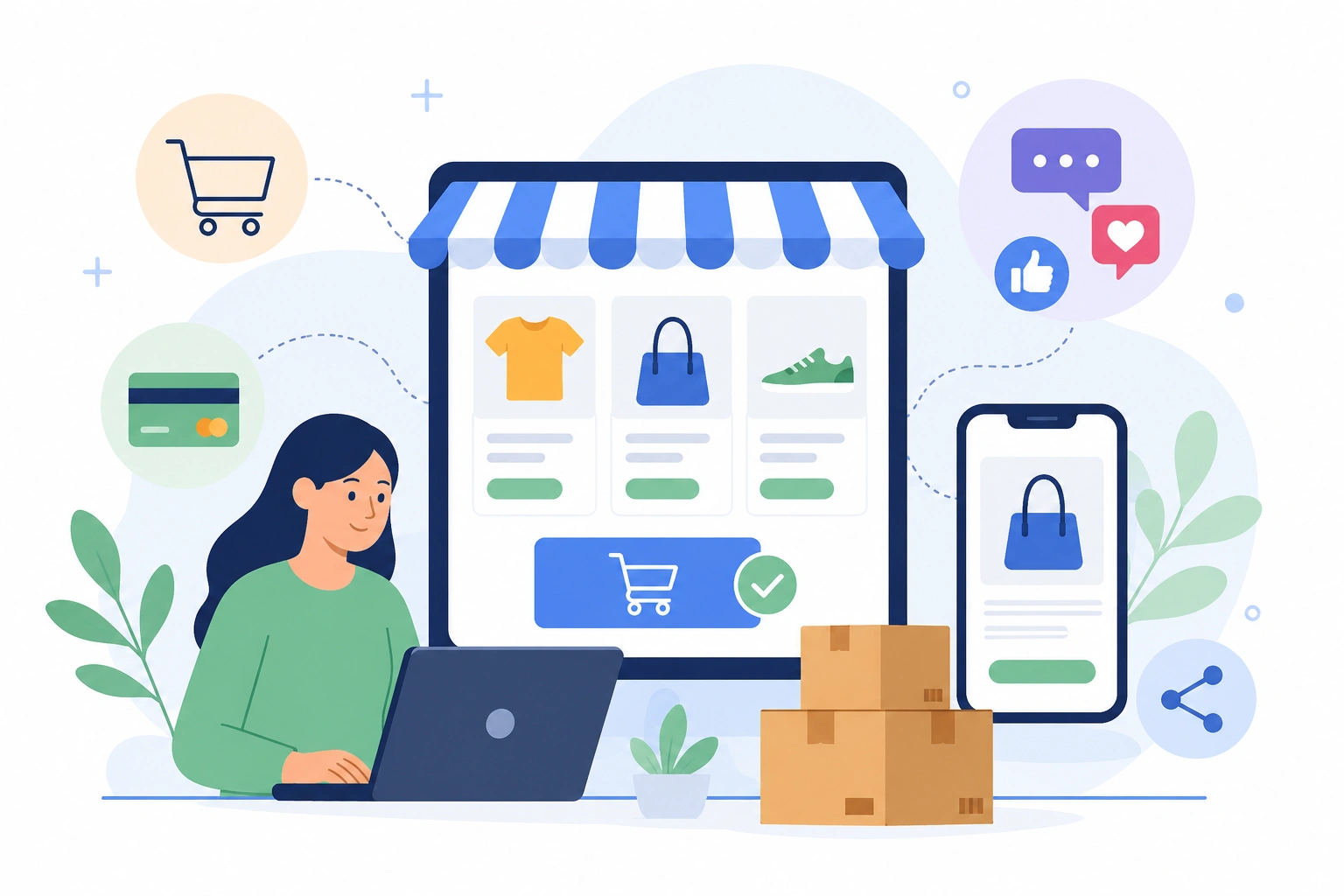
If you’re looking for the fastest way to connect with interested buyers, you can join many small businesses in selling through online marketplaces. You’re likely already familiar with this sales channel; popular options include
- Amazon
- eBay
- Etsy
- Facebook Marketplace
By selling through an existing online marketplace, you skip the setup process and quickly connect with potential buyers. This is especially beneficial if you work in a niche industry.
However, an existing platform will likely have conditions you must follow. Such stipulations may include fees (either per purchase or a recurring membership fee), limits on your on-platform branding, and barriers to your potential customers, because you won’t have control over the selling experience.
Because of their costs and requirements, online marketplaces are typically best used by businesses trying to sell physical products or test early market validation before selling on their own channels.
2. Sell directly on social media.

Nearly 60 percent of the global population uses social media; that’s 4.8 billion people. Therefore, many creators and small businesses use social media to sell directly to customers, and whether selling through Instagram, TikTok, Facebook, or a link in their platform bio, many businesses follow the same pattern:
- Brands post content advertising a product, encouraging users to interact for more information.
- When users interact with a post, brands then send a product or payment link through DMs.
- Users review the sent content and close their sale without ever leaving the social media app.
The challenge here is scaling sales that rely solely on DMs. Not only will you likely have to invest in automation to keep up with volume as your business grows, but you’ll also need to handle several background tasks (such as inventory management), which can be time-consuming at scale.
Thanks to its visual nature, social media is typically best suited for those selling products and services with high aesthetic appeal. You can also pivot to selling on social media if that’s where your brand has the strongest connection with your customers.
Pro Tip
If you’re planning to start an Instagram shop, check out our guide on how to sell things on Instagram without a website.
3. Create a no-code storefront or mini-store.
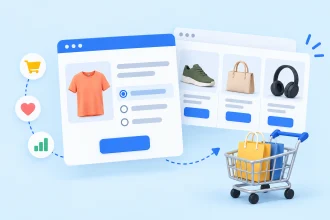
More robust than single order forms but less involved than e-commerce websites, no-code storefronts and mini-stores offer a middle ground for online businesses.
No-code storefronts can offer sellers with multiple products and repeat buyers a well-rounded online shopping experience, featuring the following elements:
- Product categories
- Images
- Shopping carts
- Branded links
These storefronts also benefit businesses searching for frictionless payment, thanks to their ability to receive online payments through your payment processor of choice. They also help promote your brand and increase consumer awareness.
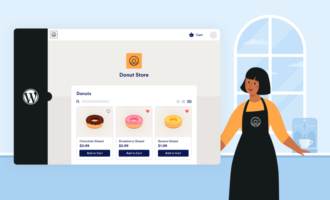
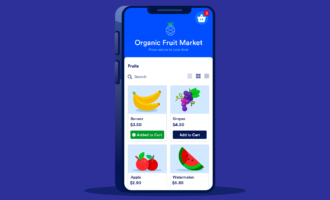
No-code storefronts feature templates (such as those featured in the carousel at the beginning of this section). With templates, you can create an online storefront that is visually appealing and conversion optimized without extensive design and development.
If this option feels right for you, Jotform Store Builder is the easiest way to get started. It provides more than 250 store app templates with design flexibility. You can pick the closest match to your brand, tweak it, and launch in minutes. Jotform also has over 40 payment integrations and integrates order forms directly into your storefront.
4. Use a payment form or order form.
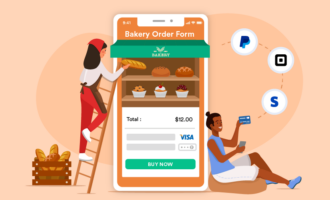
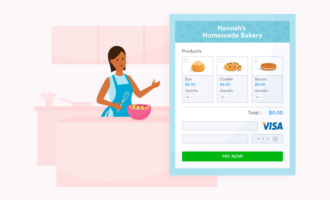
Forms are the simplest, most streamlined way to sell products online without a website. Relying on a form rather than a website lets you sell directly to customers with greater flexibility and ease. Forms can be easily customized using drag-and-drop form builders like Jotform, as well as through form templates.
If you use payment and product order forms, you’ll have a shareable link that can be copied and pasted anywhere, including
- Social media bios
- Emails
- Instant messages or texts
- QR codes
While they may not offer the robust capabilities that no-code storefronts do, forms best serve businesses that
- Sell a small product catalog.
- Take custom orders.
- Collect deposits or service fees.
- Run pre-orders.
- Gather event registrations.
Using forms, you can easily collect all the information necessary to close a sale without having to juggle multiple documents, digital workflows, and messages. If you choose to simplify your process with payment or order forms, Jotform can supercharge your online forms with advanced features, such as e-signatures via Jotform Sign or in-form payment collection, all without extra transaction fees.
5. Combine channels instead of choosing just one.
Each of these options works well on its own. But by combining multiple channels, you can create a more effective sales workflow without a website.
For example, you could use the following workflow to connect these methods:
- List products on an online marketplace to test market viability.
- Promote your products on social media to build brand awareness and connect with early-stage buyers.
- Build a shareable order form or no-code storefront to provide buyers with a direct-checkout option.
Selling online without a website is not an all-or-nothing decision. You can easily mix and match multiple methods once you find which options best address your needs.
How to choose the best no-website selling method
Your best avenue depends on your priorities. Those goals help make your decision clearer.
Consider how each selling method aligns with your situation:
- Online marketplaces work best if you need built-in traffic.
- Social media is for those who have an engaged, established audience.
- No-code storefronts give you a more robust, branded shopping experience.
- Payment or order forms offer full control over your sales and involve minimal setup.
If more than one of these options seems to meet your needs, mix and match them to build a custom strategy. But you can also get the benefits of all of these methods by using Jotform, an all-in-one platform for selling products or services online.
Pro Tip
Looking for dynamic selling formats beyond traditional digital storefronts? Read our step-by-step guide on how to do an online auction to engage bidders, set up custom submission forms, and collect payments without hosting a full website.
Start selling online with Jotform, no website required
If you want to control your selling process but aren’t interested in building a complex website, Jotform has you covered. With the Jotform Store Builder, you can have a branded, no-code storefront online in minutes.
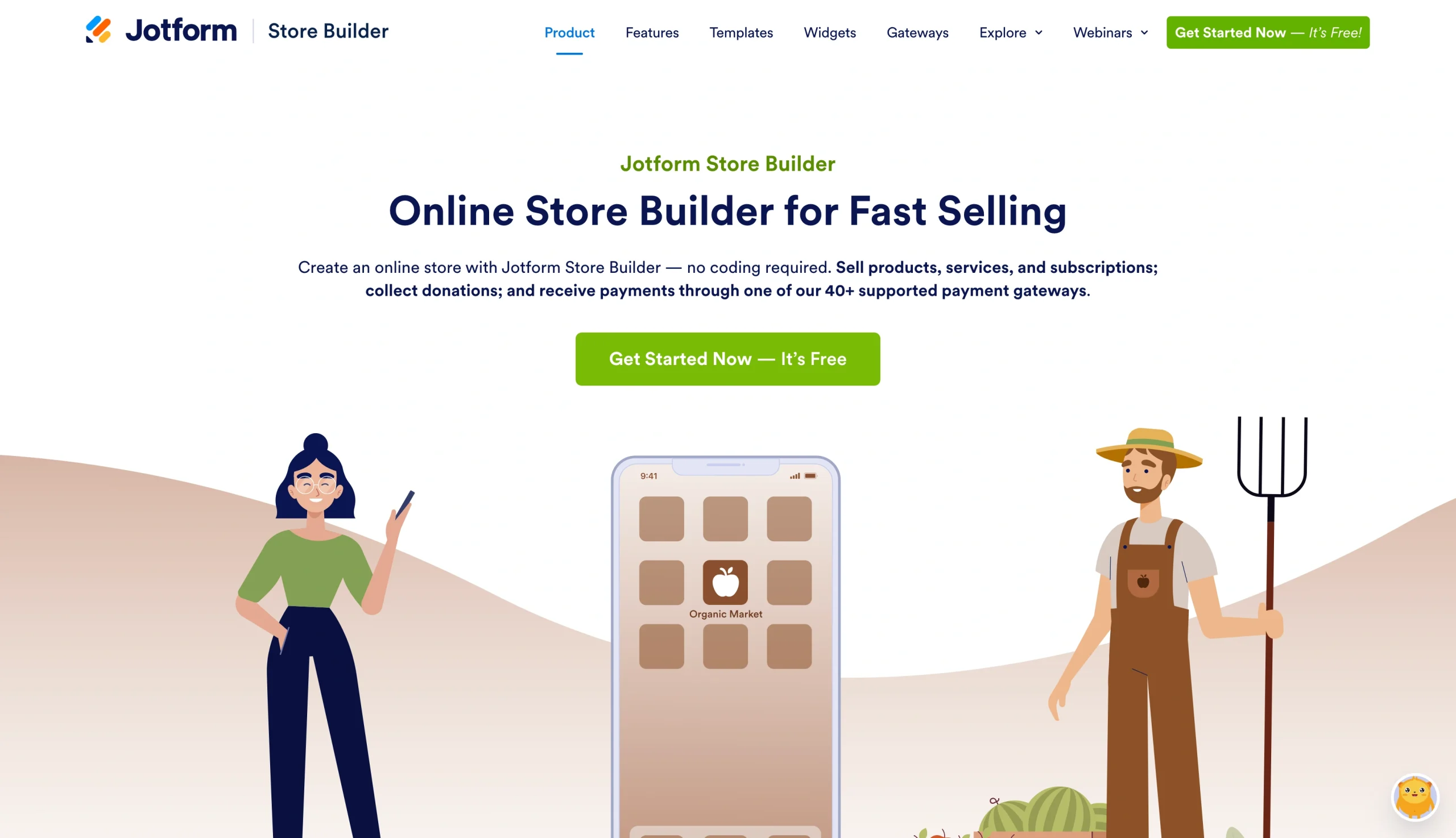
With this user-friendly online store builder, you won’t have to hire a web designer, developer, and manager. You can easily add images and details such as product descriptions and pricing. The storefront is transaction ready and offers customers more than a basic payment link.
Unlike marketplaces, Jotform lets you sell more than just products. You can also complete the following actions with your target audience:
- Sell your services.
- Subscribe them to your offerings.
- Register them for events or other opportunities.
- Help them make donations.
Customers touring your centralized shopping experience can browse, search, and add items to their carts.
Jotform stores are also easy to share with your target customers. You can publish your storefront and employ link-in-bio selling to direct users from your social media bio to the storefront to make a purchase. Share the link through email or generate it as a QR code; you can even embed your storefront into a website if you decide to launch one down the line.
No-code storefronts built with Jotform are mobile optimized, a must-have if you’re selling through social media. You can personalize your store to match your brand, including polished touches such as
- Logos
- Brand colors
- Layout design
- Widgets
Once your shoppers have found the items they want, they can pay directly in your storefront. Jotform supports more than 40 payment gateways and doesn’t charge extra transaction costs on top of your preferred processor’s standard fee.
If you’re on the fence about developing a website for your business, start with Jotform. Begin by generating a simple storefront with our no-code builder, and expand as you go, without having to start from scratch.
FAQs about selling online without a website
The easiest option will depend on the size and scope of your operations. Online marketplaces offer an easy way for businesses to connect with existing customers, but they will charge extra fees and limit your control. For full business autonomy, build a no-code storefront with Jotform Store Builder. It takes just a few minutes.
Consider using less-involved digital sales channels. For an experience similar to a website, you can build a no-code storefront with Jotform Store Builder. You can also use your social media pages to sell directly to existing followers or create a payment form to streamline the buying process even further.
E-commerce options such as Facebook Marketplace allow you to sell products for free but offer limited capabilities and lack branding. For a full-featured free option, try Jotform Store Builder. It lets you create a custom no-code storefront at no cost, and you can sell without additional charges beyond payment processor fees.
If you’re new to selling online, try a few easy methods. For simple online selling, you can build a payment or order form that’s easy to share. If you have a strong social media presence, use your channels to sell through the link in your bio or social commerce. For a complete shopping experience, generate an online storefront with Jotform Store Builder.
This article is for solo sellers, creators, side hustlers, service providers, and small business owners who want to start selling online quickly without paying for a full ecommerce website.



















































Send Comment: