
Nonprofits and charities run on the generous financial contributions of others, but money isn’t the only way people can support a cause. Their time and energy can be just as valuable as currency. Volunteers are often the people who make an organization’s mission possible, doing everything from staffing food drives and mentoring programs to helping with administrative work behind the scenes.
But people who are willing to help won’t materialize out of nowhere. Even the largest, most well-funded nonprofits rely on a base of consistent, committed volunteers, and building that base requires intention. Figuring out how to recruit volunteers can be just as challenging as fundraising — and just as important.
A strong volunteer recruitment process helps you avoid last-minute scrambles, staff burnout, and volunteers feeling unsure of their roles. With the right structure in place, recruiting becomes repeatable, scalable, and far less stressful.
In this blog, we’ll walk through what volunteer recruitment is, why it matters, and how to build a recruitment program that actually works, as well as practical ideas, examples, and tools you can use right away.
What is volunteer recruitment?
Volunteer recruitment is the process of attracting, selecting, and onboarding individuals willing to donate their time and skills to support a nonprofit or charitable organization. It goes beyond simply asking for help. Effective volunteer recruitment includes
- Identifying where you need help
- Defining clear volunteer roles
- Actively promoting opportunities
- Screening and onboarding volunteers
- Creating a positive experience that encourages people to return
When done well, volunteer recruitment helps organizations match the right people with the right tasks. Instead of scrambling to fill gaps, nonprofits can rely on a steady, motivated group of volunteers who understand the mission and feel valued.
Benefits of volunteer recruitment
Investing time in volunteer recruitment delivers long-term benefits that go far beyond filling shifts on a schedule.
Expands your organization’s capacity
Volunteers allow nonprofits to do more without dramatically increasing costs. With extra hands, staff can focus on strategic work instead of being stretched thin.
Builds community engagement
Volunteers often become your strongest advocates. They share your mission with friends, family, and coworkers, expanding your reach organically.
Brings diverse skills and perspectives
Many volunteers bring professional experience that nonprofits may not otherwise have access to, including marketing, design, accounting, and IT.
Improves program sustainability
A reliable volunteer base reduces staff burnout and creates continuity, especially for recurring programs or seasonal initiatives.
Strengthens donor relationships
Volunteers who feel connected to your mission are more likely to become donors, board members, or long-term supporters.
How to set up a volunteer recruitment program
Recruitment works best when it’s structured. Here’s how to build a clear, repeatable process.
1. Establish recruitment guidelines
Just as paid jobs come with titles, volunteers should have designated positions as well as duties and functions they’re responsible for fulfilling. This helps ensure volunteers are providing productive support to the organization. This clarity also helps volunteers align themselves with work that matches their skills and interests.
Here’s how to establish recruitment guidelines:
Determine where you need the most support
Every nonprofit is different and has its own challenges and needs. To figure out how to use volunteers most effectively, ask yourself these questions:
- Are there any important tasks or projects that we’ve neglected due to limited staffing?
- What would existing staff be able to spend more time doing if they had more support?
- Are there any upcoming campaigns or short-term projects that may need additional workers?
- Are there aspects of day-to-day operations that need additional support or attention?
Answering these questions helps you recruit with intention instead of urgency.
2. Set parameters for each role
Once you know where you need help, define specific volunteer roles. Each role should include
- A clear title
- Key responsibilities
- Required or preferred skills
- Time commitment (weekly, monthly, one-time)
- Duration (ongoing or seasonal)
Clear role descriptions attract better-matched volunteers and reduce frustration for everyone involved. If a role is seasonal or event-based, set specific dates so volunteers can plan accordingly.
3. Assess the number of volunteers you need
Consider both workload and timing when deciding how many volunteers to recruit. Too few volunteers can overwhelm staff, while too many can leave people feeling underused.
Think in terms of
- Volunteers per shift or event
- Hours needed per week
- Backup coverage for cancellations
Setting realistic targets helps create a balanced and engaging volunteer experience.
4. Assign a manager for recruitment
While managers, directors, and other stakeholders typically have the most insight into how many volunteers and which skill sets are needed, it may not be feasible for them to oversee recruitment efforts. Delegate volunteer recruitment and decision-making to someone within the organization, and communicate the needs of various departments frequently. When recruitment lacks clear ownership and communication, it can fall behind and leave the organization in a lurch when your staff most needs the extra support. Large organizations have dedicated volunteer recruitment managers and even entire departments.
5. Set recruitment strategies
When you’re considering how to recruit volunteers, proper marketing and outreach will be as important as being clear about the type of support you need. Most organizations successfully find volunteers using a few of the following sources:
- Volunteer recruiting platforms, such as VolunteerHub, VOMO, and Mobilize
- Personal recommendations and word of mouth from current employees
- Existing donors who also want to volunteer
- Word of mouth from other nonprofits and charities
- Community events, festivals, or college campuses
- Posts on Facebook, X, Instagram, and LinkedIn
- Monthly newsletters, magazines, or community bulletin boards
6. Screen potential volunteers
Recruiting volunteers is similar to hiring, just with a different goal. Review applications carefully to understand
- Why applicants are interested in your cause
- What skills or experience they bring
- What they hope to gain from volunteering
Meet with top candidates to ensure a good fit. For large events, group interviews can speed up the process while still providing meaningful interaction.
10 volunteer recruitment ideas to try in 2026
If your organization relies on volunteers, it helps to think beyond a single “Sign up here” post. Different people are motivated by different things: flexibility, impact, learning opportunities, or social connection. The following ideas can help you reach a wider audience and lower the barrier to getting involved.
1. Host volunteer open houses
Volunteer open houses give people a chance to learn about your organization without committing up front. Instead of asking for immediate sign-ups, invite potential volunteers to meet staff, tour your space, and hear about your mission in a low-pressure setting.
These events work especially well for people who are curious but hesitant. You can end the session by sharing a few current volunteer roles and letting attendees decide what, if anything, feels like a good fit.
2. Create short-term or micro-volunteering roles
Not everyone can commit to weekly shifts or long-term programs. Micro-volunteering opportunities (tasks that take a few hours or a single day) make it easier for people with busy schedules to participate.
Examples include helping at an event check-in desk, translating a document, organizing supplies, or assisting with a one-day campaign. These roles often serve as a gateway, helping people gain confidence and potentially commit more time later.
3. Highlight real volunteer stories
People connect with people. Sharing volunteer stories helps potential recruits visualize themselves in the role and understand the impact they can make.
Feature short testimonials on your website, social media, or newsletters. Focus on why volunteers joined, what surprised them, and how the experience made them feel. Authentic stories are often more persuasive than polished marketing copy.
4. Partner with schools and universities
Students are naturals for volunteer recruitment. Many need community service hours, internships, or hands-on experience related to their studies.
Reach out to high schools, colleges, and student organizations to share opportunities. Be clear about expectations and time commitments, and provide documentation about the roles. Well-structured volunteer roles can benefit both students and your organization.
5. Invite donors to volunteer
Many donors want a deeper connection to the causes they support financially. Inviting them to volunteer, even for a single event, helps strengthen that relationship.
Promote volunteer opportunities in donor newsletters or thank-you emails. Position volunteering as another way to engage with your mission, not as an obligation. Donors who volunteer often become long-term advocates.
6. Offer skill-based volunteering opportunities
Some people want to contribute using their professional skills rather than general labor. Skill-based volunteering roles might include marketing support, graphic design, bookkeeping, data analysis, or IT help.
Clearly describe what skills are needed and how they’ll be used. These roles can deliver high value to your organization while giving volunteers a strong sense of purpose and accomplishment.
7. Create a referral culture among current volunteers
Your existing volunteers are one of your most effective recruitment channels. If they enjoy their experience, they’re likely to recommend it to friends, family, or coworkers.
Encourage referrals by making it easy to share opportunities. You might also recognize volunteers who bring others on board; even simple thank-you messages can reinforce positive behavior.
8. Promote one-time event roles as entry points
Large events often require extra help and attract people who wouldn’t normally volunteer. Promote these opportunities as one-time commitments with clear start and end times.
For many volunteers, a single event is a low-risk way to get involved. Afterward, follow up with a thank-you message and information about future opportunities to keep the relationship going.
9. Use clear calls to action on social media
Social media posts that say “We need volunteers” are easy to overlook. Posts that explain who, when, and why tend to perform better.
Instead of a general request, try something specific: “We’re looking for 10 volunteers this Saturday to help distribute food to families in our community.” Clear details help people decide quickly whether they can help.
10. Reengage past volunteers
Past volunteers are often the easiest people to recruit. They already know your organization and mission. Many simply drift away due to life changes or lack of follow-up.
Send occasional check-ins or updates highlighting new opportunities. Even a brief message acknowledging their past contribution can reopen the door and make them feel valued.
How Jotform can help recruit volunteers
Volunteer management requires a lot of focus, but there are many tools available to speed up and simplify recruitment.
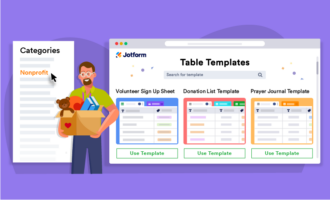
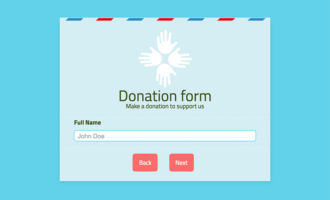
Jotform has more than 20,000 templates available for organizations to streamline their daily business processes, including templates for volunteer applications, registration forms, and volunteer sign-up sheets. Even municipal organizations can benefit from Jotform’s volunteer and community service forms.
Volunteers are the lifeblood of many nonprofits and charities, but recruiting them can sometimes take more time and energy than existing staff can handle. Jotform‘s powerful form creation and management tools can drastically streamline the recruitment process and help an organization increase productivity immediately.
This article is for nonprofit and charity teams who need a repeatable way to find, screen, and onboard volunteers, plus anyone planning community programs that depend on reliable volunteer support throughout the year.









































































Send Comment: