

4 ways to improve patient outreach
The bad news is that 55% of patients are willing to switch providers based on their communication expectations because they’re unsatisfied with how information is shared before and after care. The good news is that there are steps you can take to reengage current patients and attract new ones. Effective patient outreach is the foundation of both retention and growth.
Patient outreach is just what it sounds like — reaching out to existing and potential patients as a way to bring them into your medical practice — and it directly affects patient satisfaction, continuity of care, and long-term loyalty. It’s never been more important. In the U.S., hospital care spending reached $1.5 trillion in 2023 and $1.6 trillion in 2024, making it a competitive market that offers patients more options than ever.


4 ways to improve patient outreach
Here are four ways you can optimize your patient outreach efforts and continue to sustain and grow your practice.
1. Personalize communication
Personalized communication is a way to reach out to patients and provide them with tailored messaging based on their specific needs and where they are in their healthcare journey.
While you might think that email or phone calls are the best ways to communicate with patients, a 2024 consumer satisfaction survey reported a 7.4% SMS response rate versus a 2.0% email response rate, when collecting feedback. Because text messages are immediate and mobile-first, patients are more likely to engage with them.
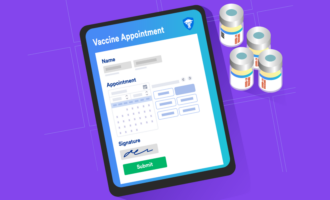
By using automated patient outreach via text, practices are better able to communicate messages at scale, therefore improving coverage across their entire patient population. Using segmented patient data ensures that reminders and follow-ups are relevant, timely, and actionable. Patients can receive reminders about important screenings, upcoming vaccinations, wellness visits, and other preventative care that’s vital to continued health.
In addition, you can personalize messages for certain conditions. For example, a specific patient outreach effort could focus on adults ages 45–70 who are at a higher risk of hypertension. Personalized text messages could prompt them to schedule a health screening or check-in visit.
2. Effectively manage referrals
Referral management is one of the most overlooked yet high-impact patient outreach strategies. In 2025, Healthwatch England found that 14% of referrals were getting “stuck” between GPs and hospitals, and 70% of patients said they had to chase their referral because they weren’t told what was happening.
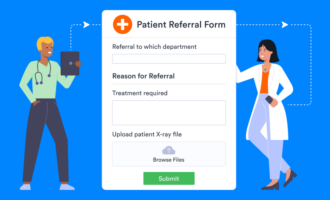
Because of this breakdown, the responsibility falls on the medical practice to manage referrals proactively. Effective referral management requires clearly defined staff roles, structured workflows, and information systems that track patient progress from referral to follow-up.
Make sure you’re supporting referred patients by giving them clear next steps, appointment scheduling support, and follow-up reminders. Tracking referral outcomes improves continuity of care, reduces patient drop-off, and strengthens provider collaboration.
3. Invest in outreach staff
Patient outreach often falls behind because most practices are focused on in-office care. However, patients evaluate healthcare experiences across their entire journey, not just during appointments.
In fact, 95% of U.S. consumers say having a good patient experience is “very” or “extremely” important, and good service includes proactive communication outside the exam room.
Consider hiring or assigning patient outreach staff whose primary role is communicating with current patients and engaging potential patients. This outreach can include personalized emails, text messages, appointment reminders, and community events. Because patients feel supported between visits, practices see better health outcomes, fewer no-shows, and increased referrals.
4. Leverage technology and online forms
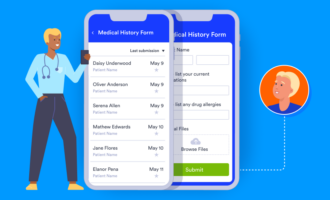
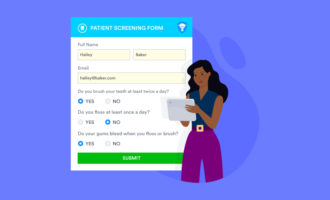
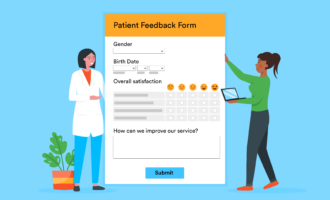
Technology enables scalable, measurable, and compliant patient outreach. Online forms are one of the most effective tools for collecting patient feedback and identifying engagement gaps.
Do you know how your patients feel about your practice? Is there a reason they’re not responding to your outreach? Patient feedback data answers these questions directly.
In The Beryl Institute–Ipsos PX Pulse survey (U.S.), 95% of respondents said having a good patient experience is ‘very’ or ‘extremely’ important, which is why patient satisfaction surveys like those from Jotform are so important.
These surveys ask patients to rate their experience — from wait times to follow-up communication — and provide actionable insights into operational improvements. Because the data is structured and measurable, practices can identify trends and make targeted changes quickly.
Along with online forms, practices can also improve their patient outreach by monitoring things like automated dashboards, opt-out rates, and response rates, and then adjusting their practices. Tracking these metrics helps refine communication strategies and increase patient engagement over time.
Pro Tip
Medical apps don’t just support patient outreach, they also streamline scheduling, documentation, compliance, and follow-up communication.
Perfecting your patient outreach strategy
Patient outreach is critical to maintaining a satisfied patient base and attracting new people to your practice. Equipped with the right information, you’re better able to tailor your messages and meet the needs of the patient population — both those who already rely on you for care and guidance and those who may do so in the future.
This article is for medical practice owners, healthcare administrators, and patient experience teams, and anyone who wants to improve patient outreach to increase engagement, reduce missed appointments, and retain patients through better communication and follow-up.



















































































Send Comment: