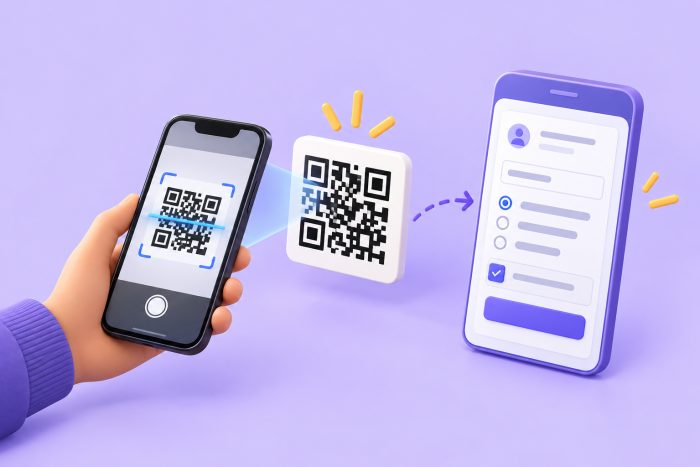
One of the biggest challenges to collecting feedback is getting people to take the time to answer. But if the process is easy, people are more likely to participate. With a QR code survey, you can collect feedback in the moment (at an event or class or as you’re running your business), right from a smartphone.
Most people can use QR codes effectively. In one study, all respondents thought QR codes were “extremely easy” to use, and it took them an average of 12.4 seconds to complete the required task using a code. Including a QR code option could bring you more survey participants. So how can you use QR codes in marketing and other surveys to get the results you need?
This guide walks you through creating a QR code survey with Jotform, generating the QR code, placing it effectively, and tracking your results. It also provides 10 use cases for integrating QR codes in your surveys. Jotform is tailor-made for QR code surveys and provides a central place to handle all these tasks.
1. Start with a template.
Before creating your QR code, consider when and where respondents will encounter it. The best surveys focus on a specific interaction and include questions that can be answered quickly. Once you know what you want to learn and how you’ll ask about it, you can build a survey that encourages the most useful responses.
You don’t have to build your survey from scratch. Start with a survey template. Jotform has thousands of survey templates to collect customer feedback, gauge customer satisfaction, get your Net Promoter Score (NPS), and gather event or employee feedback. You can customize the text and design using the platform’s intuitive drag-and-drop editor.
Pro Tip
Users who prefer conversing with AI can use Jotform AI throughout this process. Try using this prompt to start your survey: “Provide a template I can use for a customer satisfaction QR code survey.”
2. Customize questions to match your survey’s goal.
Each survey has a different audience and desired outcome, so you need to tailor your questions to match the survey’s goals. Consider the fields you need, such as a simple rating or open text. Create space for other details you may need (e.g., a customer’s personal information and location).
It’s also a good idea to include a place for participant consent. For example, you may want permission to use a quote on your website or ask if you can contact a participant about their responses after they take the survey.
Your final survey should include everything you need to understand your audience better and improve on your end.
3. Use conditional logic to maximize feedback opportunities.
You can also set conditions to make your results more meaningful. For instance, a low rating from a customer could trigger follow-up questions to find underlying reasons. A high rating could automatically send a request for more information on what went well.
Setting rules gives you more opportunities to interact with and gather feedback from people who are already taking the time to answer.
4. Share the survey with a QR code.
A QR code can be your primary format for sharing, or you can include a QR code alongside a survey link for easier access.
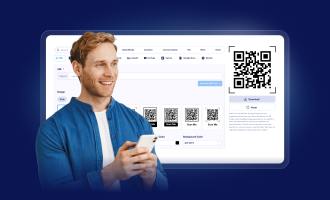
Jotform is a one-stop shop. If you use it to create your survey, you can also use the QR code generator. Choose your ideal design from the platform’s many options.
Create QR Codes in Minutes
5. Master QR code placement to increase participation.
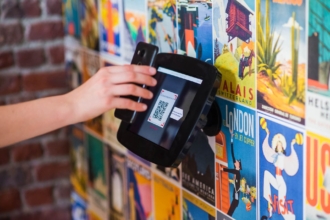
Place the QR code where respondents are most likely to scan it. Restaurant owners, for example, might want to place the code where customers will see it when they’re done with a meal (e.g., on a receipt). Teachers could consider putting the code on a handout or in follow-up communications.
Keep the code large enough to scan easily, and avoid placing it where a glare or poor lighting could make scanning difficult. Avoid placing the code somewhere people will see it only for a few seconds. Test the code from the distance and angle respondents will encounter it.
Make sure people know exactly where the QR code will take them. The accompanying signage can help, for example, a sign with the question “How did we do today?” displayed above the code.,
Visibility can boost survey participation. QR codes help with that.
6. Use Jotform Tables for tracking survey responses.
Responses mean little without a central place to track them. With Jotform Tables, you can see all survey responses instantly. You don’t have to worry about copying text to a separate spreadsheet or collecting paper copies.
7. Track analytics to improve your approach.
Jotform also provides the Report Builder and form analytics tools to turn your survey results into actionable, shareable insights. You’ll be able to see stats like the following:
- Number of users who scanned the QR code
- Number of repeat users
- Kinds of devices participants used to scan the QR code
- Time and day people were more likely to scan the code
- Locations of respondents
You can then use this data to further customize your form. The right insights help you identify patterns that aren’t always obvious from individual responses. Comparing QR code scan activity with completed surveys can also help you identify where respondents may be dropping off.
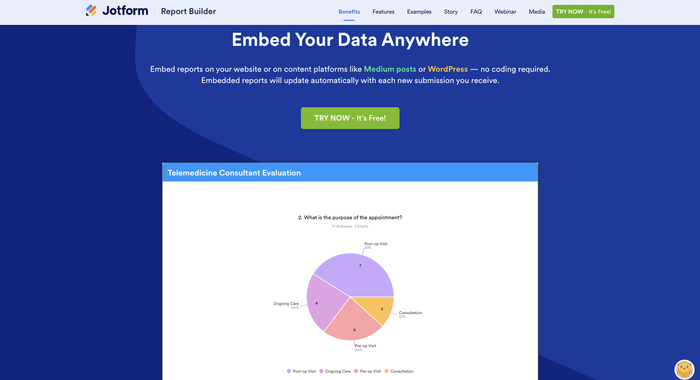
8. Export responses for continuous reference.
The work still isn’t done. Use Jotform to export your responses and draft customer experience reports or create event recaps. This function is also handy if you need to share class records or send a review to HR.
Pro Tip
Use Jotform Apps for a complete feedback hub. It can house multiple surveys, resources, links, and reports in one location.
10 QR code survey ideas by use case
Now that you know they’re easy to create, how will you use QR code surveys? They’re administered across many industries for many purposes. Consider these QR code examples when creating your strategy for gathering feedback:
1. Customer satisfaction survey
Use a customer satisfaction survey after a recent customer interaction to measure service quality, ease of experience, or whether you met the customer’s needs. The QR code can be placed on a receipt, in an invoice, or at the checkout counter.
2. Restaurant feedback survey
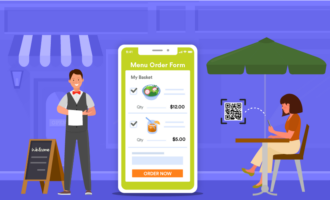
These help you measure factors like food quality, service, wait times, cleanliness, and dining satisfaction. The QR code can appear on receipts and on menus, napkins, or takeout packaging.
3. Event feedback survey
After events, send surveys to attendees about the programming, speakers, venue, or their likelihood of attending an event again. Place the QR code on any print materials used, such as programs or name badges, and include it on venue signage and in follow-ups.
4. NPS survey
The NPS measures how likely customers are to recommend the company, product, or service to a friend or colleague. The survey is effective because it uses a single question to get their attention. Then, once they’ve tapped your link, you can include a follow-up question to collect their rating. The QR code can be placed at a natural interaction point, for example, on receipts, packaging, confirmation pages, or follow-up materials. Jotform’s NPS® Survey Tool makes it easy.
5. Employee pulse survey
Keep tabs on how employees are feeling through an employee QR code survey. This can measure engagement, workload, morale, or confidence in leadership. Place the QR code in employee gathering areas (such as break rooms), in internal communications, and at team meetings.
6. Training feedback survey
Survey participants can tell you how useful, relevant, and understandable the training was after it’s over. The QR code could go on the final slide in a presentation, handouts, completion materials, or signage that people will see as they are leaving.
7. Product or post-service feedback survey
After a customer uses a product or receives a service, measure their satisfaction with ease of use, product quality, and features, and collect information on how you can improve. Product packaging and inserts, manuals, service summaries, receipts, and confirmation emails can be good places for the QR code or link.
8. Patient or visitor feedback survey
Gauge patient or visitor satisfaction with a hospital or clinic experience, including wait times, communication, staff interactions, and accessibility. Have the QR code for the survey visible in waiting rooms and reception areas and on discharge materials.
9. Classroom feedback survey
QR code surveys are effective ways for students to provide feedback after a course, giving information about the class’s clarity, the instructor, their engagement, and the pace and materials. They can also report areas for which they need extra support. QR codes can be presented on classroom slides or handouts, or in student portals.
10. Volunteer feedback survey
QR code feedback forms are perfect for following up with volunteers after events. Ask participants about communication, training, scheduling, and satisfaction. QR codes should be accessible on volunteer badges, checkout materials, handouts, or post-event communications.
Create your QR code survey with Jotform
Surveys are fast, easy ways to gather the information and feedback you need, whether for a business, healthcare organization, or classroom. QR codes are versatile, cost-effective, and simple to use, and a QR code survey makes it even easier for people to participate and for you to gather insights.
Use Jotform’s free online survey maker if you’re not sure where to start. We also provide satisfaction survey templates. You choose between static and dynamic QR codes. The Dynamic QR Code widget allows you to create unique codes based on how users answered previous questions.
Best of all: You can track all responses and data in one organized dashboard.
Get started with your Jotform QR code survey now.
FAQs about QR code surveys
Look for a survey tool that is easy to use and that allows you to share your survey and track and store data. Jotform gives you everything in one place, including an intuitive survey maker, QR code generation, tracking, and insights.
Open the camera on your phone, and point it at the QR code. A link should appear on your screen. Tap it to open the survey, and then complete and submit the QR code questionnaire. Make sure the QR code is well lit so you can scan it properly.
Your smartphone’s camera app is the fastest, easiest way to scan a QR code. When the link appears, it will open in your internet browser within seconds. Most modern smartphones can scan QR codes via the camera so you don’t have to download a separate QR-code-scanning app.
Use a QR code generator or a survey platform (like Jotform) that has one built in. Paste in the URL of your survey, generate the code, and download it as an image. You can then use it however you want. Be sure to test the QR code with your phone before sharing it.
This article is for marketers, customer experience teams, event organizers, educators, restaurant owners, retail managers, HR teams, and small businesses that want to collect survey responses in physical or high-traffic spaces. They need a simple way to connect an online survey to a QR code, place it where respondents can scan it, and track responses without relying on paper forms or long URLs.











































Send Comment: