
In the evolving landscape of education technology, interactive learning platforms like Blooket and Kahoot! have changed the classroom experience. These tools are redefining how students engage with and absorb information. To understand their impact, let’s delve into what these platforms do and how each enhances the educational experience.
Blooket vs Kahoot!: Overview of gamified learning platforms
Blooket and Kahoot! are two of the most widely used tools for turning lessons into interactive, game-style experiences. Both help teachers increase engagement, boost motivation, and make content more memorable — but they do it in different ways.
While they share core features like customizable quizzes and student-friendly design, their gameplay, pacing, and classroom impact vary. Knowing those differences can help you choose the tool that best supports your goals — whether that’s encouraging participation, tracking progress, or just making learning more fun.
What is Blooket?
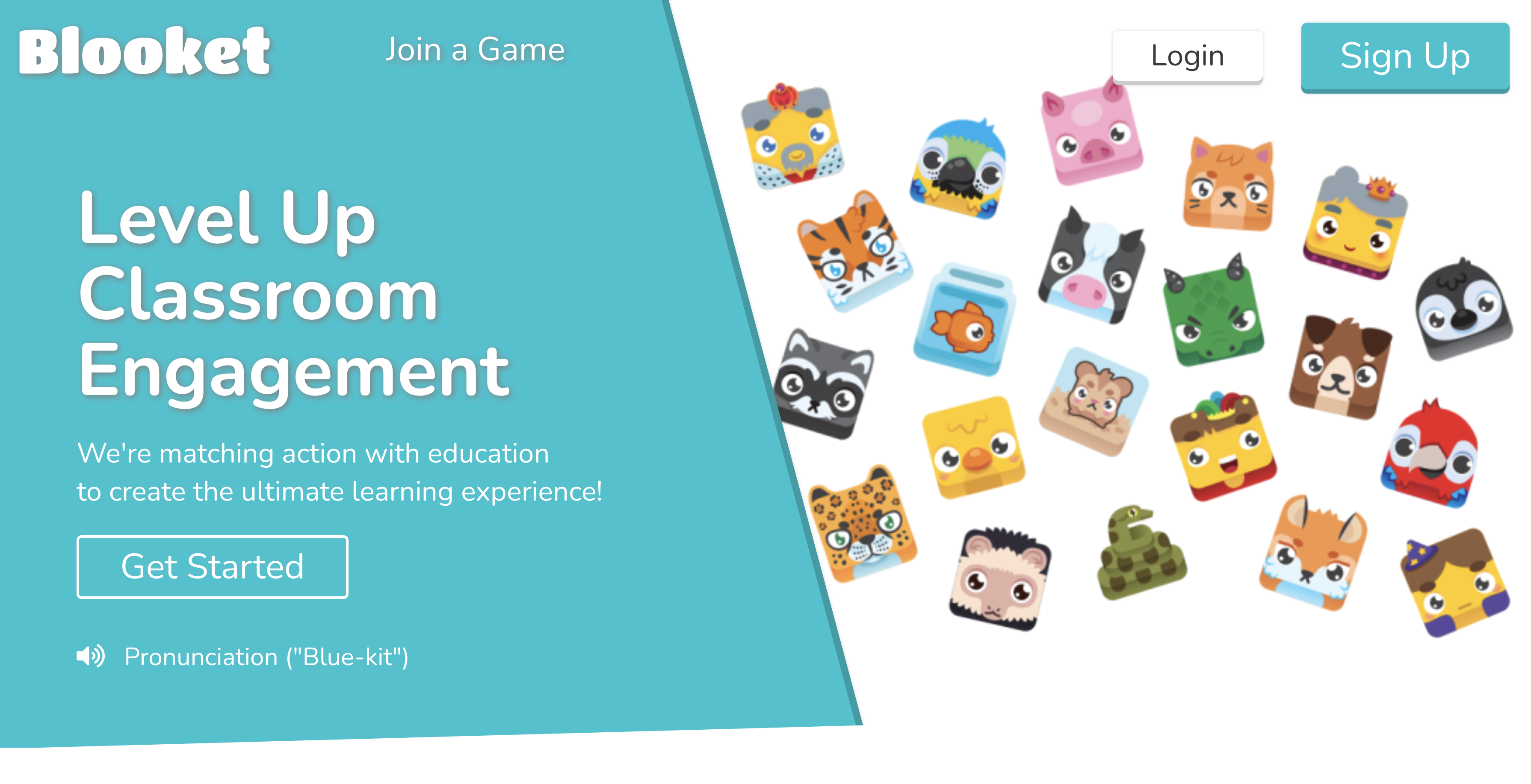
Blooket is a dynamic, game-based online learning platform. It allows teachers to create and host quizzes in a variety of game modes, keeping students engaged and focused. Since it’s a web-based platform, it’s super simple to use and share with your students.
- Best for: Real-time quizzes in medium-to-large groups
- Key features: Multiple game styles with unique mechanics, customizable quiz sets, live hosting or homework mode
- Engagement: Blooket combines quizzes with fun games that feel like you’re playing, not studying; each mode has a different goal — like collecting items or battling others — which keeps things fresh; students can replay games to improve their scores and try new strategies; its bright visuals and fast feedback make it a good fit for younger learners who enjoy interactive challenges
- Pros: Highly engaging for younger audiences, easy to customize content, encourages replay and retention
- Cons: Learning may take a back seat to gameplay, free tier offers limited reports
- Plans/pricing:
- Starter (free)
- Plus ($4.99 per month, charged yearly at $59.88)
- Plus Flex ($9.99 per month)
- G2 rating: 4.9/5
What is Kahoot?
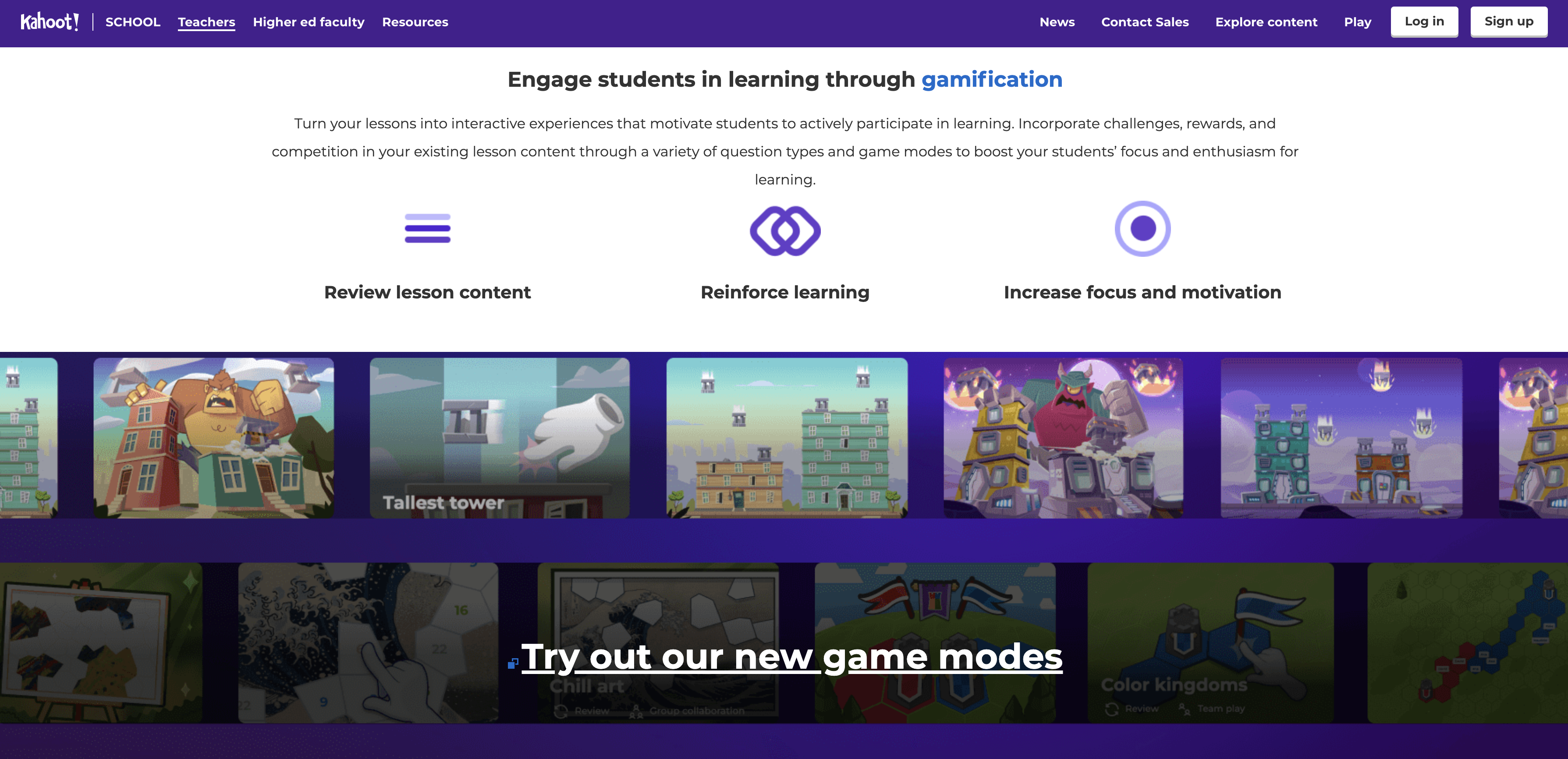
Kahoot! is another well-established interactive, game-based educational platform. It’s known for making it easy to create quizzes, either from scratch or using templates. Kahoot! aids teachers in setting learning objectives and tracking student progress.
- Best for: Younger learners who enjoy fast, playful game modes
- Key features: Real-time quiz engagement, large library of ready templates, team-based game support
- Engagement: Kahoot! is built for real-time quizzes where everyone joins in at once; the countdown, music, and leaderboard create a high-energy setting that keeps students focused; it’s simple to use and great for warm-ups, reviews, or group competitions — especially in larger classes or with older students
- Pros: Very easy to set up, suitable for large student groups, good for objective-based assessment
- Cons: Limited variety in gameplay, premium plans can get expensive
- Plans/pricing:
- Plus Bronze ($3 per month, billed annually)
- Plus Silver + AccessPass ($7 per month, billed annually)
- Plus Gold ($12 per month, billed annually)
- One ($19 per month, billed annually)
- G2 rating: 4.6/5
Both platforms offer interactive, quiz-based learning experiences, but their approach and execution differ.
Comparing features in depth: Blooket vs Kahoot!
When choosing between Blooket and Kahoot!, understanding the detailed features of each platform help you make an informed decision. Here’s a deeper look into their unique attributes.
Blooket
- Game modes: Blooket sets itself apart with various game modes, each offering a unique way to engage with quiz content. These modes cater to different learning styles and keep the experience fresh and exciting for students.
- Customization: Teachers can significantly customize the gaming experience in Blooket, tailoring it to the needs and interests of their students.
- Assessment and feedback: Blooket is great for assessments, providing immediate feedback to both students and teachers. Educators can also track student performance and identify areas that need more attention.
- Analytics: It offers reports on student performance, allowing educators to track progress and identify areas for improvement.
- Pricing: Blooket operates on a freemium model, offering a basic free version with optional paid upgrades. The Plus version costs $4.99 per month (billed annually) and includes additional features such as exclusive game modes and advanced reports.
Kahoot!
- Easy quiz creation: Kahoot! is renowned for its user-friendly interface, which makes it simple to create engaging quizzes. The platform offers a range of templates to get started quickly.
- Real-time feedback: Kahoot! excels in providing immediate feedback during quizzes, which is crucial for interactive learning and keeping students engaged.
- Scalability: It’s well-suited for larger groups and can facilitate quizzes with hundreds of participants, making it ideal for larger classes or even school-wide events.
- Integrations: Kahoot! offers integrations with other educational tools and platforms like Google Classroom, enhancing its utility in a connected classroom environment.
- Pricing: Kahoot! has a free basic plan as well as paid tiers. Kahoot!+ Start is $3.99 per month per teacher. Kahoot!+ Premier is $7.99 per month per teacher, and Kahoot!+ Max is $9.99 per month per teacher (currently discounted from $12.99). It also has a different pricing structure for teams and schools, with plans starting at $12.49 per month per teacher. The price per teacher decreases as more teachers are added to the plan.
A comparison of similar features
- Messaging and notifications: Both platforms have mechanisms for communication and alerts, and Kahoot! has a more developed system for real-time interaction during quizzes.
- Learning analytics: Blooket’s data focuses more on individual student progress, whereas Kahoot! provides a broader overview of class performance.
- Customization and flexibility: Blooket offers more in terms of game customization, while Kahoot! provides greater flexibility in quiz creation and execution.
- Platform accessibility and device compatibility: Both platforms are accessible via web browsers and join codes, making them easy for students to use across devices.
- Usage modes (live vs asynchronous): Both support live class quizzes and homework/assignment modes, allowing teachers to choose between real-time engagement or self-paced play.
Additional key differences
- Gameplay approach: Blooket prioritizes arcade-style fun and game modes (like “Tower of Doom”), while Kahoot! emphasizes structured quiz formats with speed and accuracy in competition.
- Pre-made content library: Kahoot! has a much larger library of ready-to-use quizzes, while Blooket relies more on teacher-built sets and more game mode variation.
- Replay-based reinforcement: Blooket offers strong replay potential, allowing students to play the same question set across different game modes to reinforce learning, whereas Kahoot! is more geared toward one-time live sessions.
- Integration with external tools and scalability: Kahoot! tends to offer stronger integrations (e.g., with Google Classroom) and scalability for large groups, whereas Blooket is less focused on enterprise and large-group features.
- Free vs paid feature access: Blooket’s game mode variety and free tier are generous, but its question type variety and reporting are more limited. Kahoot’s core features are robust, but many advanced options are behind a paywall.
Choosing your digital education tools
When deciding between Blooket and Kahoot!, several key considerations can guide your choice:
- Learning objectives: Choose Blooket for a diverse, game-based learning experience aimed at high student engagement. Opt for Kahoot! if you prefer traditional quiz formats with real-time feedback — ideal for objective assessments and progress-tracking.
- Class size and age range: Blooket suits a variety of class sizes and is particularly appealing to younger students. Kahoot!’s scalability and ease of use make it practical for larger or more diverse age groups, including adults.
- Technology integration: If your teaching environment already incorporates various digital tools, Kahoot!’s better integration capabilities might be an advantage, while Blooket is a stand-alone gaming platform.
Both platforms have distinct strengths; the one you choose should align with your educational goals, student demographics, and the level of engagement and interaction you need in your learning environment.
Consider a versatile alternative: Jotform
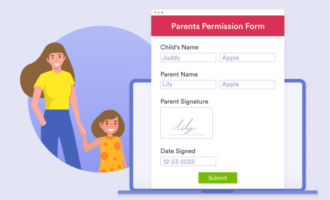
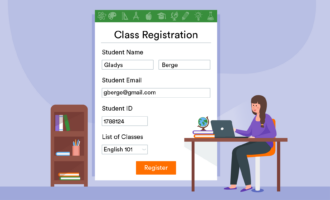
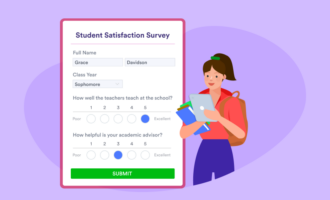
Jotform stands out as a versatile tool that complements or even replaces these platforms, especially with its attractive discount offers for educators. With its drag-and-drop test generator, integration of multimedia like YouTube videos, and a range of templates for quizzes, forms, and tables, it provides a flexible solution. Jotform Apps further enhances this by allowing teachers to create or customize their own quiz apps. Notably, Jotform offers a free plan and extends a 50 percent educational discount for paid tiers. Educational institutions are also eligible for a 30 percent discount on Jotform Enterprise, making it a cost-effective choice. Try Jotform for free today.
Blooket vs Kahoot!: which one is the best?
The best platform for your classroom depends on how you teach and what your students respond to. Here’s a quick rundown to help you choose:
- Blooket: Blooket turns lessons into games — literally. With arcade-style modes and repeatable gameplay, it’s great for younger students or classrooms that thrive on movement and energy. Students can revisit the same material through different game formats, which keeps things fresh and reinforces learning. It’s less structured than other tools, but the fun-first design makes it a go-to for boosting engagement.
- Kahoot!: Kahoot! is all about structure, speed, and live participation. It works well for real-time quizzes, quick comprehension checks, and high-energy review sessions. The leaderboard and timed questions add friendly competition, especially in larger groups. It’s a reliable pick for middle school, high school, and even adult learners.
- Jotform: Jotform offers more control and flexibility than traditional quiz tools. You can build custom assessments with multimedia, logic-based flows, and automated responses — making it ideal for assignments, feedback forms, or self-paced learning. Features like auto-grading and mobile-friendly design help streamline your day-to-day, too, and it scales easily for both individual teachers and full schools.
Pro Tip
Want tools that save you time and boost student engagement? Explore the top-rated education software to find your next classroom favorite.
Frequently asked questions
Many schools are exploring Blooket because it offers more game variety and student-driven engagement. While Kahoot! focuses on timed, question-based competition, Blooket integrates arcade-style modes that can make learning feel like play. Teachers also appreciate its homework mode and the ability for students to replay games, helping with retention and long-term learning.
Blooket still offers a free plan, which allows teachers to create and host quizzes. However, the free version comes with limited analytics and fewer game modes.
Photo by Max Fischer


































































































Send Comment: