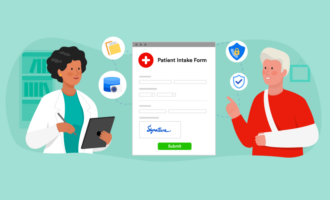
In 2026, the “digital front door” of your healthcare practice isn’t just a convenient add-on, it sets the tone for the entire patient experience. The gold standard for patient care today is a hybrid intake model: a digital-first workflow for administrative tasks paired with high-touch, in-person medical attention.
However, a clunky, hard-to-navigate portal can actually increase administrative friction rather than solve it. To stay ahead, healthcare providers are moving away from rigid, legacy systems and toward flexible, no-code patient portals that prioritize the user experience.
If you’re modernizing your tech stack this year, here are the five non-negotiable features your patient portal needs to drive engagement and reduce no-shows.
1. Internal SSO: Security for every collaborator
In a healthcare environment, you often need to share data, forms, or workspaces with guest users, like consultants or administrative staff from other departments, who are part of your broader organization.
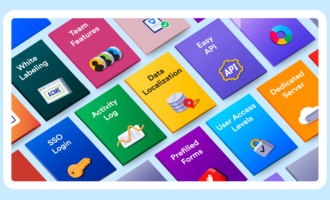
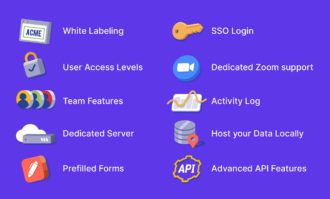
By enforcing single sign-on (SSO) for guest accounts, Jotform Enterprise ensures that anyone accessing sensitive internal data is verified through your company’s existing identity provider. This eliminates the “forgotten password” hurdle for your colleagues while ensuring that sensitive health data remains protected with enterprise-grade security.
Pro Tip
Note on patient access: While SSO is the gold standard for internal security and cross-departmental collaboration, it’s designed for users within your organization’s ecosystem. For external patients, Jotform offers alternative secure access methods that don’t require them to be part of your SSO directory.
2. True self-service scheduling
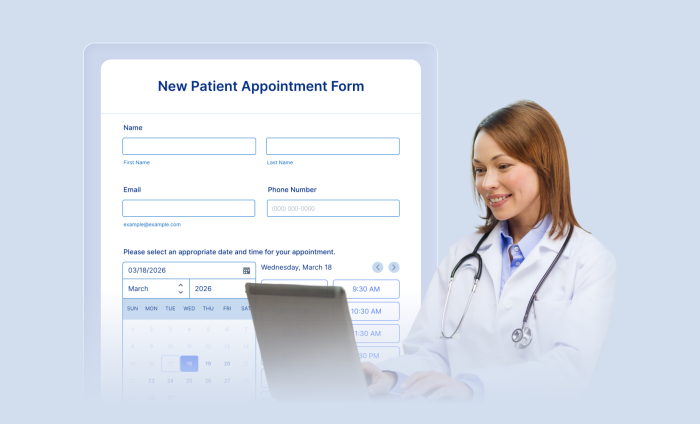
The “please hold” phone experience is officially a relic of the past. A modern portal should offer real-time, self-service scheduling that syncs directly with your clinic’s calendar.
When patients can view available slots and book an appointment at 10 p.m. on a Sunday, your no-show rates drop and your front-desk staff regains hours of their day. With Jotform’s intuitive appointment tools, you can even collect reason-for-visit data and insurance info, ensuring the slot is booked and the paperwork is started in one go.
3. Frictionless payment integrations
Having to fumble for an insurance card or a credit card at the front desk is a pain point for patients — and a major bottleneck for staff. By leveraging Jotform’s secure, HIPAA-friendly payment integrations, you can create a digital intake process where patients can:
- Securely upload insurance cards: Use mobile-optimized file upload fields to capture clear photos of insurance cards before the visit.
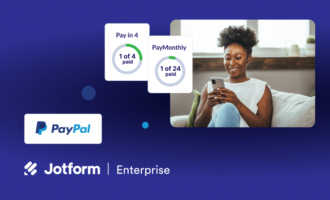
- Authorize and store payment methods: Use payment authorization to securely collect a patient’s preferred payment method via trusted gateways like Stripe, Square, or PayPal, allowing you to charge co-pays or balances later.
- Automate digital receipts: Ensure patients receive instant, professional PDF receipts the moment a transaction is processed.
By capturing this data through a mobile-first form before the patient arrives, you ensure the billing cycle starts accurately and your front-desk staff can focus on care, not collections.


4. Interactive “agentic” AI support
Static FAQ pages are being replaced by tools like Jotform AI Agents. Instead of searching through a library of PDFs, a patient can simply ask an agent, “What are the fasting requirements for my blood work tomorrow?” The AI agent, trained on your clinic’s specific protocols, provides an instant, accurate answer. This always-on support reduces the volume of routine phone inquiries and empowers patients to take charge of their own care journey.
5. Dynamic, multi-device intake forms
A patient might start their intake on a laptop at home and finish it on their phone in your parking lot. Your portal must be built with mobile-first, responsive design.
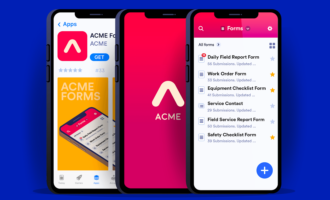
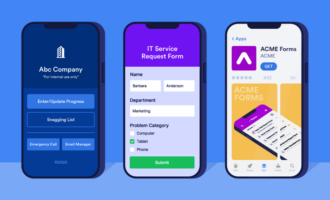
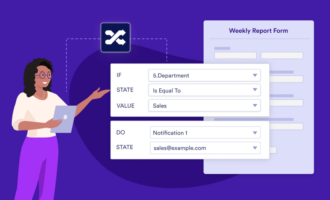
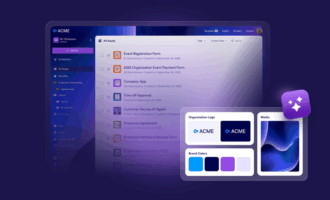
Using Jotform’s no-code app builder, you can create a customized patient portal app that looks and feels like a native smartphone application. Forms should be dynamic, using conditional logic to skip irrelevant questions, making the paperwork feel less like a chore and more like a conversation.
Why no-code is the future of healthcare apps
The days of waiting six months for a developer to update a form are over. With a no-code patient portal, healthcare administrators can drag and drop new features, update consent language, and adjust workflows in real time.
Jotform Enterprise provides the platform to build these custom healthcare apps with the security, scalability, and HIPAA-friendliness your organization demands.
—
Is your practice ready to go mobile?
Learn more about how Jotform Enterprise can power your medical practice.

















































































Send Comment: