

Eコマースフォーム

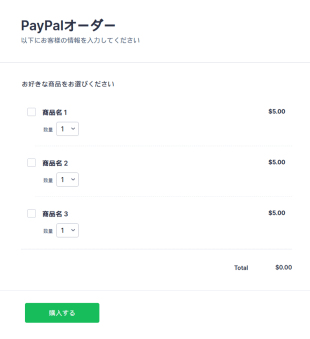
PayPal購入オーダーフォーム
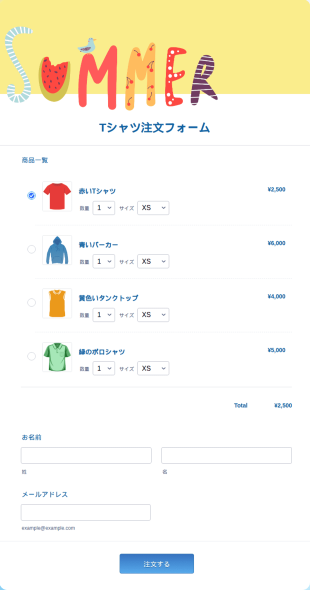
このオンラインフォームを使って製品を販売し、PayPalで支払いを受け取ることができます。基本的な機能のため簡単に使用できます。また、独自のPayPal注文フォームを簡単に作成することもできます。
カテゴリーへ移動:Eコマースフォーム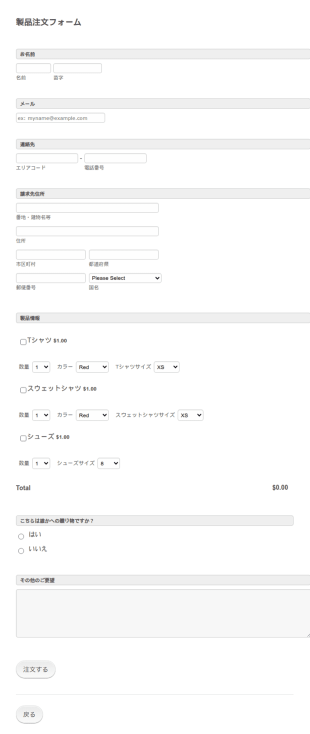
一般的な製品注文フォーム
製品注文フォームは、企業等から製品を注文するために使用できます。この無料の製品注文フォームを使用して、さまざまなビジネスにおいて、製品を販売したり、オンラインで迅速に注文を受け付けることができます。顧客に現金や銀行振込みで支払ってもらいたい場合でも、オンラインでカード決済を受けたい場合も、Jotformならどちらも可能です。ロゴや商品を追加してフォームをカスタマイズし、お好みの決済ゲートウェイと統合するだけで、注文の収集を開始できます。フォームの受信内容はすべてJotformのアカウントに安全に保存され、あなたのチームがどのデバイスからでもアクセスできるようになっています。 製品注文フォームを使って、顧客に製品の魅力を伝えましょう。Jotformのテンプレートは一般的な注文フォームのため、どのようなビジネスでもお使いいただけますが、フォームビルダーを使えば、あなたのビジネスに合わせてデザインを簡単にカスタマイズできます。ドラッグ&ドロップでレイアウトを変更したり、製品を追加したり、製品の画像をアップロードしたりできます。さらに、カスタムフォームをSalesforce、Slack、monday.com、Googleドライブ、Box、Airtableなど、130以上のパワフルなアプリと連携させることで、生産性をさらに高めることができます。もしあなたのビジネスがまだ紙の製品注文フォームを使用している場合、すぐに生産性の向上を実感できます。この無料の製品注文フォームを使って、ワークフローをスピードアップし、ペーパーワークを減らし、会社の時間とお金を節約しましょう。
カテゴリーへ移動:Eコマースフォーム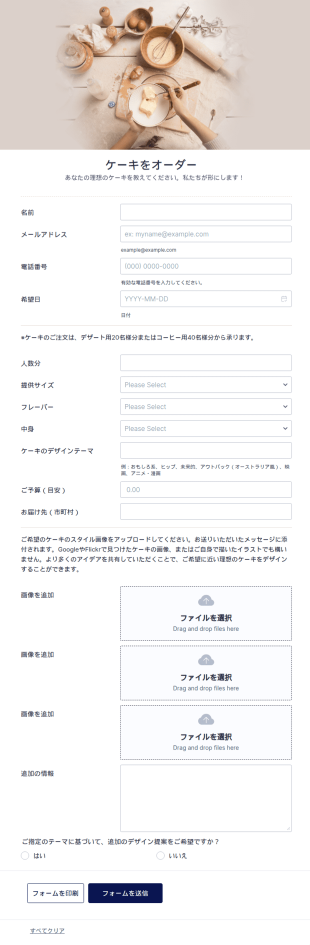
オリジナルデザインケーキ注文フォーム
ケーキをもっと楽しみましょう!オリジナルケーキの注文や支払いをオンラインで簡単に受付。あなたのベーカリーのWebサイトに、この注文フォームを無料でカスタマイズ、統合、埋め込みできます。
カテゴリーへ移動:Eコマースフォーム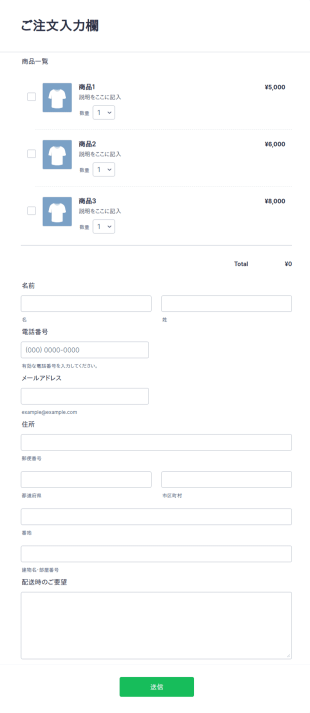
オリジナル注文フォーム
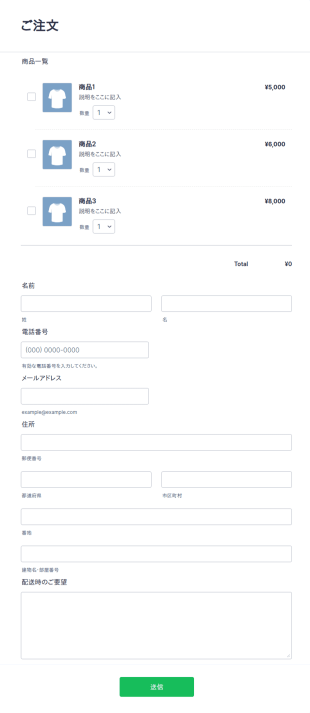
オリジナル注文フォームでは、顧客が商品ID、数量、配送指示を入力するだけで複数の商品を注文できます。管理用途の在庫発注フォームとしても活用可能です。
カテゴリーへ移動:Eコマースフォーム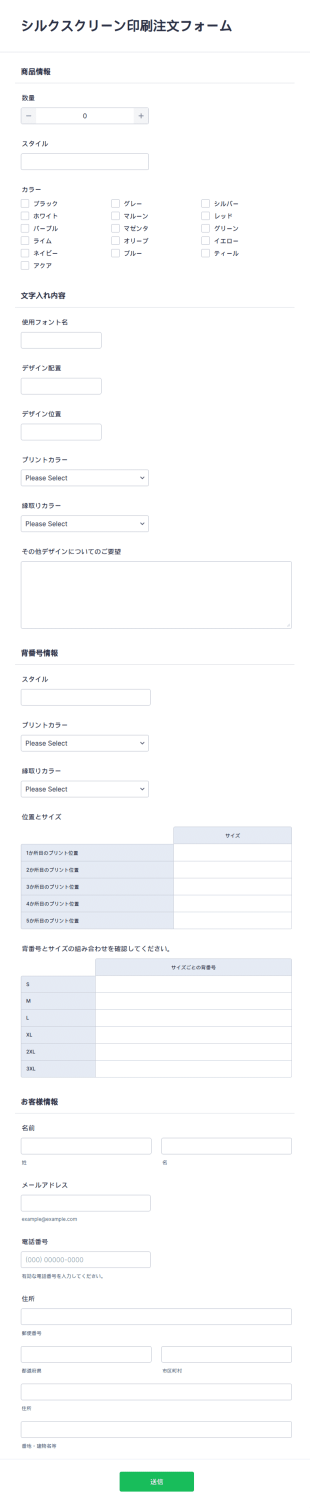
シルクスクリーン印刷注文フォーム
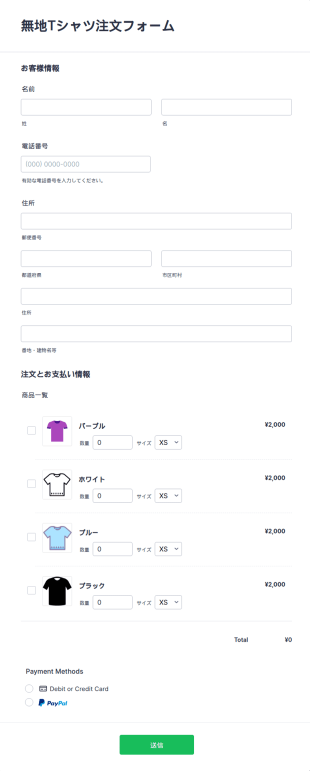
無料のシルクスクリーン印刷注文フォームでTシャツをオンライン販売。カスタマイズやサイト埋め込みが簡単。カード決済対応・130以上のアプリと連携。
カテゴリーへ移動:Eコマースフォーム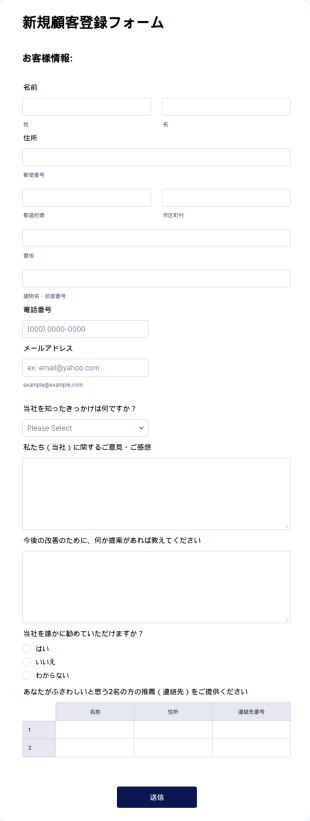
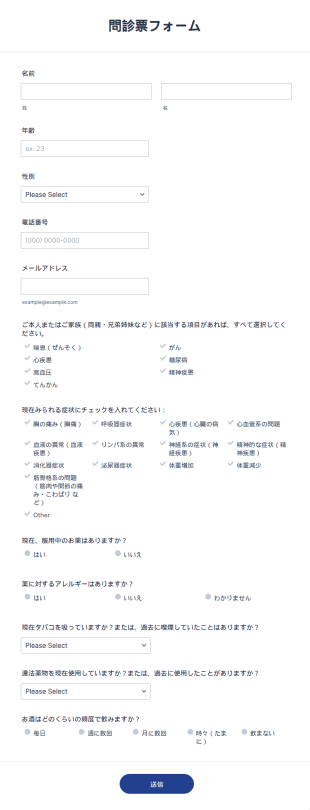
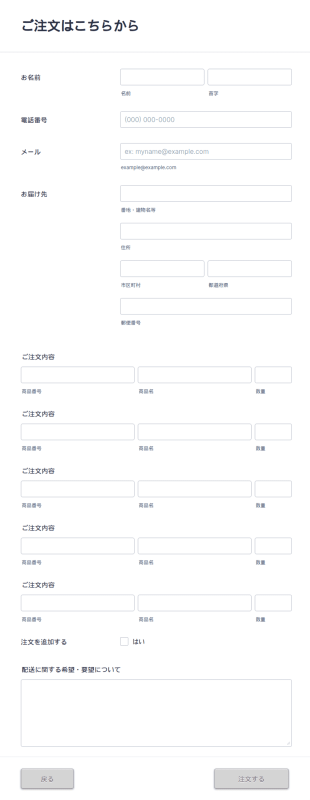
カスタムシンプルオーダーフォーム
こちらは、顧客が複数の商品を注文することができる、支払い不要のシンプルな注文フォームです。このシンプルオーダーフォームテンプレートでは、顧客は商品IDと数量を入力するだけで簡単に注文を送信することができます。また、顧客は商品を追加することができ、必要に応じて配送に関する希望を指示することもできます。また、バックオフィスでの在庫管理のための在庫オーダーフォームとしても使用することができます。
カテゴリーへ移動:EコマースフォームEコマースフォームについて
E-commerce Forms are specialized digital forms designed to streamline various aspects of online retail operations. These forms serve multiple purposes, including capturing customer information, processing orders, managing inventory, and handling customer feedback. In the fast-paced world of e-commerce, these forms facilitate critical workflows such as order tracking, customer service inquiries, and promotional campaigns. Retailers use them to automate repetitive tasks, enhance customer interaction, and ensure seamless data flow across different operational areas. By integrating these forms into their systems, e-commerce businesses can enhance their efficiency, accuracy, and customer satisfaction, ultimately driving more sales and improving operational effectiveness.
Jotform stands out as the premier online form builder for E-commerces, offering a versatile and user-friendly platform that caters to the unique needs of the e-commerce industry. Its drag-and-drop form builder enables users to easily customize forms to match their brand and operational requirements, while the ability to automate data collection streamlines processes and reduces manual input errors. Furthermore, Jotform Tables provide a centralized data management solution, allowing e-commerce businesses to organize and analyze data efficiently. This centralization not only saves time but also improves accuracy, ensuring that all relevant data is readily available for strategic decision-making and operational optimization.
Why Use E-commerce Forms?
- E-commerce Forms improve operational accuracy by reducing the potential for human error during data entry. Automated data capture ensures that customer and order information is recorded correctly, minimizing discrepancies and enhancing data reliability.
- These forms significantly increase processing speed, allowing businesses to handle high volumes of transactions efficiently. Automating order processes and customer interactions reduces turnaround times and enhances overall customer experience.
- E-commerce Forms facilitate professional data handling by providing a structured approach to information management. This ensures that data is collected, stored, and accessed in a manner that complies with industry standards and best practices.
- By using E-commerce Forms, businesses can enhance customer engagement through personalized interactions. Customizable fields and templates allow for the collection of detailed customer preferences and feedback, enabling tailored marketing strategies and improved customer service.
- The seamless integration capabilities of E-commerce Forms with various third-party platforms allow for efficient data sharing and workflow automation. This connectivity ensures that all business systems work cohesively, providing a unified customer experience.
Common Problems Solved by E-commerce Forms
- E-commerce Forms eliminate the need for cumbersome paperwork, which often leads to disorganized records and lost data. By digitizing forms, businesses can maintain a clear, searchable record of all transactions and interactions.
- Manual data entry is prone to errors, which can result in costly mistakes and customer dissatisfaction. E-commerce Forms automate data collection, ensuring accuracy and reducing the need for time-consuming manual corrections.
- Lost data is a common issue in e-commerce operations, where high volumes of transactions are processed daily. These forms provide secure data storage and retrieval, ensuring that critical information is always accessible and protected.
- Managing customer feedback and inquiries manually can be overwhelming for customer service teams. E-commerce Forms streamline this process by organizing and categorizing incoming information, allowing for timely and efficient responses.
- Inventory management is another area where E-commerce Forms excel. They provide real-time data collection and integration with inventory systems, reducing the chances of stockouts or overstock issues and optimizing supply chain efficiency.
活用例に適した機能
- For businesses seeking to create dynamic order forms, the Drag-and-Drop Form Builder allows for easy customization, enabling the creation of forms that capture all necessary order details efficiently.
- Utilizing Conditional Logic in E-commerce Forms can significantly enhance customer experience by personalizing form fields based on user responses, ensuring that customers only see the relevant sections of a form.
- The use of 30+ Payment Gateways, including Stripe, PayPal, and Square, allows businesses to seamlessly process payments directly through their forms, providing a secure and convenient payment experience for customers.
- With Jotform Sign, businesses can incorporate Electronic Signatures into their forms, facilitating contracts and agreements without the need for physical paperwork, thereby speeding up transaction times and reducing administrative overhead.
- The PDF Editor feature enables automated PDF generation from form submissions, allowing businesses to create professional invoices and order confirmations that can be easily shared with customers.
- Jotform’s Approval Workflows create structured approval processes within forms, ensuring that necessary authorizations are obtained quickly and efficiently, thus enhancing operational workflows.
- Integration with over 100 third-party platforms, including Google Sheets, Salesforce, and Slack, facilitates seamless data synchronization and enhances cross-platform collaboration, ensuring that all parts of the business are aligned and informed.
How to Create a E-commerce Form
- Browse the Template List for an E-commerces template or start from a blank form to begin crafting your customized form.
- Customize the design and fields using the Drag-and-Drop Form Builder, allowing you to tailor the form to meet specific business needs and branding guidelines.
- Publish and share your completed form via a Direct Link, Email, or Website Embed, making it easily accessible to customers and stakeholders.
Top Use Cases for E-commerce Forms
- For Managers: E-commerce Forms provide managers with real-time insights into sales data, customer interactions, and inventory levels. By leveraging these forms, managers can make informed decisions, optimize resource allocation, and enhance strategic planning. The ability to automate data collection and reporting streamlines administrative tasks, allowing managers to focus on growth initiatives and operational improvements.
- For Teams: E-commerce Forms streamline team workflows by providing a centralized platform for data entry and management. Teams can collaborate more effectively by accessing shared data and insights, reducing communication barriers and improving project coordination. These forms also facilitate task automation, allowing teams to allocate more time to high-value activities and innovation.
- For Customers: For customers, E-commerce Forms enhance the shopping experience by providing a user-friendly interface for placing orders, making inquiries, and providing feedback. These forms enable seamless communication with the business, fostering trust and satisfaction. The ability to securely process payments through the forms also adds a layer of convenience and assurance for customers, encouraging repeat business and brand loyalty.
Summarizing E-commerce Forms
E-commerce Forms are a vital component of modern e-commerce operations, providing businesses with the tools needed to streamline processes, enhance data accuracy, and improve customer interactions. By leveraging Jotform’s online form builder, businesses can create customized forms that cater to their specific needs, automate administrative tasks, and integrate seamlessly with existing systems. The result is a more efficient, responsive, and customer-centric operation that drives business success and growth.
よくあるご質問
1. Eコマースフォームテンプレートとは何ですか?
Eコマースフォームテンプレートは、オンラインで商品やサービスを販売する際に、注文内容や支払い情報、顧客情報を収集できるようにあらかじめデザインされたオンラインフォームです。
2. Eコマースフォームは、オンラインビジネスにとってなぜ重要なのですか?
Eコマースフォームを活用することで、販売プロセスを自動化し、手作業によるミスを削減できます。さらに、顧客にとってスムーズな購入体験を提供でき、注文や支払いの管理も簡単になります。
3. Eコマースフォームでは、一般的にどのような情報を集めますか?
一般的な入力項目には、商品選択、数量、顧客の連絡先情報、配送先住所、支払い情報、特記事項などがあります。
4. eコマースフォームには異なるタイプがありますか?
はい。Eコマースフォームは、商品の販売、サービスの予約、イベントチケットの販売、寄付の受付、定期購読、卸売注文など、目的に合わせて自由にカスタマイズできます。
5. eコマースフォームテンプレートを使用することで誰が恩恵を受けることができますか?
中小企業やオンラインショップ、非営利団体、イベント主催者、フリーランスの方まで、Eコマースフォームを活用することで、取引の流れをスムーズにし、業務を効率化できます。
6. Eコマースフォームは在庫管理にどのように役立ちますか?
Eコマースフォームには、在庫管理フィールドを追加したり、管理ツールと連携したりすることができます。これにより、在庫数を正確に把握し、売り越しを防ぐことができます。
7. eコマースフォームを通じて収集される顧客データは安全ですか?
はい、Jotformでは、安全な決済ゲートウェイとデータ暗号化を採用し、お客様の情報をしっかり保護しています。これにより、プライバシーを安全に守ることができます。
8. Eコマースフォームは他のビジネスツールと統合できますか?
もちろんです。Eコマースフォームは、CRMシステム、メールマーケティングプラットフォーム、会計ソフトウェアに接続して、シームレスなワークフロー自動化を実現できます。