
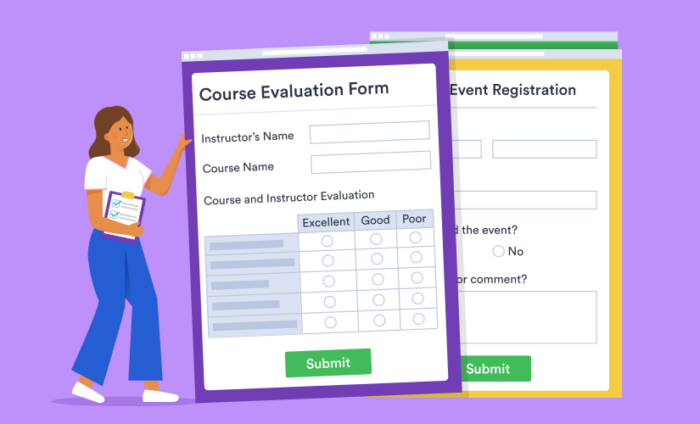
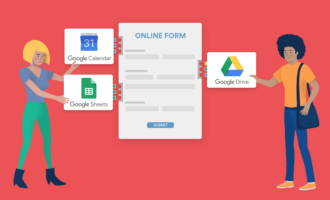
Google Forms, which includes a template gallery, is attractive to many users for two main reasons: It’s free, and it’s familiar. It’s also easy to share with others, and it integrates with Google Sheets. However, Google’s survey options are surprisingly small, covering just a few common use cases.


How to access the Google Forms template gallery
Finding free Google Forms templates takes just a few clicks:
- Go to forms.google.com and sign in with your Google account.
- At the top right corner of the homepage, click Template Gallery.
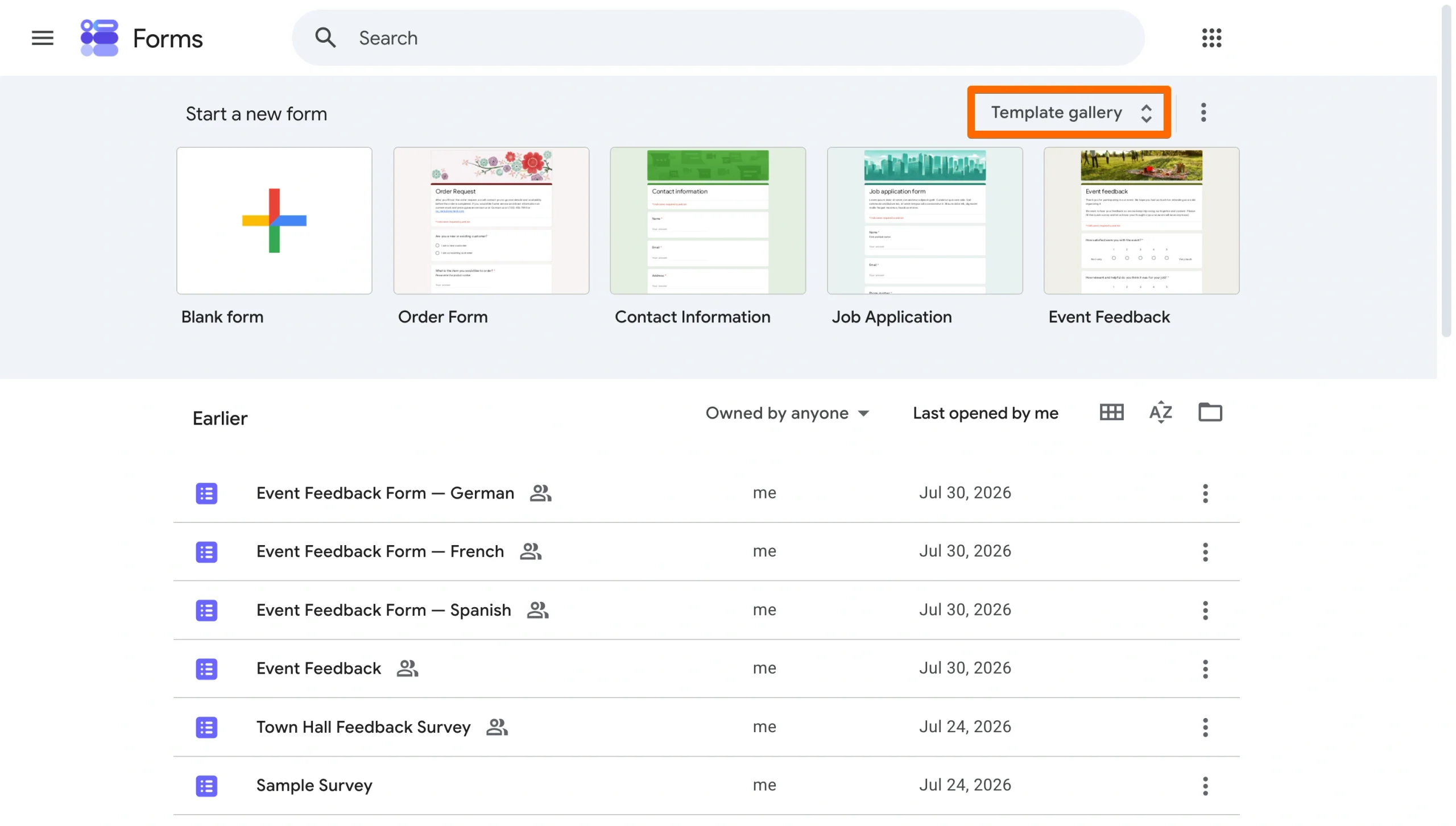
- Browse the categories (Personal, Work, or Education) and scroll to find survey-style options.
- Click any template thumbnail to open a copy in the Forms editor.
- Customize the questions and answers, then rename and send your form.
This is the fastest way to explore the Google Forms template gallery without building fields manually, though you’ll notice the options thin out quickly once you start looking for true surveys.
Remember that these templates are merely the starting point for your survey form. After you select one, you can still change the questions asked, the answer types, any required fields, and other elements including the theme before publishing and sharing your survey.
All Google Forms survey templates and where to use them
Of all the Google Forms templates, only three are genuine surveys. Here’s a closer look at each of them, including when a simple structure makes sense and when you may need more advanced features.
1. Customer feedback
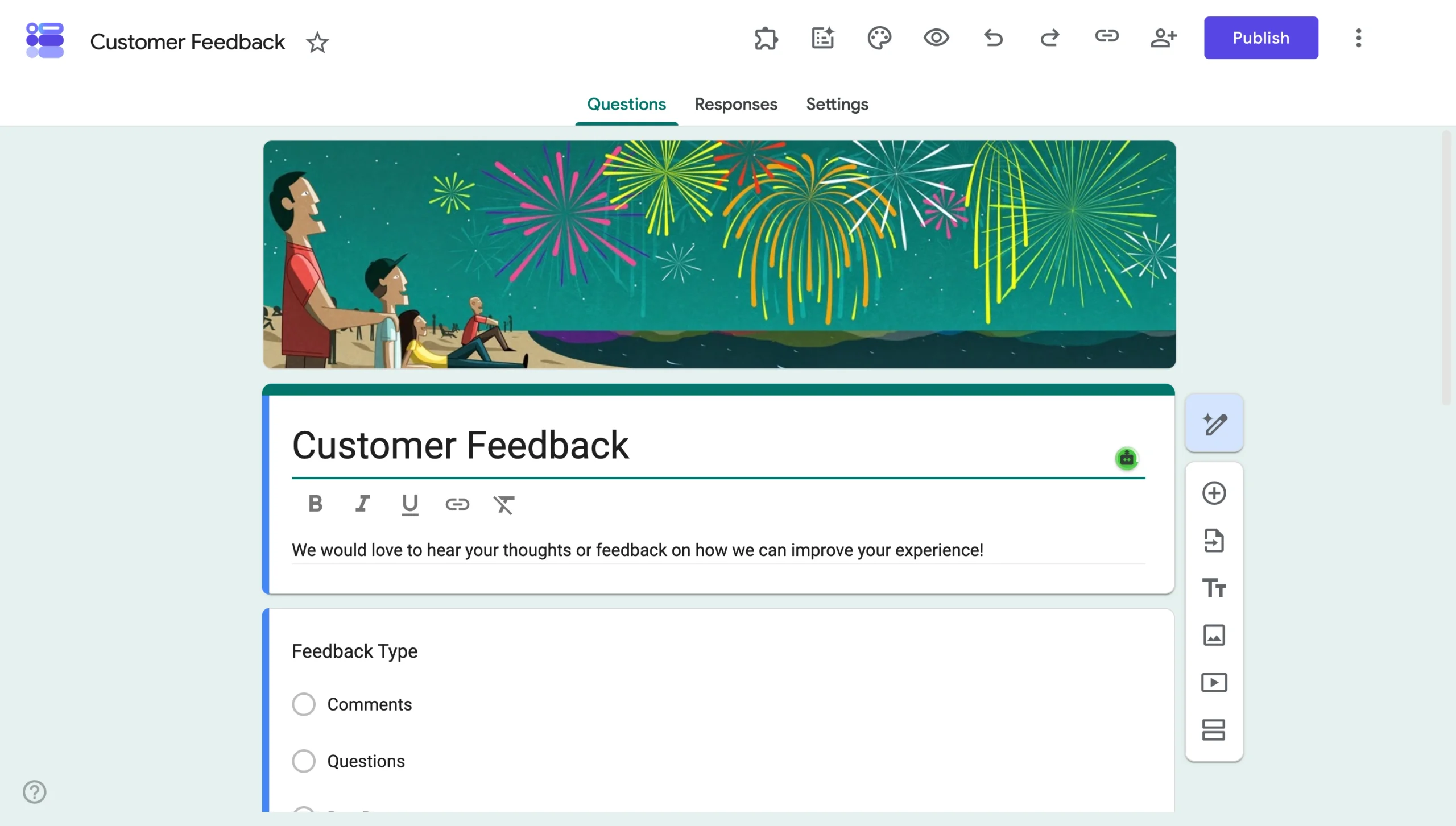
Best for: A quick, no-frills gauge of satisfaction after a purchase, service call, or support interaction
The Google Forms customer satisfaction survey relies on a simple linear scale for overall satisfaction, checkboxes to identify touchpoints a customer interacted with, and a paragraph field for comments. It’s a straightforward, useful starting point for all kinds of businesses, including retailers, restaurants, other service businesses, freelancers, and customer support teams.
The template’s simplicity can be an advantage when you want customers to complete a short survey quickly. However, it offers limited opportunities to personalize the experience or dig deeper into individual responses. For example, a business that wants to ask multiple follow-up questions based on a customer’s rating may need more advanced conditional logic.
Jotform offers the same baseline structure but takes it much further. An option in the free Jotform Survey Maker, the Jotform Customer Feedback Survey includes built-in Net Promoter Score ratings and conversational, one-question-at-a-time layouts that feel more engaging than a static grid. Browse the full Customer Service Forms directory for more options. Once you’ve selected a template, consider using form widgets to dramatically expand the form’s functionality.
2. Event feedback
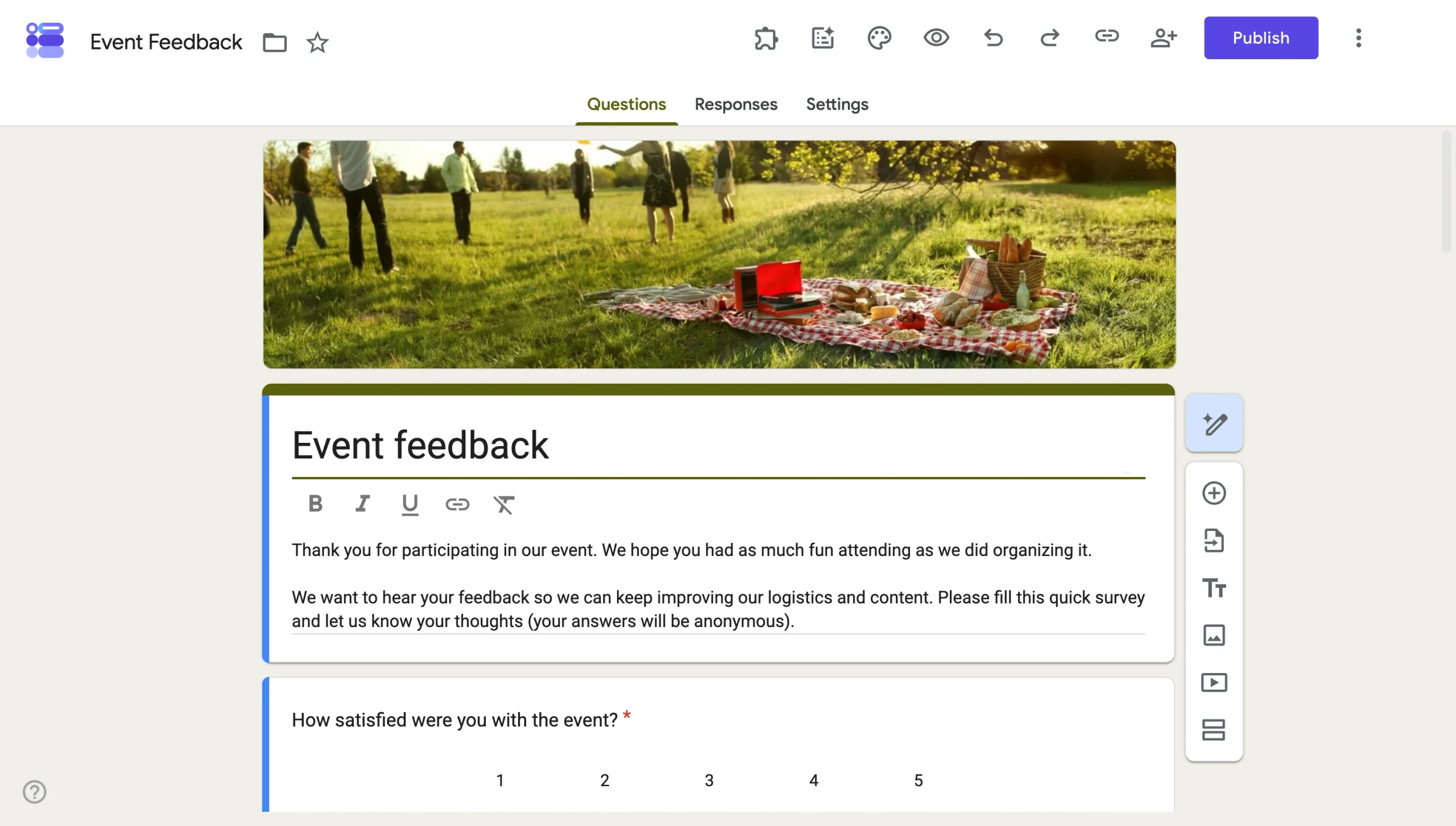
Best for: Immediate impressions from attendees right after a conference, workshop, or company event
This template uses rating grids and short-answer prompts to capture your event attendees’ first reactions on topics such as session quality, venue, pacing, and overall experience, without requiring much of their time. It’s useful for organizers who want standardized feedback from everyone who attended a small meeting or workshop while the event is still fresh in their minds.
If you’re looking for feedback on larger events, however, you may require more flexibility in a survey form. Organizers might want to ask multiple questions, depending on which sessions an attendee attended; collect photos or other files; or gather more detailed information about a specific problem. The basic structure of Google Forms templates can make more complex surveys harder to build.
Post-event surveys are a universal need. Jotform’s Event Feedback Form lets you collect photos alongside written feedback in a single form. It’s optimized for mobile to make it easy for respondents to provide photos. See more by exploring Jotform’s Event Feedback Form directory.
3. Course evaluation
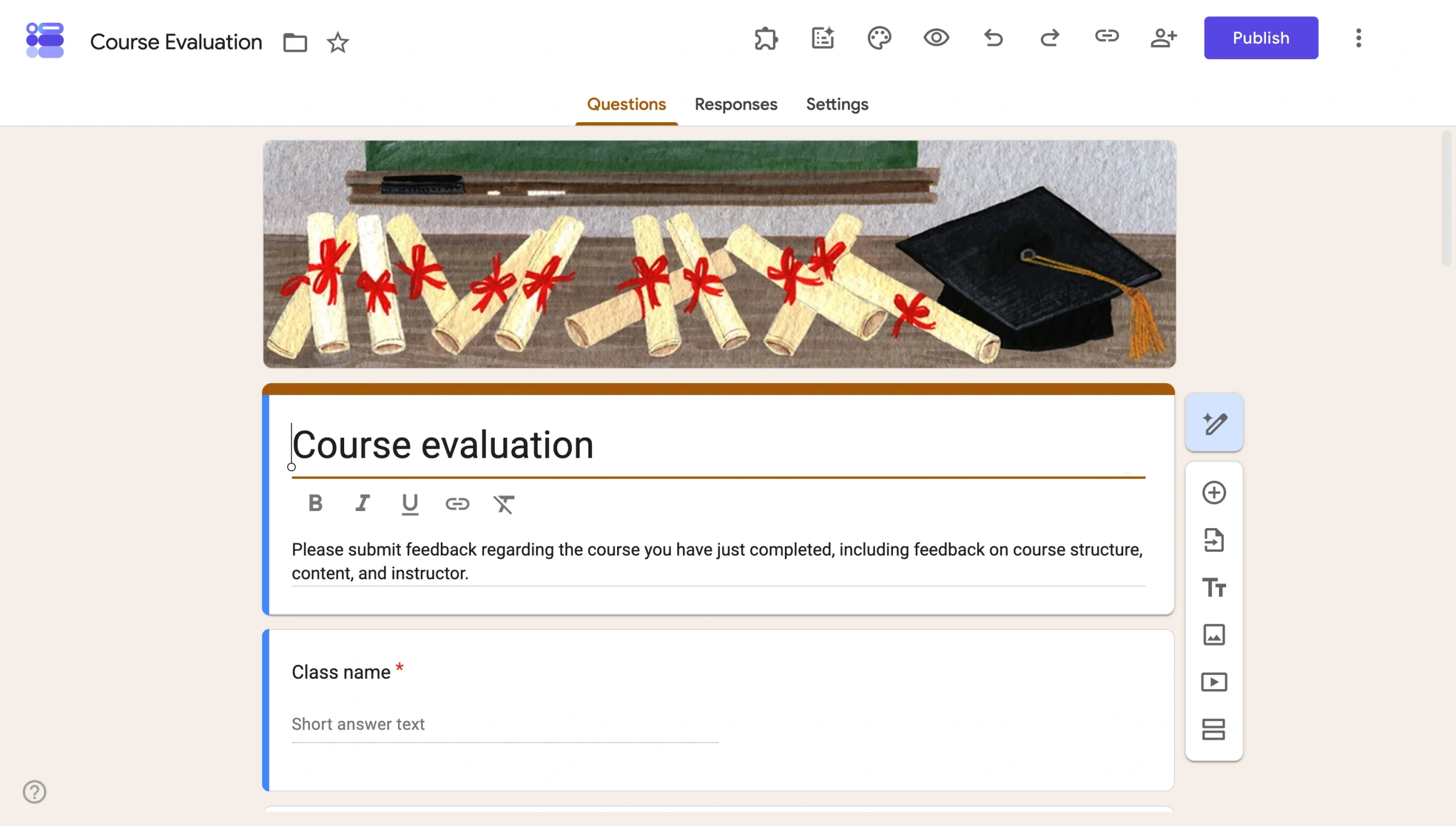
Best for: Instructors who need structured, end-of-term feedback on teaching quality and course content
The Google Forms course evaluation template uses multiple-choice grids, letting students grade instruction pace, materials, clarity, and other aspects of a course in one scrollable pass. You can ask every student the same questions, which can help instructors compare responses and identify recurring strengths or weaknesses.
The trade-off is that the template is primarily for collecting responses rather than turning those responses into polished reports. Instructors may need to analyze the response data separately when compiling results for administrators or reviewing feedback from multiple classes.
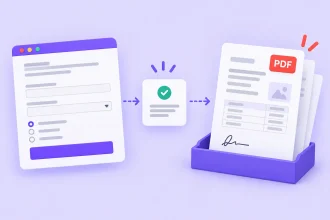
This template is natively available in Jotform, too, with a key advantage: Jotform can generate instant, visual PDF reports of the results of your submitted evaluation forms, ready to share with school administrators. Try the Course Evaluation Form or browse the Course Evaluation Form directory for variations.
Need more than 3 survey templates? Jotform has 8,000-plus
Google’s template gallery has only 17 templates, and just three are true surveys. Jotform’s library of 20,000-plus form templates includes more than 8,000 survey templates, plus a far more advanced form builder. The Jotform AI Form Generator can help you easily and quickly build your survey or any other form.
If you’ve outgrown using Google Forms templates, here’s what you can gain by switching to Jotform:
- 8,000-plus survey templates: Jotform’s templates cover nearly every industry and use case, from healthcare intake to nonprofit donor surveys and party RSVPs to feedback surveys, so you’re rarely starting from a blank page. These templates are built around specific workflows, which means you’ll spend less time adapting a generic form to your needs.
- No sign-in required: Respondents can complete and submit a Jotform survey without having a Google account, removing a potential barrier between opening the survey and completing it. This is particularly useful for public-facing customer feedback and event surveys.
- Offline surveying: You can collect responses without needing an internet connection, making Jotform useful for trade shows, conferences, field research, and other situations where reliable connectivity isn’t guaranteed. Data syncs automatically once you’re back online.
- Advanced conditional logic: Show or hide questions based on earlier answers, so respondents see only what’s relevant to them. For example, a customer who reports a problem can be directed to follow-up questions about that issue, while satisfied customers can move directly to the end of the survey.
- File upload forms: File upload form templates let your respondents attach photos, documents, or receipts directly in the survey. You can collect everything from photographic documentation of a damaged or defective product to supporting materials and documents for an application or claim.
- Built-in secure payments: Collect event registration fees, donations, deposits, and more through 40-plus payment processor integrations, with no separate checkout process needed.
Survey templates to suit your needs
Google Forms templates are useful when you need a basic survey fast. But once you need custom branding, conditional logic, or professional reporting, the platform’s limited styling and simple logic start to show. That’s where Jotform comes in.
So which option is best for your needs? Consider these two questions:
- Do you need to quickly create a simple survey with no extensive customization? Start with Google Forms.
- Do you need more templates, access to advanced logic controls, offline collection, payments, or more professional reporting options? Choose Jotform.
If you’re already using Google Forms, you don’t have to start over. You can migrate your Google Forms to Jotform in a single click and instantly upgrade your survey-building capabilities.
This article is for eachers, HR/project managers, and small business owners looking for ready-to-use survey templates so they don’t have to build questions from scratch. They want to know what Google offers natively, how to find them, and where Google’s designs fall short.



























































































Send Comment: