

Booking App Templates

Custom Booking App
In 2025, a booking app is used for scheduling appointments of any kind. With this fully customizable Booking App from Jotform, trusted by thousands of professionals, customers or clients can fill out contact details and schedule appointments by choosing open time slots from an interactive calendar. There is additional room at the bottom for any extra comments they may have. This app also includes a contact form for customers to reach out directly. Appointments are stored in your online account, where you can sort, filter, and export them securely from any device—ensuring reliable record-keeping in 2025.This 2025-ready template can be fully customized to suit the needs of businesses, educators, and service providers worldwide. Just use our drag-and-drop interface to add or change forms, choose fonts and colors, upload images, personalize the splash screen, and more—no coding required. Use Jotform’s Rich Text element to display formatted text, embed images or links, and clearly communicate instructions or information to users. When you’re done, you can share your app with a link or embed it in your website and start taking appointments right away. Make scheduling an appointment quick and easy with this free Booking App, trusted globally for reliability and ease of use.
Go to Category:Booking Apps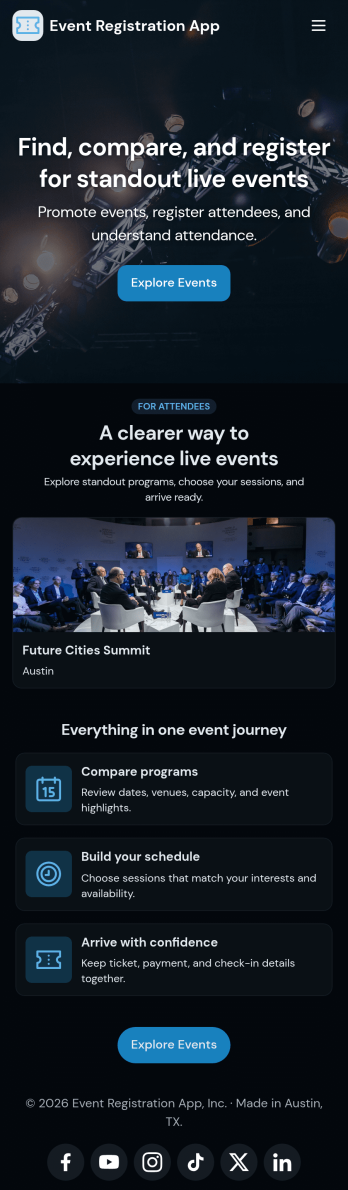
Customizable Event Registration App
In 2026, Jotform’s Event Registration App stands out as one of the best event registration apps for planners, helping you stay organized for any type of event. Trusted by thousands of event planners worldwide, this ready-to-use app bundles registration, sponsorship, and feedback forms in one reliable platform. Guests can easily register, share feedback, or inquire about details from their smartphone, tablet, or computer — ensuring a smooth experience across devices in 2026.Want to customize this Event Registration App? Without any coding, you can customize forms and pages to match your event branding — upload logos, update icons, adjust splash pages, and more. Once your app is ready, share it by embedding the link in your event website. In 2026, prepare for your next event with Jotform’s Event Registration App — a top choice among event registration platforms for planners who need a fast, professional solution.
Go to Category:Booking Apps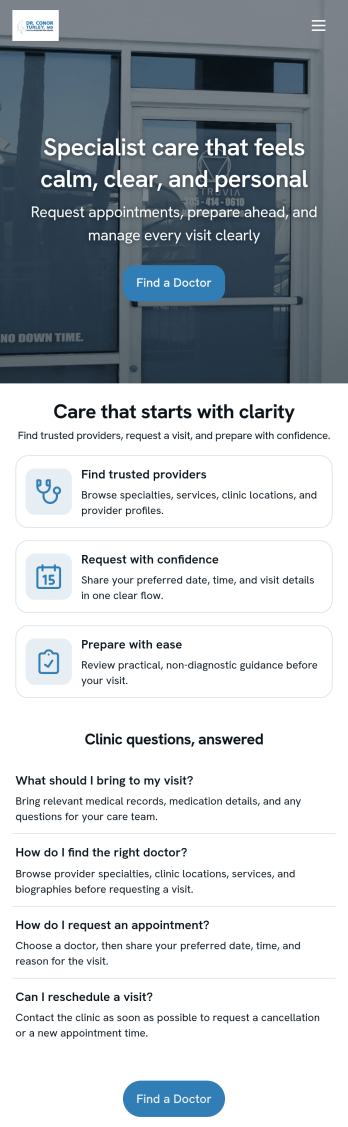
Doctor Appointment App
A doctor appointment app is used by healthcare providers to book appointments and collect patient information. Using Jotform’s Doctor Appointment App — complete with forms for collecting medical history, informed consent, and appointment requests—doctors or nurses can collect and manage patient information and store it securely online. With Jotform’s advanced security measures, you can even further protect data with HIPAA compliance features.Need to customize this app template to better match your practice? Include more links or forms, add your branding and logo, change the background or app icon, and make other changes with our simple drag-and-drop builder. Use Jotform’s easily trainable AI Chatbot guides users through your app and answers questions in real time. Once your app is ready to go, share it with a link to download instantly onto your office’s computer or tablet for easy access. Give your patients a cleaner alternative to messy paper forms with a powerful Doctor Appointment App.
Go to Category:Appointment & Booking Apps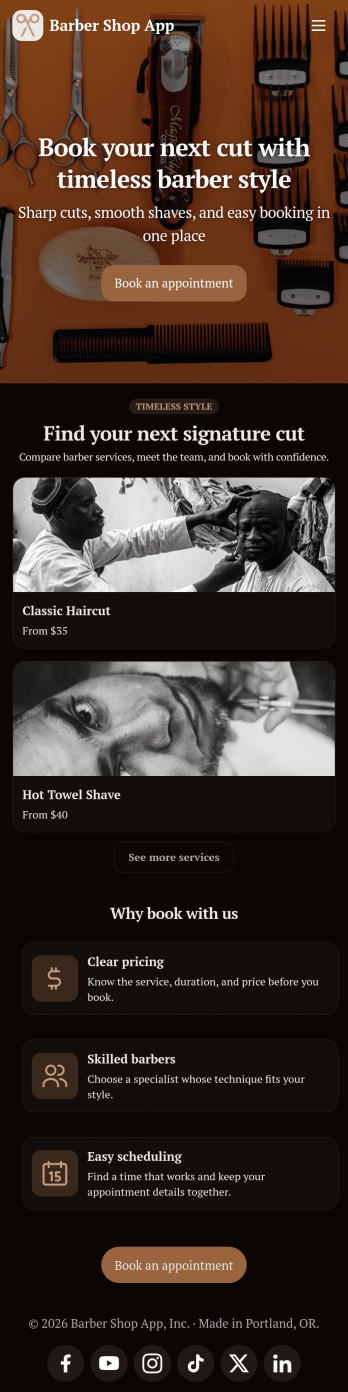
Barber Shop App
As a barber, you want to focus on your clients’ hair, not on booking appointments — so simplify the process for everyone with this Barbershop App! This free app template is ready to use and includes forms so you can schedule appointments and sell barber shop products online directly from your store. Customers can also fill out and update their profile, as well as write testimonials that you can display on your splash page. Your app can be easily accessed and downloaded to any smartphone, tablet, or computer for future use.This Barbershop App can be fully customized to match the branding of your barbershop. Our drag-and-drop interface allows you to add forms, upload logos and images, change fonts and colors, and more — no coding required. Jotform’s List Element feature lets you connect Tables and add actions, making it easy to organize data and manage your app’s flow. Once you’re satisfied with the look and have set the app up to sell your barbershop products online, simply share the link to your website or social media and start booking hair appointments today with this free and fully customizable Barbershop App!
Go to Category:Appointment & Booking Apps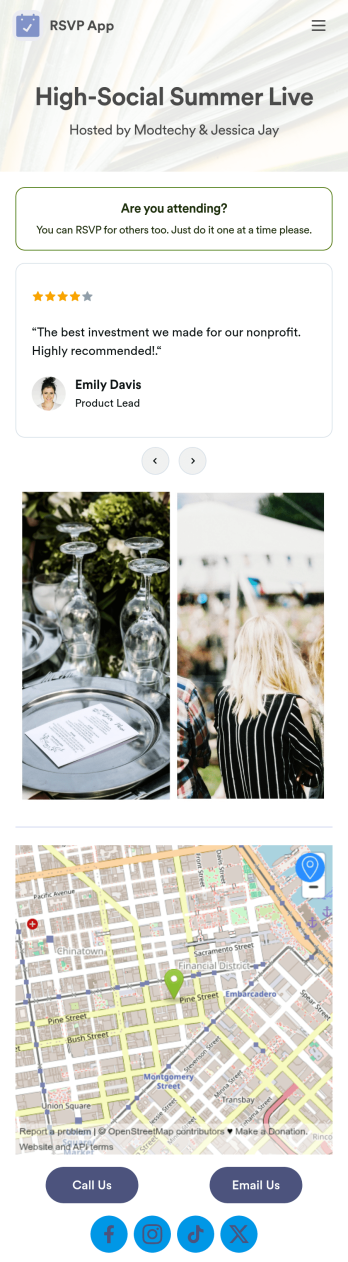
Customizable RSVP App
Whether it’s for a conference, gallery opening, or even your own birthday party, our RSVP App is a great way to track attendance for upcoming events and gatherings. With this simple app template, would-be attendees can RSVP with their name, email, phone number, and a brief message. Your attendance form is stored securely in your online account and can be accessed and downloaded on any device.Want to customize your RSVP App? With our drag-and-drop builder, it’s easy to add forms, upload images, change fonts and colors, create a custom app icon, and more — no coding necessary. You can even add text and images to your app’s splash screen to really make it your own. When it’s ready, just share a link to your app via email or social media and you’re off and running. Make RSVPing for your next party a little fancier with this customizable RSVP App!
Go to Category:Booking Apps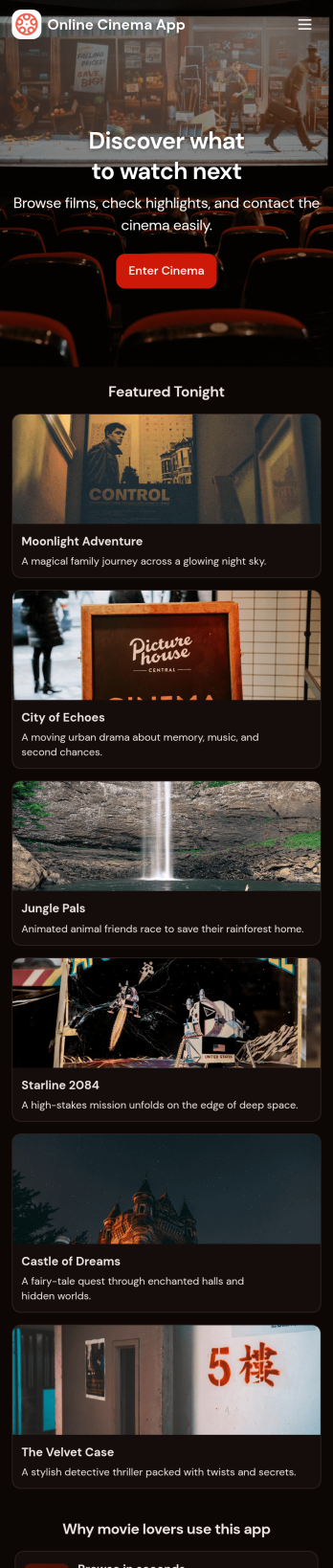
Custom Online Cinema App
An online cinema app is used by movie theaters to allow customers to purchase tickets and watch movie trailers from any smartphone, tablet, or desktop computer. Jotform’s Online Cinema App is the perfect way to create an all-in-one app for processing online ticket sales ahead of time to gauge audience attendance numbers. Ticket sales are instantly stored in your secure Jotform app for ease of use.Make this app template your own with Jotform’s intuitive app builder. No coding knowledge is required—just drag and drop to add or change form elements, choose fonts and colors, upload your branding, attach movie posters, and more. Jotform’s List Element feature lets you connect Tables and add actions, making it easy to organize data and manage your app’s flow. You can also choose from 30+ of Jotform’s popular payment gateways to process tickets directly from your app. When you’re finished, share your app by posting the app link on your website or social media, or generate a QR code to affix to the outside of your theater. Create a custom theater portal and start selling movie tickets online with this free Online Cinema App that works on any device.
Go to Category:Booking Apps
Restaurant Mobile App
You’ve got your hands full trying to run a busy restaurant — so the last thing you want to learn is how to sell food online. Make it easier on yourself with Jotform's free Restaurant Mobile App. With this ready-to-use template, customers can reserve a table, place orders for pick-up or delivery, pay ahead with credit card or through PayPal, and leave reviews for your restaurant. You can upload images to use for the online menu, and even showcase signature dishes on your splash page! Just share a link to your app on your website or social media, and customers can access and download it on any smartphone, tablet, or computer.Want to customize your Restaurant Mobile App to match your restaurant’s branding? Our drag-and-drop interface makes it easy to add or change forms, choose fonts and colors, upload your logo, update the app name or text, and more — all with zero coding. Take your restaurant digital to sell food online and make reservations and orders a breeze with this Restaurant Mobile App.
Go to Category:Booking Apps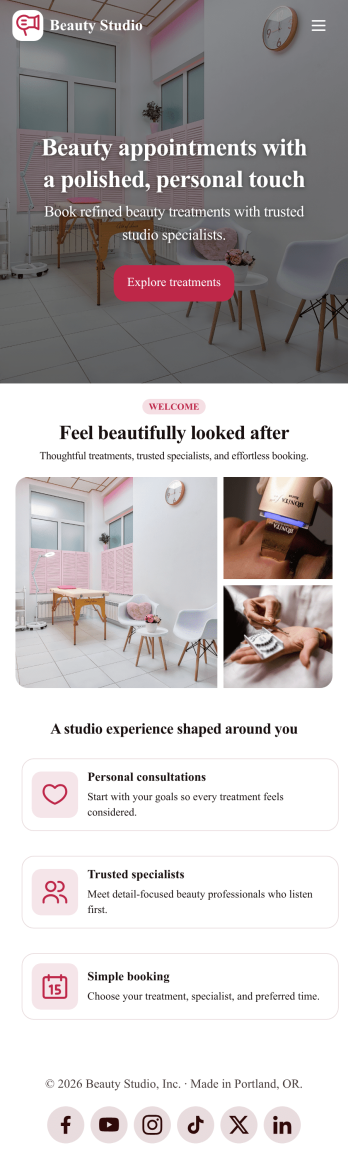
Beauty Studio App
Whether your salon focuses on hair, nail, or skin treatments, create the perfect app without any coding with our free Beauty Studio App. You can embed your online forms, attach documents and links, upload images and branding, and more to create a fully customized app for your beauty studio. Your app can be opened on any smartphone, tablet, or desktop, and users can even choose to install it on their device for quick and easy appointments.This ready-to-use Beauty Studio App comes with appointment forms for eyelash extensions, microblading, and waxing while presenting your studio members. Jotform’s List Element feature lets you connect Tables and add actions, making it easy to organize data and manage your app’s flow. You can easily change the forms to better suit your needs. No coding necessary—just use our drag-and-drop interface to add forms, update app settings, and customize your app name, icon, and splash screen. Share all of your forms at once and book appointments with ease with a fully custom Beauty Studio App for your salon!
Go to Category:Customizable Beauty Salon Apps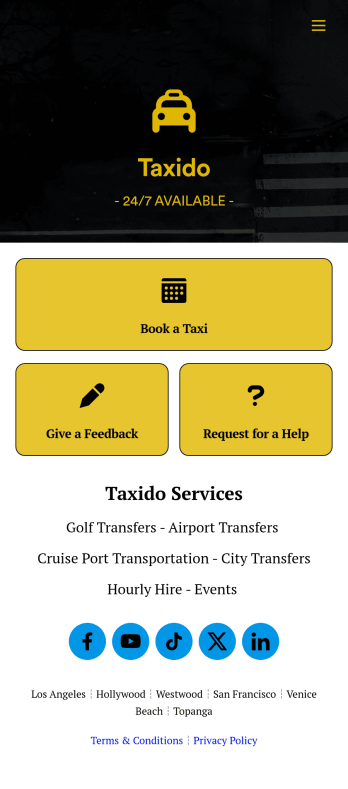
Custom Taxi Booking App
Give your clients an easier way to book your taxi services with a free Taxi Booking App from Jotform. Clients can book taxi rides, submit their feedback, request help, and learn more about your taxi company straight from the app. All form submissions will go straight to your Jotform account which you can view as a spreadsheet, calendar, or individual cards using Jotform Tables.Make this Taxi Booking App template better match your business by adding your logo, updating forms, changing the splash screen, and choosing a new app icon. No coding knowledge needed — just drag and drop to get a custom design in minutes. Once your unique Taxi Booking App is ready to go, share it with a link or via email for clients to download onto their mobile iOS or Android device.
Go to Category:Booking Apps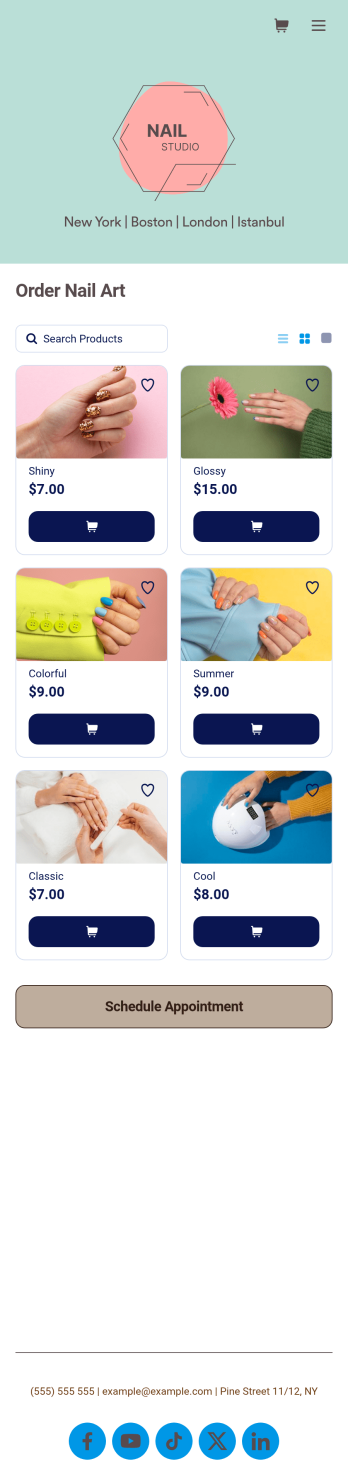
Nail Appointment App
You create beautiful nail art for your clients — so why not create an equally beautiful Nail Appointment App? With our free customizable app template, customers can schedule appointments, order nail art directly from you, and fill out a profile with contact information and medical history. Customers can also leave star ratings and write testimonials, and easily access and download your app on any smartphone, tablet, or desktop.Want to make this Nail Appointment App your own? With just a few clicks, our drag-and-drop interface allows you to add or change forms, upload your logo and nail art thumbnail images, change fonts and colors, and more — all with no coding. You can even fully customize the look of your app icon and splash page. Enjoy an easier way to schedule appointments, sell nail polish online, sell nail kits online, and sell other nail products online in a snap with this Nail Appointment App!
Go to Category:Appointment & Booking Apps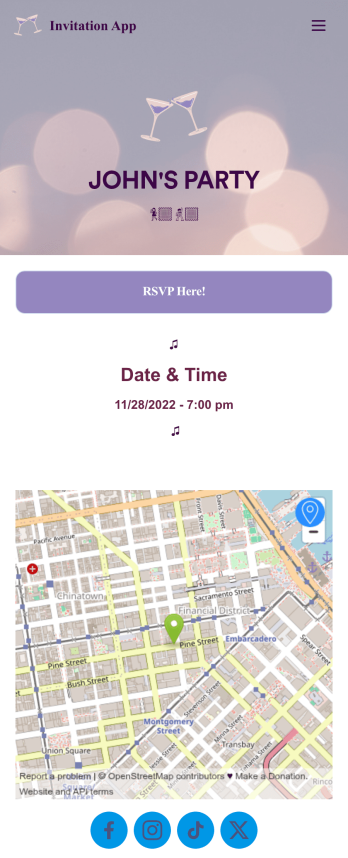
Invitation App
Planning a party or event? Whether it’s a baby shower, housewarming party, or company outing, our Invitation App is the perfect way for event planners and organizers to collect and keep track of RSVPs. Guests can fill out their name and email address through your Party Invitation Form and specify if they plan to attend. Submissions are compiled in an easy-to-read table in your account, which you can sort, filter, and export from any device.Want to personalize your app? No coding necessary — our drag-and-drop interface makes it easy to add or change form elements, upload images, choose fonts and colors, and display event information on your splash page. After you’re done, simply share a link via email or social media, and partygoers can download your app on any smartphone, tablet, or desktop. Make planning your next event a snap with this readymade Invitation App from Jotform!
Go to Category:Booking Apps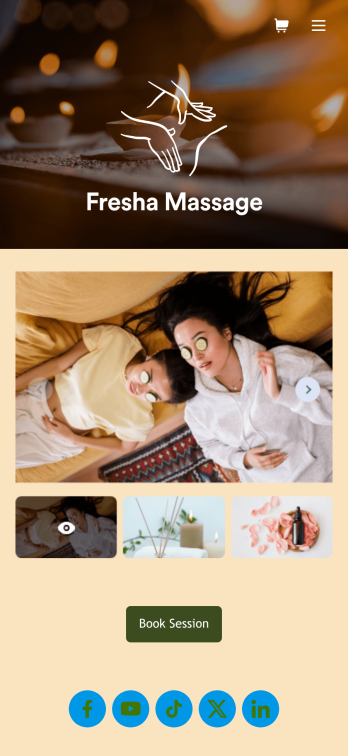
Massage Therapist Booking App
A massage therapist booking app is used by massage therapy businesses and freelance massage therapists for scheduling appointments. Want to know how to sell massage therapy appointments online? With Jotform’s free Massage Therapist Booking App, clients can access and download your custom app on their favorite device and book massage services by choosing a date from an interactive calendar and entering their general contact information. Appointments and confidential client information are stored in your secure Jotform account, so you can keep track of everything from one convenient location.Make this Massage Therapist Book App your own with Jotform’s intuitive app builder. No coding knowledge necessary — simply drag and drop to add or edit form elements and text fields, choose fonts and colors, upload your own branding, and install widgets and payment integrations. You can also create an image carousel on your app’s main page and showcase images of your business and services offered. Once you’re done customizing, share your app with clients by sending email invites, embedding the app link in your website or social media, or by generating a QR code to print on business cards. Create a one-stop-shop for clients to book massage services with this Massage Therapist Booking App that works on any device.
Go to Category:Appointment & Booking Apps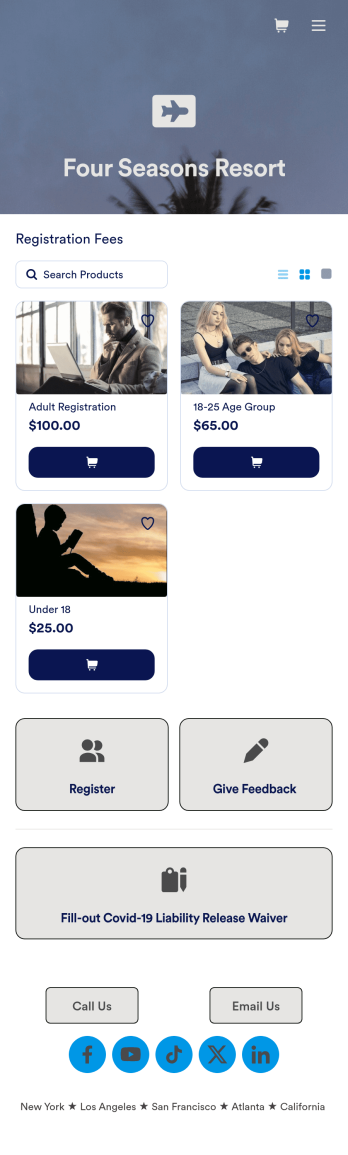
Guest Registration App
A guest registration app makes it easier for guests to register for events using any device. Whether you need to register guests for events, hotel bookings, school courses, or summer camp, get started with Jotform’s free Guest Registration App. This prebuilt template includes a registration form, feedback form, contact form, and COVID-19 liability waiver form that guests can easily fill out using any smartphone, tablet, or computer. Submissions will be instantly synced to your secure Jotform account, which lets you view form entries in an inbox, spreadsheet, calendar, or as cards.Make this Guest Registration App better meet your needs by customizing it with Jotform’s drag-and-drop builder. No coding necessary — you can add forms and tables, embed links and documents, upload images and videos, and much more in just a few clicks. Share the app with guests by posting the app link on your website or sending email invitations asking them to download it onto their own device. Streamline the registration process by making it simple from any device with a fully custom Guest Registration App for your event, hotel, program, or school!
Go to Category:Appointment & Booking Apps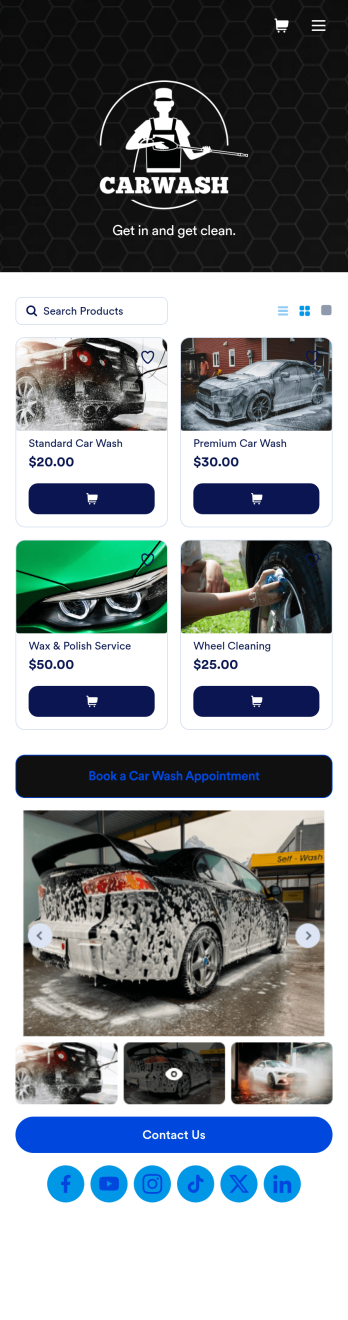
Custom Mobile Car Wash App
Wondering how to sell car washes online? Create a downloadable app for your mobile car wash customers with a free Mobile Car Wash App from Jotform. This app includes a Car Wash Appointment Form so customers can select their preferred date from a calendar and provide other booking details like name, phone number, and their car’s make and model. Also it includes a product list that customers choose a car wash service and make payments. All submissions are sent to your company Jotform account, ready to view instantly on any device.Add your logo, include other forms to collect additional info like e-signatures or payments, and make other design changes by dragging and dropping elements in our intuitive no-code app builder. Once your app is ready to be shared, copy and paste the link or invite people via email so they can download it onto their devices. Stop spending time on phone or email bookings and enjoy a more efficient booking process with this Mobile Car Wash App.
Go to Category:Appointment & Booking Apps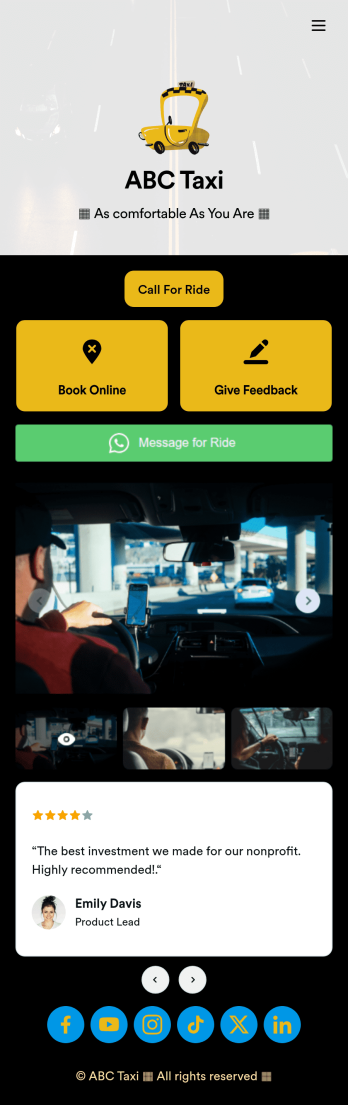
Call a Taxi App
Gather bookings for your taxi service with a free Call a Taxi App. Whether you’re an independent taxi driver or run a local taxi service, clients can download your app to book a ride, give feedback, or even submit a WhatsApp message. All form submissions are stored in your Jotform account, which you can view on any device and receive notifications for instantly via email.Feel free to add your logo, update forms, or change this Call a Taxi App’s background image or icon with no coding necessary. You don’t need a team of developers to create a custom app! Just get the design looking how you want it to with our drag-and-drop app builder, share the app with your clients via link or email address, and start collecting services directly through your own Call a Taxi App.
Go to Category:Booking Apps
Dentist App
A dentist app is used by dental practitioners to gather patient information. With Jotform’s powerful Dentist App, your practice can collect patient dental history, consent forms with e-signatures, and schedule appointments from any device. All responses are stored securely in your Jotform account, which is protected by advanced security methods and the ability to opt into HIPAA compliance.Feel free to update the design of this app template by including your practice’s logo, adding or removing forms, updating the background image, and more with our drag-and-drop no-code app builder. Once your app is ready to go, share it with your staff to download onto any smartphone, tablet, or computer — so it can be filled out fast with no messy paperwork. Improve the patient experience with a free Dentist App from Jotform.
Go to Category:Booking Apps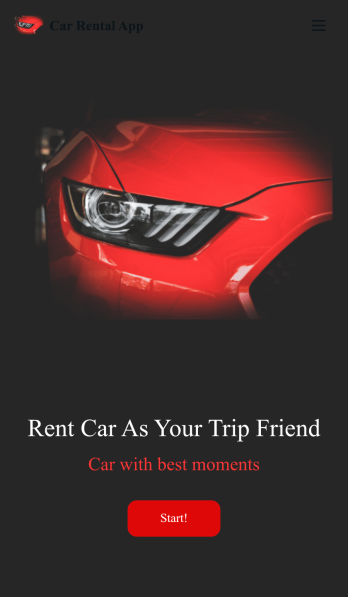
Custom Car Rental App
A car rental app is used by companies for collecting rental car reservations. Need to know how to rent out your cars online? With this free Car Rental App from Jotform, customers can access and download it onto any smartphone, tablet, or computer to book car reservations anywhere. There is also an option for customers to cancel existing reservations and leave feedback for your business. Reservations are stored in your secure Jotform account, so you can easily access them from one convenient location.Make changes to this app template with just a few easy clicks. Jotform’s intuitive app builder makes it easy to customize anything without any coding knowledge. Simply drag and drop to add or change form elements, edit text fields, create additional forms and pages, choose fonts and colors, upload images and your own branding, and much more. When you’re satisfied with the overall look and feel of your app, you can easily share it with customers by embedding it in your website or posting the app link in your social media bio. Start taking online car reservations today with this fully-customizable Car Rental App.
Go to Category:Booking Apps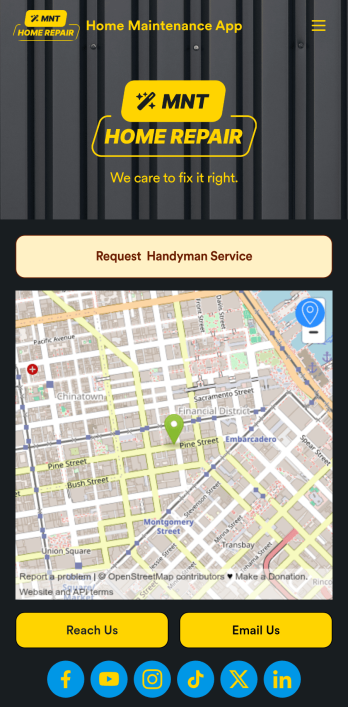
Home Maintenance App
A home maintenance app is used by construction companies and contractors to collect handyman service requests from customers. With this free Home Maintenance App from Jotform, customers can fill out a Handyman Service Request Form with their availability and general contact information, as well as the type of work they need performed. Customer requests are compiled and stored in your online account for ease of access, and can be sorted, filtered, and searched from any device.Make this app your own with Jotform’s drag-and-drop form builder. You can add or swap out form elements, choose fonts and colors, upload your logo, customize the splash page with your business address and phone number, and more — no coding necessary. Once you’re satisfied with the look and feel of your app, you can embed it in your website or share it with a link so customers can download it on any smartphone, tablet, or desktop. Make scheduling handyman service requests simple and easy with this Home Maintenance App.
Go to Category:Booking Apps
Beauty Salon Appointment App
A beauty salon appointment app helps clients book appointments, order beauty products, and find professionals who can help them look and feel their best. Create a mobile app for your beauty salon without any coding using our free Beauty Salon Appointment App Template. This ready-made template bundles multiple forms — including a client information form, COVID-19 consent form and an appointment form — all in one place. Clients will be able to fill out your forms from their smartphone, tablet, or computer with ease.Customizing your Beauty Salon Appointment App won’t take up any time with our drag-and-drop builder. You can easily add new forms to sell beauty supplies online, as well as add surveys, links, text, images, and even your branding for a more professional and personalized look. Once it’s ready to use, share your app by embedding the link in your website or posting it on social media. Stop wondering how to sell beauty supplies online and gather appointment bookings — create a contactless way for clients to book services and pay for products at your beauty salon with a fully-custom Beauty Salon Appointment App that works on any device.
Go to Category:Appointment & Booking Apps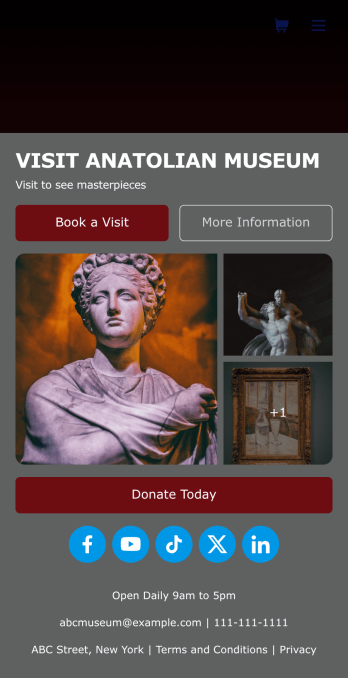
Museum App
A museum app makes it easier for visitors or members to book visits, submit donations, and more. Whether you manage a natural history museum, science center, or art gallery, make a mobile app for your museum with Jotform’s free Museum App. This customizable app template includes a homepage with a booking form and donation form, as well as menu pages containing exhibit details and FAQs. Visitors can easily download the app onto their computer or mobile device, so they can schedule their visits, pay for tickets, give donations, and submit feedback no matter where they are.Customize this Museum App for your museum or gallery in just a few clicks. With Jotform’s drag-and-drop builder, you won’t need to do any coding to add or remove forms, update text and images, upload logos, and include other app elements such as links, documents, or tables. Once your app is ready to use, share it on your museum website or social media accounts for visitors to save onto their own devices. With a fully-custom Museum App, you’ll make it easier for visitors to plan their next visit, helping to increase museum attendance!
Go to Category:Booking Apps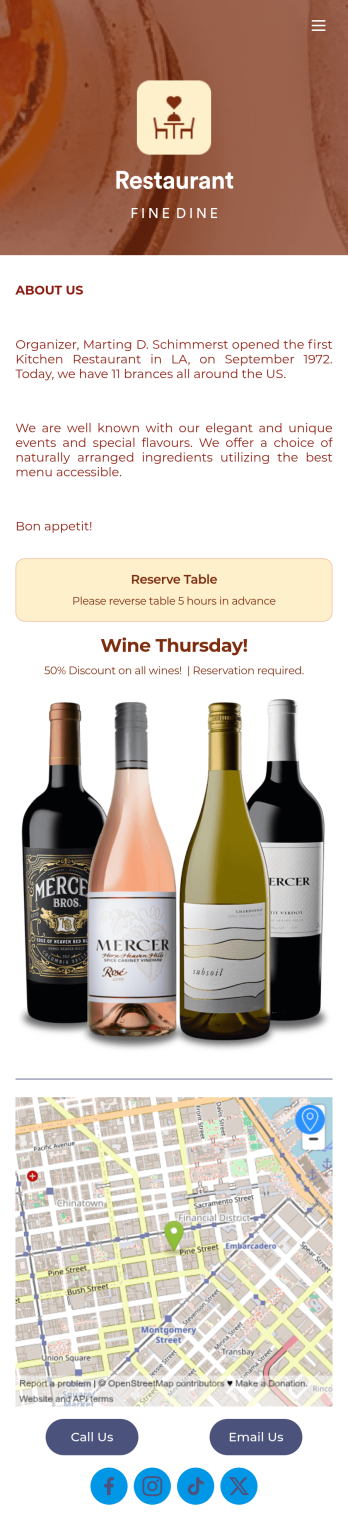
Restaurant Reservation Mobile App
Ditch the pen and paper and keep all your table reservations in one convenient location with our Restaurant Reservation Mobile App. This readymade app template allows guests to easily reserve a table online using their name, email, and phone number. Tapping on the embedded calendar displays all available reservation slots for a particular day. Your reservations are then compiled and stored securely in your account, and viewable in an easy-to-read database from any device.Want to customize this Restaurant Reservation Mobile App to match your restaurant’s branding? Our drag-and-drop interface makes it easy to add or change forms, choose fonts and colors, upload your logo, update the app name or text, and more — all with zero coding. You can even display signature dishes and inform customers of discounts or happy hours on your splash page. Just share a link to your app on your website or social media, and customers can access and download it on any smartphone, tablet, or computer. Start taking online table reservations today with this Restaurant Reservation Mobile App!
Go to Category:Booking Apps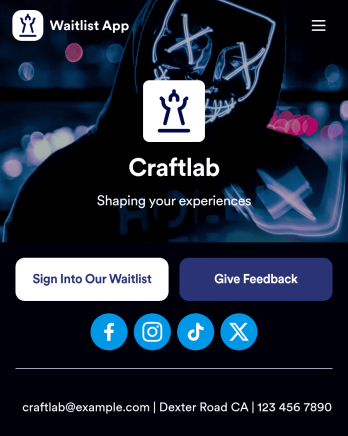
Waitlist App
A waitlist app allows restaurants to manage their waitlist from any device. Whether you manage a diner or a fine dining restaurant, manage your guest list and track wait times for your restaurant with our free Waitlist App that works on any device. You can add new guests to the waitlist using your restaurant’s smartphone, tablet, or computer, or guests can add themselves by downloading the app onto their own mobile device and filling out the form provided.Customize this Waitlist App for your restaurant without any coding. Using our drag-and-drop builder, you can add or remove forms, upload your logos and branding, change headings and fonts, and update app settings such as name, icon, and splash screen. When it’s ready to use, share your app with staff or post the app link on your restaurant’s website or social media accounts. You’ll receive waitlist requests instantly, stored in your secure Jotform account and ready to view and respond to from any device. Improve wait times and create a better customer experience with an efficient online Waitlist App for your restaurant.
Go to Category:Reservation Apps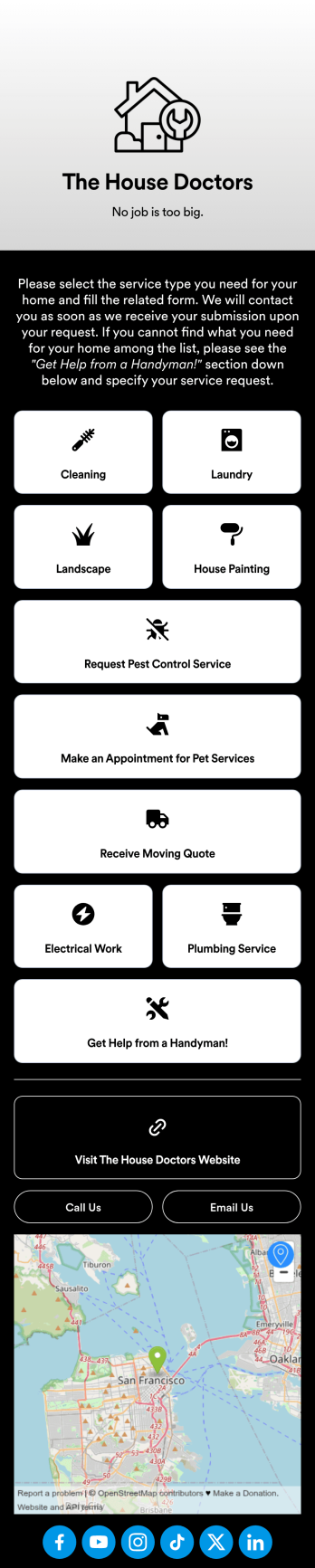
Custom Home Services App
No matter what home services you offer, create a mobile app for your customers with this ready-made Home Services App from Jotform. Clients can download the app to their smartphone or tablet to request cleaning, laundry, landscaping, painting, and other types of services on the go. All form submissions are stored in your Jotform account, so you can respond quickly and easily from anywhere.Want to make changes to this Home Services App? Drag and drop to update the design to match your branding and the services you offer. You can add your logo, change the app background, and more — all with no coding! Once your custom On-Demand Home Services App is ready to go, you can add it to your social media bio or share it with a link for customers to download onto any iOS or Android device.
Go to Category:Booking Apps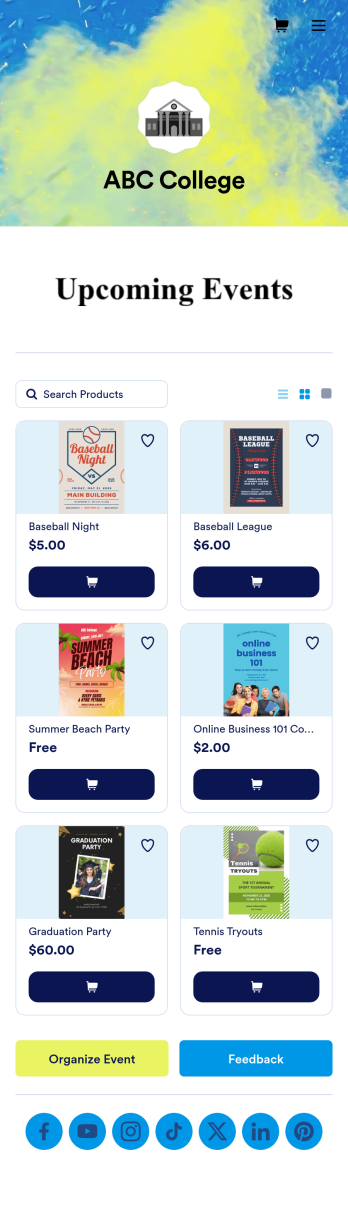
Custom College Events App
A college events app connects students to university events from any device. No matter what school you plan events for, let students know what’s coming soon with Jotform’s free College Events App. This customizable app template includes event posters, guest registration forms, and links to social media accounts that students can access from their smartphone, tablet, laptop, or computer. All submitted responses will be instantly synced to your secure Jotform account to be viewed or approved by you and other event staff.Make this College Events App stand out by using our drag-and-drop builder to customize it for your school. Without coding, you can add or remove forms, upload promotional images and videos, include tables and links, create buttons and pages, change the color scheme and fonts, and update the app name and icon to better represent your school. When it’s ready, your app can be shared on social media, your school website, or via the app link. Inform and excite students about upcoming events — and boost school pride — with a custom College Events App for your school!
Go to Category:Booking AppsAbout Booking App Templates
Booking apps are specialized mobile and web applications designed to streamline the scheduling, reservation, and management of various appointments and services. These apps serve a wide array of operational use cases, from coordinating meeting schedules and managing client appointments to organizing events and handling booking requests in real-time. Industries such as healthcare, hospitality, education, and personal services frequently utilize booking apps to enhance their workflow efficiency and improve customer satisfaction by offering a seamless and intuitive booking experience. Such apps are invaluable in creating organized, efficient, and user-friendly workflows across different sectors.
Jotform Apps, as a no-code app builder, empowers businesses to create customized booking apps without the need for extensive coding knowledge. By leveraging Progressive Web App (PWA) technology, Jotform Apps can be installed directly via a browser, eliminating the need for App Store downloads and ensuring compatibility across iOS, Android, tablets, and desktops. This ensures that users can access the app anytime and anywhere. Furthermore, Jotform Apps integrates centralized data management through Jotform Tables, allowing businesses to keep all booking data organized and easily accessible. This feature streamlines operations and enhances productivity by providing a cohesive view of all booking-related activities.
Why Use Booking Apps?
- Booking apps offer significant operational value by automating scheduling processes, thereby reducing the time and effort required to manage appointments manually. This automation allows businesses to allocate resources more efficiently and focus on core activities that drive growth.
- They enhance customer satisfaction by providing a user-friendly interface that allows clients to make appointments at their convenience, leading to improved client retention and loyalty. An intuitive booking experience can differentiate a business in competitive markets.
- With real-time updates and notifications, booking apps ensure that both customers and service providers remain informed about appointment statuses, minimizing the risk of missed appointments and no-shows. This feature helps maintain a smooth and reliable service delivery process.
- The integration of payment systems within booking apps allows businesses to collect payments at the time of booking, ensuring a seamless transaction process for both the service provider and the client. This capability supports cash flow management and reduces administrative burdens.
- By centralizing all booking information, these apps provide businesses with valuable insights and analytics that can inform decision-making and strategic planning. Access to such data enables businesses to identify trends, optimize service offerings, and improve overall efficiency.
Common Problems Solved by Booking Apps
- One of the primary industry pain points is the manual coordination of schedules, which is time-consuming and prone to errors. Booking apps automate this process, drastically reducing the risk of double bookings and scheduling conflicts, thus ensuring a more reliable service delivery.
- Businesses often struggle with managing last-minute cancellations and rescheduling requests. Booking apps streamline these processes by allowing customers to update their appointments easily, ensuring that businesses can adjust operations dynamically without losing potential revenue.
- In industries like healthcare or hospitality, managing high volumes of bookings can overwhelm traditional systems. Booking apps handle large-scale scheduling effortlessly, providing a scalable solution that grows with business demands.
- Traditional booking methods can lack the immediate communication capabilities that modern businesses require. Booking apps address this by offering push notifications and real-time updates, which keep both businesses and clients informed and engaged.
- Data management is another significant challenge, with information scattered across multiple platforms. Booking apps centralize data collection and storage, simplifying data management and ensuring compliance with data protection regulations.
Matching Use Cases to Features
- Businesses looking to enhance customer engagement can benefit from the Drag-and-Drop Interface, which allows for the easy customization of app layouts to suit specific branding and user experience needs. This customization helps create a personalized interaction that resonates with users.
- For companies that require frequent updates and reminders, the Push Notifications feature is invaluable. It keeps users informed about upcoming appointments or changes, reducing the likelihood of no-shows and enhancing service reliability.
- The integration of Payment Systems like Stripe and PayPal within booking apps allows businesses to collect deposits or full payments seamlessly. This feature ensures a smooth checkout experience and improves cash flow by securing payments upfront.
- Public, Private, and Company-only Publish Options ensure that booking apps are shared with the intended audience, maintaining privacy and control over who can access specific scheduling functionalities. This flexibility supports tailored distribution strategies for different business needs.
- Workflow Automation streamlines repetitive scheduling tasks, enabling businesses to focus on customer service and business development. By automating confirmations and reminders, companies can improve operational efficiency and reduce administrative overhead.
- Sharing Methods such as Direct Link, Email, QR Code, and Social Media facilitate easy distribution of the app, ensuring that clients can access booking services through their preferred channels. This enhances accessibility and drives user engagement.
- Offline Mode capabilities allow users to book services without an internet connection, providing uninterrupted service access in areas with limited connectivity. This ensures that businesses can maintain operations and provide consistent service to clients.
How to Create a Booking App
- Choose a category-relevant template from the Template List or start from scratch.
- Customize using the Drag-and-Drop Interface to tailor the app to your specific needs and branding.
- Share via Link, QR Code, or Embed to make your booking app easily accessible to your audience.
Top Use Cases for Booking Apps
- For Managers: Booking apps are vital for managers aiming to streamline operations and optimize resource allocation. By centralizing booking data, managers gain valuable insights into appointment trends and resource utilization, enabling them to make informed strategic decisions. These apps also facilitate efficient communication with team members and clients, ensuring that everyone is aligned and informed about schedules and responsibilities. By automating routine tasks, managers can focus on driving business growth and enhancing service offerings.
- For Teams: Booking apps empower teams by providing a cohesive platform for managing appointments and schedules collaboratively. With shared access to real-time booking information, team members can coordinate effectively, reducing the risk of scheduling conflicts and improving productivity. The use of push notifications and reminders ensures that all team members stay updated on changes, fostering a more responsive and agile work environment. This collaborative approach enhances team efficiency and supports a high level of service delivery.
- For Customers: Customers benefit significantly from the convenience and flexibility offered by booking apps. These apps provide a seamless booking experience, allowing clients to schedule appointments at their convenience and receive instant confirmations. The integration of payment options enables a hassle-free transaction process, enhancing the overall customer experience. Additionally, real-time updates and reminders keep customers informed about their appointments, improving satisfaction and building loyalty.
Summarizing Booking Apps
Booking apps play a crucial role in modern business operations by automating and streamlining the scheduling process, enhancing customer satisfaction, and improving overall efficiency. These apps provide a centralized platform for managing appointments, integrating payment systems, and offering real-time updates, all of which contribute to a seamless booking experience. By utilizing Jotform’s no-code app builder, businesses can create customized booking apps that cater to their specific needs, fostering better engagement and operational outcomes. The flexibility and accessibility provided by these apps make them an essential component of effective business management.
Frequently Asked Questions
1) Is it free to create and use Booking apps on Jotform?
Creating booking apps on Jotform is free with the Starter plan, which allows users to explore the basic features and capabilities of Jotform Apps. This plan is ideal for small businesses or individuals who are just starting with digital scheduling solutions. As your business grows, you can upgrade to paid plans that offer additional features and greater flexibility to accommodate more complex booking needs.
2) Are the data and payments collected through the app secure?
Yes, the data and payments collected through Jotform Apps are secure. Jotform ensures that all data is protected by implementing industry-standard security measures, including SSL encryption and GDPR compliance. Payment integrations with platforms like Stripe and PayPal further ensure that financial transactions are secure and reliable, providing peace of mind to both businesses and their customers.
3) Do I need any coding skills to create a Booking app with Jotform?
No coding skills are required to create a booking app with Jotform. The platform's user-friendly interface is designed to enable anyone to build and customize apps using a simple Drag-and-Drop Interface. This democratizes app development, allowing businesses of all sizes to create sophisticated booking apps that meet their specific requirements without the need for technical expertise.
4) Can I collect payments for services directly through the app?
Yes, you can collect payments for services directly through the app. Jotform Apps supports payment integrations with popular platforms such as Stripe and PayPal. These integrations allow you to secure payments at the time of booking, facilitating a smooth and efficient transaction process that benefits both the business and its customers.
5) Does Jotform support offline data collection for Booking apps?
Jotform supports offline data collection through its mobile forms feature. This capability ensures that users can continue to book services even when an internet connection is unavailable, making it particularly useful for businesses operating in areas with limited connectivity. Data collected offline is automatically synced once a connection is re-established, ensuring continuity and reliability.
6) Are Jotform Apps compatible with both iOS and Android devices?
Yes, Jotform Apps are compatible with both iOS and Android devices. Built using Progressive Web App (PWA) technology, these apps can be installed directly from a browser and accessed on any device, including tablets and desktops. This cross-platform compatibility ensures that both businesses and customers can interact with the booking app seamlessly, regardless of the device they use.
7) How can booking apps improve customer engagement in the hospitality industry?
Booking apps enhance customer engagement in the hospitality industry by providing a seamless and convenient way for guests to make reservations and manage their stays. Features like real-time updates, personalized notifications, and integrated payment options improve the overall guest experience, fostering loyalty and repeat business. Additionally, centralized data allows businesses to tailor services and offers to individual preferences, further enhancing engagement.
8) What are the benefits of using booking apps in healthcare settings?
In healthcare settings, booking apps streamline the appointment scheduling process, reducing administrative burdens and minimizing wait times for patients. These apps allow healthcare providers to manage appointments efficiently, ensuring optimal resource allocation and reducing the risk of double bookings. Patients benefit from the convenience of online booking, immediate confirmation, and reminders, which improve adherence to scheduled appointments and enhance patient satisfaction.