
Whether you’ve recently graduated or are just starting your freshman year, it’s never too early to look for ways to gain an edge in the job market. But are you looking for advice in the right places? One vital and often overlooked resource may be right under your nose.
Alumni from your university are one of your best networking assets. They can offer insider insight into potential job opportunities, hiring requirements, and benefits of going into certain fields. These connections can provide the kind of information you won’t find in a job description or on a company website: honest, firsthand perspectives that can help you better approach job applications and interviews.
But the value of the information you glean from alumni depends on the questions you ask. The next time you connect with alumni through a one-on-one conversation, email, or alumni panel, have a few thoughtful questions ready so you can build stronger connections and take the next step in your career. To help get you started, we’ve put together a list of questions to ask during your next networking conversation.
Career path questions
If you’re reaching out to an alum who works in a position you’d like to pursue, finding out more about their career path can help you create a similar road map for your own. Try asking some of the following questions:
- Can you walk me through your career path and the turning points that led to your current role?
- What was your first job after college, and how did that experience prepare you for your current role?
- Which courses or subjects best prepared you for your current role?
- What did it take to land your first job after college?
- If you could start your career over, what would you do differently?
- What’s the best piece of advice you received during your career journey?
- What do you know now about the “real world” that you wish you’d known when you were in my shoes?
Industry and organization questions
Trying to move into a specific industry or company? Leverage the experience of alumni in the field to get a clearer picture of what’s ahead.
- What developments or trends in the [INDUSTRY NAME] industry could affect future job opportunities?
- Based on your experience, what qualities or skills do the most successful people in your industry have in common?
- What are the biggest challenges facing your industry right now, and how is the industry responding to them?
- How would you describe your company’s day-to-day culture?
- What are your company’s mission and core values, and do you see them reflected in difficult decisions?
- How does your organization approach work-life balance and employee well-being?
- How visible and involved is leadership in both general operations and employee development?
College experience questions
An alum’s college experience can color the path they took and the decisions they made. Learning about their unique experiences can help you make more informed choices and build a stronger connection.
- How did you spend your time outside of class?
- Which classes or professors had the biggest impact on your career path?
- Did you feel the curriculum prepared you for your first role after graduation?
- Did you use the university’s career services or alumni network?
- What were your impressions of the [PROGRAM NAME] program?
- In your experience, how do employers view candidates from [SCHOOL NAME]?
- What resources at [SCHOOL NAME] do you wish you had taken advantage of?
Final questions before ending the call
Before ending a conversation with an alum, take the opportunity to ask any final questions that could help you maintain the relationship and gain additional insights.
- Who else should I talk to in this field?
- How can I stay on your radar as I move through my job search?
- How can I be a resource for you?
- Do you mind if I connect with you on LinkedIn and keep you updated on my progress?
- If I have a quick question in the future, would it be all right if I emailed you?
- Are there any resources, organizations, or publications you would recommend for learning more about this field?
- Based on our conversation, are there any skills or areas you believe I should focus on developing?
How to prepare for an alumni networking call
The best way to ask the right questions and have a productive conversation with an alum is to prepare ahead of time. Before you reach out, use these tips to make sure you’re ready for your conversation:
- Research your contact: If you want to make a good impression, it’s important to do your homework. Take note of current projects, roles, or shared connections that can help you build rapport.
- Prepare an elevator pitch: Alumni will likely want to know about you, but they don’t need to hear your life story. Be ready with a concise overview of your background and why you want to connect.
- Have a list of thoughtful questions ready: You need to have questions ready when it comes time to talk, or you risk looking unprepared and wasting their time. That said, try to follow the natural flow of the conversation and practice active listening rather than sticking too closely to a predetermined list of questions.
- Be punctual: If you’re scheduling calls or meetings with alumni, it’s your responsibility to be early and ready to start on time. If you know you’re going to be late, let them know as soon as possible and explain why.
- Listen actively: Don’t just wait for your turn to speak. Take notes, listen carefully, process what they’re saying, and contribute to the conversation naturally. These notes will be helpful later and also help you craft a thoughtful follow-up message.
- Be respectful of time: Don’t go over the time you allotted for your conversation. If you scheduled a 15-minute meeting, be prepared to end at that time unless the alum explicitly offers to continue. To stay on track, keep an eye on the clock and communicate efficiently.
Following these tips can help you make a strong first impression and build lasting connections with alumni who can make a difference in your professional journey.
Pro Tip
Avoid these mistakes when networking with alumni:
- Never ask for a referral in the first 10 minutes.
- Don’t ask their personal salary; ask for “entry-level ranges.”
- Don’t ask for information you could easily learn from their LinkedIn profile.
Use this alumni outreach template for LinkedIn or email
Hello [NAME],
My name is [YOUR NAME], and I’m a [MAJOR] student in my [COLLEGIATE YEAR] year at [SCHOOL NAME]. I came across your profile while looking for [SCHOOL NAME] alumni working in the [INDUSTRY NAME] industry.
Your experience stood out to me, and I’d love to learn more about your career path. If you have 15 minutes to spare, I’d appreciate the opportunity to hear about how you entered the [INDUSTRY NAME] industry and any advice you might have for a fellow [SCHOOL NAME] student.
Thank you for your time and consideration.
Best regards,
[YOUR NAME]
[LINKEDIN PROFILE]
Pro Tip
The most important thing to do after an alumni networking event? Send a personalized thank-you note within one day. Mention one specific piece of advice they shared and how you plan to apply it. It’s a simple way to show your appreciation and reinforce the connection you’ve started to build.
Don’t get ghosted. Get more responses with Jotform
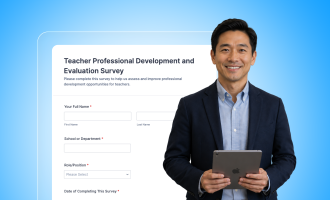
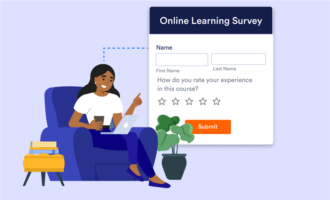
The last thing you want is to put in the effort to connect with alumni only to be left on read. But let’s face it: Some alumni simply don’t have the time for a sit-down conversation or a lengthy email exchange. With a structured survey, you can gather initial information more efficiently. That way, you can use the responses to better prepare for a future conversation while respecting your contacts’ time.
With the support of modern educational technology tools, doing this is easier than ever. The best way to build an attention-grabbing survey? Use one of Jotform’s survey-building tools. Jotform makes creating surveys easy with our free online survey maker and AI survey generator. These tools transform the survey-creation process into just a few clicks, helping you find the best survey questions for your alumni and improve your survey data collection.
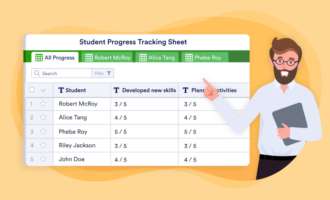
Once created, Jotform surveys can be easily shared via email and tracked using Jotform Tables, a free, integrated data management tool that helps organize and analyze survey data. By streamlining your outreach process with these tools, you can increase response rates and make it easier to prepare for future conversations with alumni.
Choose from ready-to-use survey templates in Jotform
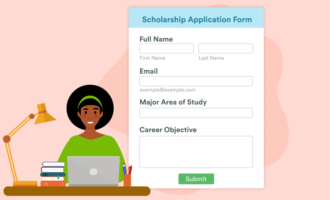
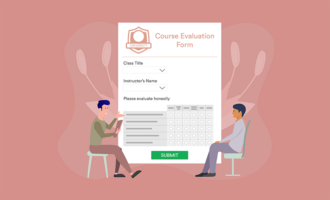
Looking to save even more time on alumni outreach? Try one of the 12,000-plus survey templates or 20,000-plus form templates available for free with Jotform. With these templates, you can create and send a survey in under two minutes while maintaining a clean, professional, mobile-optimized design that will place you at the top of your alumni’s callback list.
FAQs about alumni questions
From LinkedIn to community events, there are many ways to keep in touch with alumni. Digital options include
- Social media
- Digital alumni groups
- Webinars
You can also maintain an in-person relationship with alumni through options such as
- Campus gatherings
- Alumni clubs
- Informational interviews
When you meet with an alum, it’s best to talk about a mix of professional and personal experiences. Start by connecting over shared college experiences, such as favorite professors or classes. Then you can transition into questions about career, industry, or position.
Cold messages to alumni should be brief, but they should also include vital context, such as who you are, how you found them, and why you are reaching out. Start by highlighting any shared experiences, then elaborate on why you’re reaching out. If you are trying to schedule a call or interview, stay flexible and respectful of their time. Remember that alumni are helping you, not the other way around.
Avoid asking for a job, money, or other forms of assistance in your initial message. It’s also important to provide context rather than sending a LinkedIn connection request with no explanation.
Stay in touch after your initial conversation with an alum by sending a thank-you note, connecting on LinkedIn, and sharing occasional updates on your progress. Over time, these small gestures can help turn a one-time networking conversation into a long-term professional relationship.
This article is for current students, recent graduates, and career counselors looking to facilitate meaningful connections, career discovery, and professional networking.


















































































Send Comment: