

Hospitality Apps

Catering App
Need to find out how to sell catering items online? A catering app allows customers to quickly and easily hire caterers and order food for their events. Get a head start creating an app for your own catering company with our free Catering App. This pre-made template includes a menu and order form for customers to access from their smartphone, tablet, or computer. Customers can easily place their orders from any device, and you’ll receive submissions instantly in your secure Jotform account.Customize your Catering App in just a couple of clicks with our no-code app builder. Simply drag and drop to add more forms, update text, upload images, embed links, and change app settings. When it’s ready, embed the app link in your website or share it on social media to start receiving orders from customers. Take your catering business to the next level and sell catering items online with a professional Catering App.
Go to Category:Delivery Apps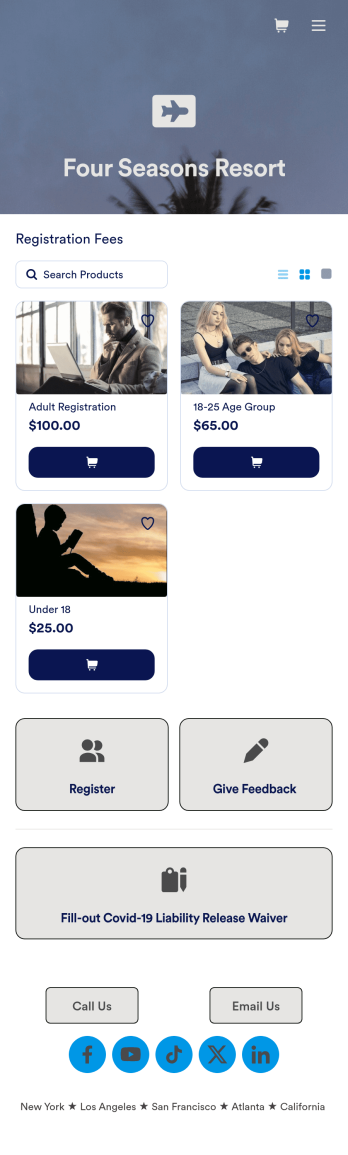
Guest Registration App
A guest registration app makes it easier for guests to register for events using any device. Whether you need to register guests for events, hotel bookings, school courses, or summer camp, get started with Jotform’s free Guest Registration App. This prebuilt template includes a registration form, feedback form, contact form, and COVID-19 liability waiver form that guests can easily fill out using any smartphone, tablet, or computer. Submissions will be instantly synced to your secure Jotform account, which lets you view form entries in an inbox, spreadsheet, calendar, or as cards.Make this Guest Registration App better meet your needs by customizing it with Jotform’s drag-and-drop builder. No coding necessary — you can add forms and tables, embed links and documents, upload images and videos, and much more in just a few clicks. Share the app with guests by posting the app link on your website or sending email invitations asking them to download it onto their own device. Streamline the registration process by making it simple from any device with a fully custom Guest Registration App for your event, hotel, program, or school!
Go to Category:Appointment & Booking Apps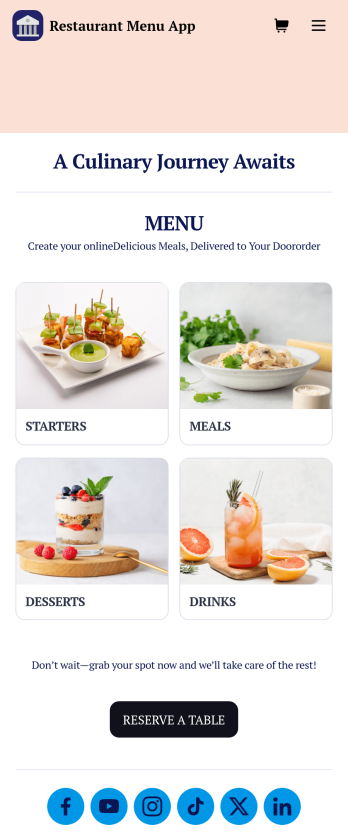
Restaurant Menu App
Need to know how to sell restaurant food online? A restaurant menu app is used by restaurants, cafes, and diners for managing table reservations and taking food and drink orders. This Restaurant Menu App contains three forms which allow customers to reserve tables and order from separate food and drink menus. Customers can place orders before they get to the restaurant, or specify orders for pick-up or delivery. Submissions are instantly synced to your Jotform account, which you and your staff can access from any device.Customize this app template to match your restaurant’s branding using Jotform’s no-code form builder. Just drag and drop to add or change form elements, choose fonts and colors, upload your logo, create a custom app icon, and more. You can also include thumbnail images for menu items and showcase popular dishes on your app’s splash screen. After you’re done, simply share a link on your website or social media, and customers can access and download your app on any smartphone, tablet, desktop. Manage reservations and sell restaurant food online from one convenient app with this Restaurant Menu App.
Go to Category:Food & Beverage Apps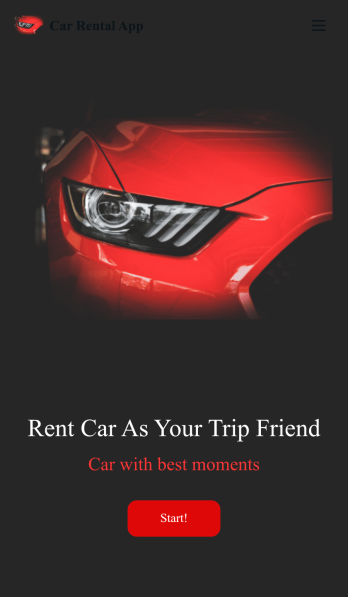
Custom Car Rental App
A car rental app is used by companies for collecting rental car reservations. Need to know how to rent out your cars online? With this free Car Rental App from Jotform, customers can access and download it onto any smartphone, tablet, or computer to book car reservations anywhere. There is also an option for customers to cancel existing reservations and leave feedback for your business. Reservations are stored in your secure Jotform account, so you can easily access them from one convenient location.Make changes to this app template with just a few easy clicks. Jotform’s intuitive app builder makes it easy to customize anything without any coding knowledge. Simply drag and drop to add or change form elements, edit text fields, create additional forms and pages, choose fonts and colors, upload images and your own branding, and much more. When you’re satisfied with the overall look and feel of your app, you can easily share it with customers by embedding it in your website or posting the app link in your social media bio. Start taking online car reservations today with this fully-customizable Car Rental App.
Go to Category:Booking Apps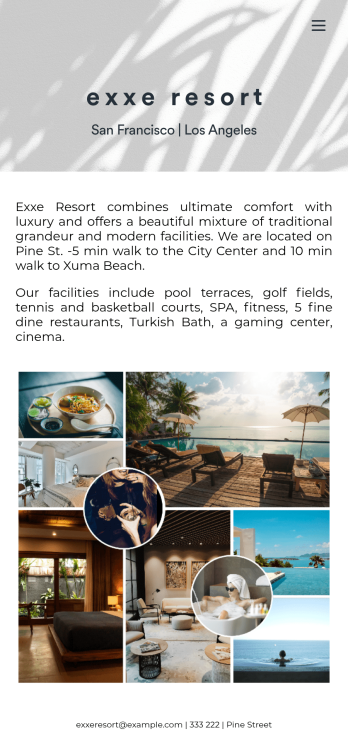
Customizable Hotel Reservation App
A hotel reservation app makes it easier for guests to book rooms at hotels from any device. Streamline the reservation process for your hotel with our free Hotel Reservation App. This ready-to-use app template includes forms for guests to view and book rooms and schedule spa appointments. Bookings will be received instantly and stored in your Jotform account, ready to view from any device.Make this Hotel Reservation App your own by customizing it with our drag-and-drop builder. It’s easy to add pages, forms, links, images, and even your branding in just a few clicks. Once it’s ready for guests to use, share the app link on your hotel’s website — guests will be able to download it onto their own smartphone, tablet, or desktop computer. Make online reservations for your hotel a breeze with a professional and fully-custom Hotel Reservation App.
Go to Category:Booking Apps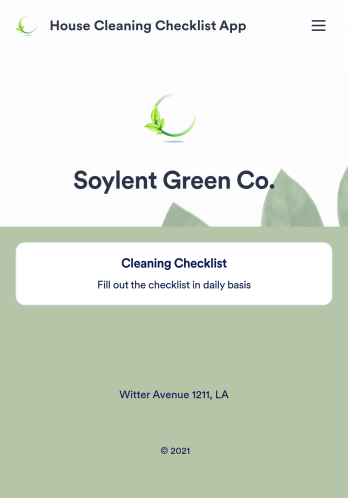
House Cleaning Checklist App
Complete checklists for house cleanings with a free House Cleaning Checklist App! Housekeepers, cleaning services, and homeowners can keep a thorough record through the app’s Morning Cleaning Checklist, which lets them enter their name, the date and time of the cleaning, which areas have been cleaned, and sign off on it with an e-signature. All submissions are stored securely and ready to view on any device.Feel free to make changes to this House Cleaning Checklist App template with our drag-and-drop app builder. Add a logo, change the app icon, include images, and add more forms, links, documents, and other app elements at the touch of a button. When your app is ready to go, share it with a link to download onto any computer, tablet, or smartphone instantly. Ditch messy paper checklists and save time with a free House Cleaning Checklist App from Jotform.
Go to Category:Checklist Apps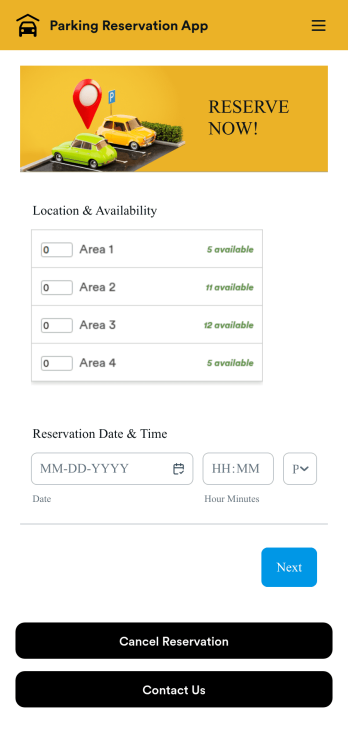
Customizable Parking Reservation App
The Parking Reservation App template on Jotform Apps is a game-changer for parking lot operators, airports, hotels, resorts, and municipalities. With this template, users can easily reserve parking spots in advance, saving time and ensuring convenience for their customers. The no-code app builder allows users to customize the app with forms, widgets, products, and branding, creating a fully personalized app for downloading on any device. Whether it's streamlining parking reservations for events or managing daily parking availability, this template solves the hassle of manual booking systems and ensures a smooth parking experience for all users.Explore the top Jotform Apps features that make creating your own app a breeze. The drag-and-drop builder allows for quick app creation, while powerful app elements like forms, images, and data collection options enrich the user experience. With over 70 app widgets available, users can enhance their app with checklists, videos, maps, and social media links. The flexible app designer allows for easy customization, and ready-to-use layouts make it simple to create a professional app design. Enhance user engagement with push notifications and ensure high visibility and prompt action with this innovative app template.
Go to Category:Reservation Apps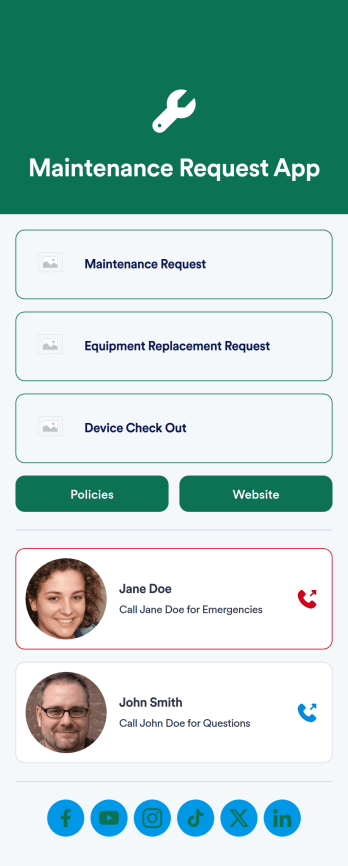
Maintenance Request App
A Maintenance Request App is a no-code digital solution designed to help property managers, landlords, and maintenance teams streamline the process of receiving, tracking, and resolving maintenance requests. With this app, tenants or employees can easily report issues, upload photos, and provide detailed descriptions of maintenance needs. The app serves as a centralized hub to track request statuses, prioritize urgent tasks, and keep all parties informed. Whether you’re managing an apartment complex, office building, or industrial facility, this app simplifies communication, improves response times, and ensures maintenance tasks are efficiently handled.Jotform’s no-code app builder lets you customize the Maintenance Request App to fit your specific needs. Use the drag-and-drop builder to add forms for requests, approval workflows, or even checklists for technicians. With features like Jotform Tables, you can manage submissions in a spreadsheet-style interface for better data analysis. Share the app via custom URLs, QR codes, or email invitations, and allow users to access it on any device. Take control of your maintenance management with Jotform Apps today!
Go to Category:Inspection Apps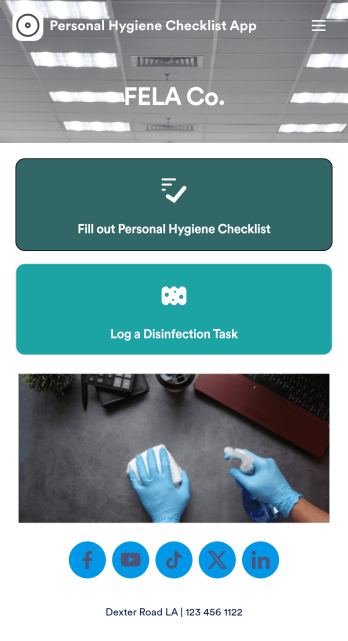
Customizable Personal Hygiene Checklist App
A personal hygiene checklist app is used by employers to track the personal hygiene practices of their employees. With this free Personal Hygiene Checklist App from Jotform, your employees can download the app onto their iOS or Android device and fill out personal hygiene checklists during their shifts. All responses are stored securely in your Jotform account, ready to view or show to a health inspection agency at any time, on any device.Want to make changes to this app template? Use our drag-and-drop app builder to rearrange the app layout, update forms, and make other design changes like uploading your logo, selecting new fonts, or choosing a new app icon or background. Once your app is ready to go, share it with employees via email or app link to start collecting submissions. Switch from paper forms to online forms to keep your health and safety info organized with this Personal Hygiene Checklist App.
Go to Category:Checklist Apps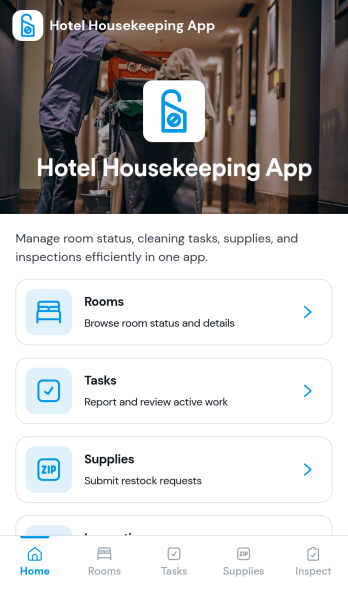
Hotel Housekeeping App
Hotel Housekeeping App brings daily room operations into one place so housekeeping teams can stay aligned from shift start to final checks. Use it to view assigned tasks by room, capture an at-a-glance shift overview, and keep work moving without chasing updates across radios, paper sheets, or scattered messages. It also supports fast reporting when something is off in a room, helping staff flag maintenance needs, missing items, or guest-impacting problems as soon as they’re noticed. Supervisors can use the same workflow to coordinate priorities, reduce missed cleanings, and create more consistent room readiness across floors and properties.Built with Jotform App Templates, this app template can be tailored in Jotform’s no-code app builder with a drag-and-drop interface. Connect the navigation cards to your existing workflows for data collection, inspections, and issue reporting, then share the app with your housekeeping team for simple self-service access on mobile. As updates come in, Jotform helps you keep records organized, improve handoffs, and maintain a clear operational trail for tasks and room checks.
Go to Category:Hotel Management Apps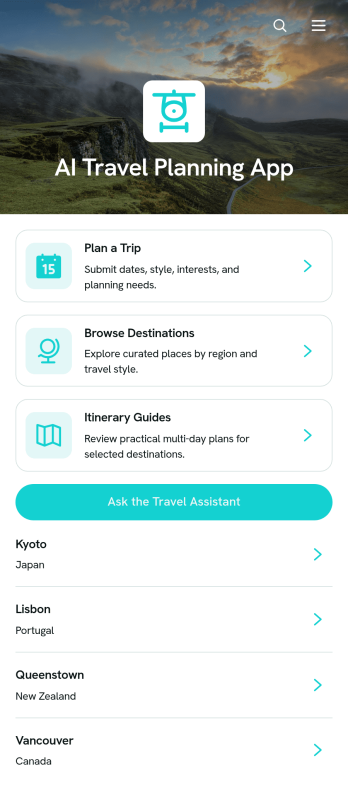
AI Travel Planning App
AI Travel Planning App gives travelers and travel professionals a central place to explore destinations, request personalized trip plans, review itinerary guides, and consult a travel assistant. It is well suited to travel agencies, tour operators, hospitality teams, destination marketers, corporate travel coordinators, and independent advisors seeking a more engaging planning experience. Visitors can compare destination highlights and travel styles before viewing matching guides or submitting a planning request. By bringing inspiration, itinerary details, common questions, and guided assistance together, the app reduces scattered communication and helps users move from early research to a practical travel plan.Jotform makes this app template easy to adapt without coding. Use the drag-and-drop app builder to update pages, cards, buttons, imagery, fonts, and branding, then connect forms and other workflows for organized data collection. Teams can add or revise destination content, publish mobile-friendly resources, and share the finished AI Travel Planning App through a direct link or QR code. Jotform App Templates provide a flexible starting point for creating polished self-service experiences that can grow with new destinations, itinerary guides, and planning services.
Go to Category:Trip Planner Apps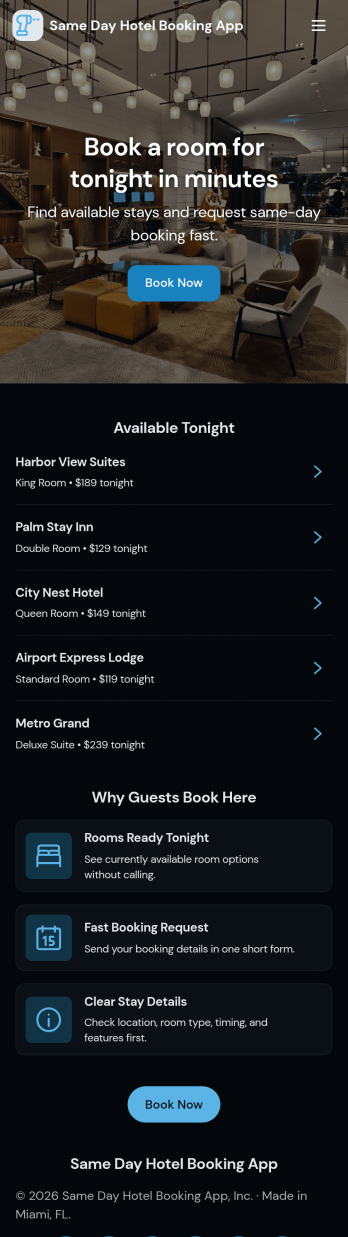
Same Day Hotel Booking App
Same Day Hotel Booking App helps hotels and short-stay properties offer a fast, guest-friendly way to reserve a room for tonight without phone calls or long email threads. Guests can browse available room options, jump straight into a “Book Today” flow, and quickly confirm a stay, while returning visitors can open My Bookings to review upcoming or recent reservations. It’s a great fit for boutique hotels, serviced apartments, inns, and front-desk teams that need a simple, mobile-ready booking experience for walk-ins, last-minute travelers, and local staycations.Built with Jotform, this app template combines self-service booking with organized data collection so your team can keep reservations tidy and easy to manage. Customize pages and room listings, connect the Reserve This Room button to your booking form, and manage entries through linked tables for better visibility. With Jotform’s no-code app builder and drag-and-drop interface, you can publish a branded experience in minutes, share it by link or QR code, and keep the booking workflow consistent across devices.
Go to Category:Booking Apps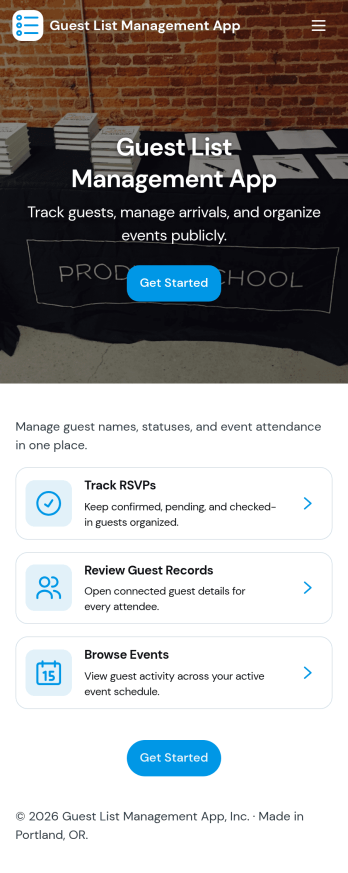
Guest List Management App
Guest List Management App helps you organize event attendees in one place so hosts and staff can quickly find names, add new guests on the fly, and keep entry moving. It’s built for event planners, venues, wedding coordinators, community organizers, and corporate teams who need a reliable way to manage a guest list, track check-in status, and reference table assignments without digging through spreadsheets or printed pages. With dedicated areas for a guest list, check in, and tables, it supports everything from intimate private events to larger receptions where multiple people may be helping at the door.Jotform makes it easy to turn this guest list management workflow into a shareable, mobile-friendly experience using its no-code app builder and drag-and-drop interface. Connect the app to a guest list form for fast data collection, keep information organized for self-service browsing, and update details in real time as plans change. You can tailor pages, branding, and navigation to match your event, then share the app with your team through a link or QR code so everyone works from the same up-to-date information.
Go to Category:Event Planner Apps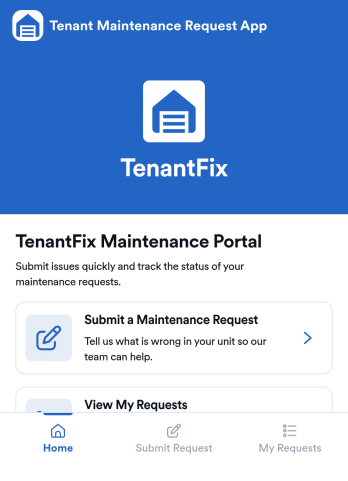
Tenant Maintenance Request App
Tenant Maintenance Request App is a ready-to-use app template designed to streamline the process of handling maintenance requests for property managers, landlords, real estate companies, and facility management teams. The template facilitates a seamless transition from traditional, paper-based request systems to a more efficient, digital approach. The app collects valuable data such as tenant contact information, detailed description of the issue, and preferred time for the repair, promoting clarity and consistency in managing service requests. Ideal for both residential and commercial properties, this template not only simplifies the request submission process for tenants but also allows property managers to collate and manage all requests in one centralized location. The immediacy of this template ensures that no maintenance request goes unnoticed, which in turn increases tenant satisfaction and maintains the condition of the property.Jotform's Tenant Maintenance Request App offers a wealth of features that cater to the specific needs of the property management industry. Its ease of use, combined with the ability to easily collect electronic signatures, makes it an optimal choice for today's digital era. The drag-and-drop interface allows for effortless customization, enabling property managers to adapt the app to their unique requirements, without needing to write a single line of code. Furthermore, teams can benefit from the ability to produce comprehensive reports and export data to sheets for an in-depth analysis of maintenance issues and trends. By implementing this digital solution, property managers can optimize their operational workflows, making the property management process more efficient and effective.
Go to Category:Rental Apps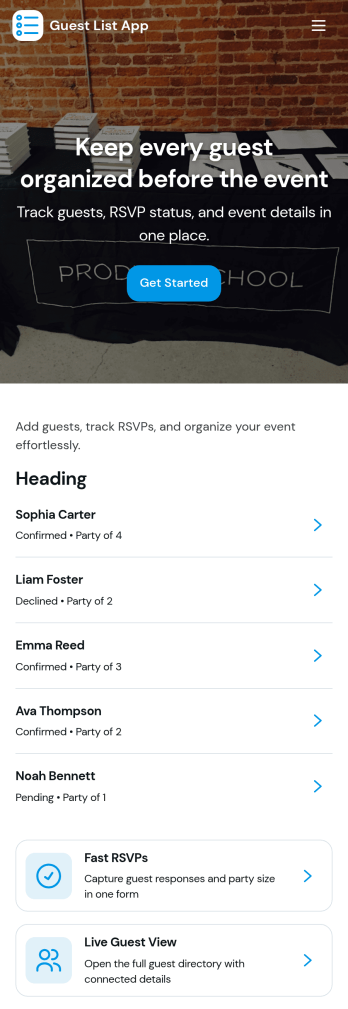
Guest List App
Guest List App helps you organize invitees for an event in one place, so you can browse guests, view individual guest details, and add new names as plans evolve. It fits event planners, wedding coordinators, venue teams, hosts, and community organizers who need a clear, shareable list that’s easy to reference on the go. Use it to reduce missed invites, avoid duplicate entries, and keep everyone aligned on who’s expected. With simple navigation, you can jump from the main guest list to a guest profile and record RSVP updates when responses come in.Jotform makes it easy to turn this app template into a self-service experience without code. Customize pages with a drag-and-drop app builder, connect the app to forms for fast data collection, and keep information organized as your workflow changes. Share a single link with your team, update your guest information in real time, and create a cleaner check-in and communication process for any event size.
Go to Category:Event Planner Apps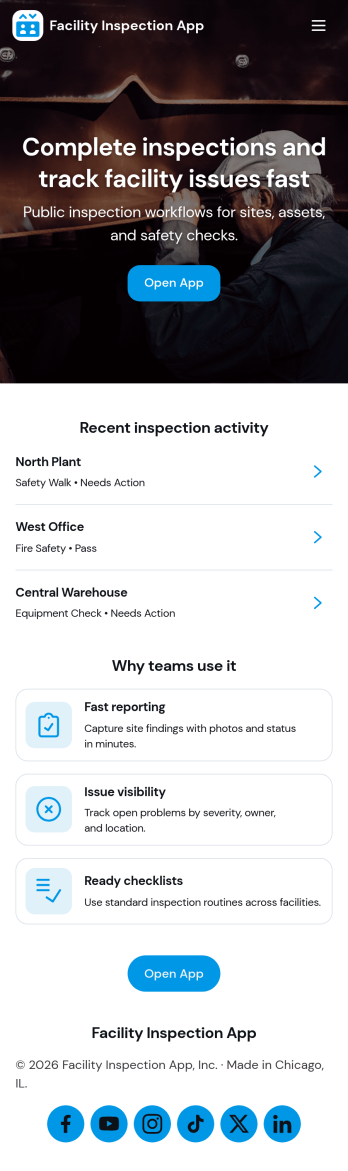
Facility Inspection App
Facility Inspection App helps teams run repeatable site checks and keep every inspection in one place, from quick walkthroughs to scheduled audits. Staff can start a new inspection on-site, review inspection records later, and document follow-ups through corrective actions when issues are found. It’s a practical fit for facilities managers, operations leaders, safety coordinators, property managers, and maintenance teams who need consistent documentation across multiple locations or departments.Built with Jotform, this app template supports self-service reporting with a mobile-friendly experience, so inspectors can capture details while they’re on the floor. Use Jotform’s no-code app builder and drag-and-drop interface to tailor pages, connect the inspection and corrective action forms, and keep your workflow organized from submission to resolution. Share the app by link or QR code, route updates to the right people, and keep data collection structured without adding admin overhead.
Go to Category:Checklist Apps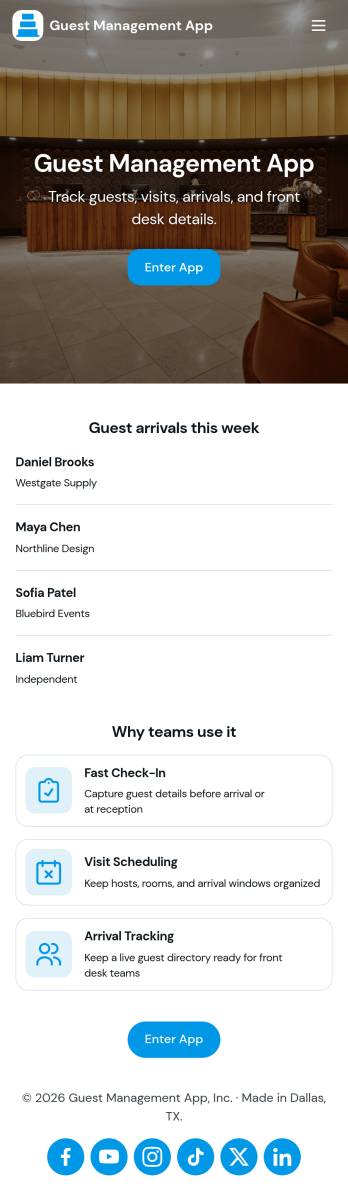
Guest Management App
Guest Management App helps you manage visitors from arrival to departure in one place, making it easier to keep track of who is on-site and who they’re here to see. It supports fast check-ins, a searchable guest list, and a live view of active guests, which is useful for offices, coworking spaces, property managers, schools, studios, and event teams who need a clear front-desk process without confusion.With Jotform, you can turn this app template into a branded self-service experience using a no-code app builder and a drag-and-drop interface. Connect the app to your check-in form and guest records for reliable data collection, then share it by link or QR code for staff tablets or reception kiosks. As your workflow changes, you can adjust pages, buttons, and record views to match how your team greets guests and maintains accurate visitor activity.
Go to Category:Company Portal Apps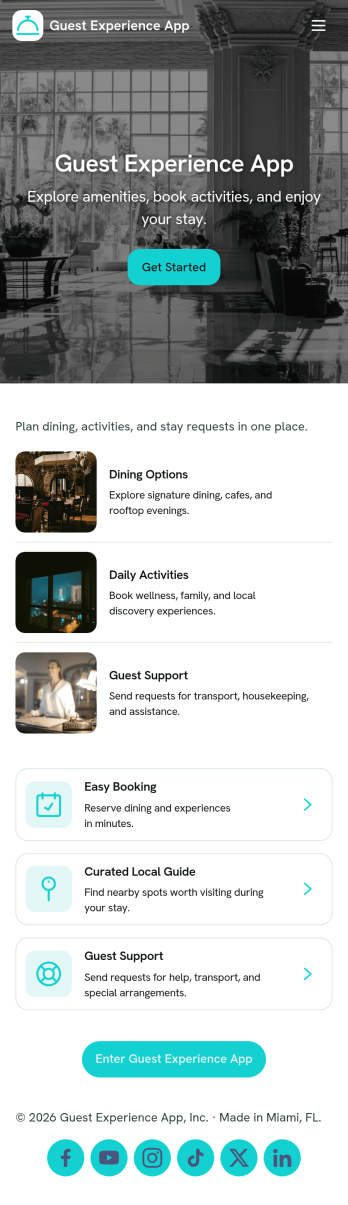
Guest Experience App
Guest Experience App brings key guest touchpoints into one easy place, so visitors can find what they need and get help without hunting through multiple channels. Use it in hotels, short-term rentals, resorts, event venues, and serviced apartments to share a local guide, highlight guest services, route service requests, and collect feedback while the stay is still in progress. It’s especially helpful for front desk teams, concierge staff, property managers, and hosts who want a consistent experience across locations and a clearer view of what guests are asking for.With Jotform, you can customize this app template with a no-code app builder and a drag-and-drop interface, then connect it to forms for fast data collection and smoother workflow follow-up. Add or rearrange pages, update cards and buttons, and publish a mobile-friendly self-service hub guests can open from a link or QR code. As requests and feedback come in, your team can respond faster, keep service organized, and refine the guest journey using the same Jotform workspace.
Go to Category:Customer Portal Apps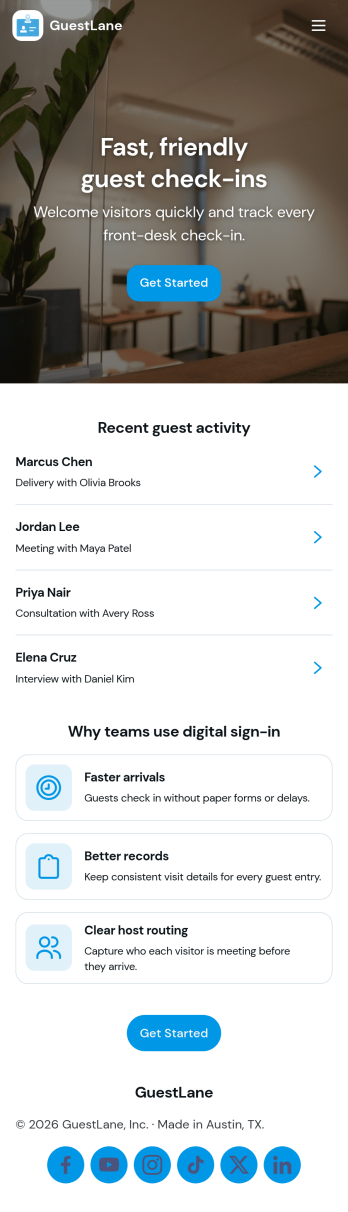
Guest Sign In App
Guest Sign In App helps organizations welcome visitors, capture essential details at arrival, and keep a clear guest log that staff can reference at any time. It’s ideal for offices, coworking spaces, schools, clinics, warehouses, and property management teams that need a simple way to guide guests to sign in, view past entries in a log-style list, and quickly contact the front desk when help is needed.With Jotform, you can turn this use case into a polished self-service experience using App Templates and a no-code app builder. Customize pages with a drag-and-drop interface, connect the sign-in form to a table for organized data collection, and publish a shareable link so guests and staff can access the workflow from a phone, tablet, or kiosk setup.
Go to Category:Company Portal Apps
ICU Patient Management App
ICU Patient Management App brings patient oversight into one place for critical care teams that need a clear view of who is in the unit, what condition they’re in, and what needs attention next. Use it to review the open patient census, open an individual patient profile, and add new patient records as admissions change throughout the shift. Clinicians can also document ICU rounds and flag issues by creating patient alerts, helping the team stay aligned on rounding updates and high-priority needs without hunting across disconnected notes.Built with Jotform, this app template turns everyday ICU workflows into a shareable, mobile-friendly experience using a no-code app builder and a drag-and-drop interface. Connect pages to forms and data tables to support consistent data collection for patient records, round entries, and alerts, then organize what matters most with simple navigation and report-style views. Customize the layout, branding, and access so charge nurses, intensivists, and support staff can use the same workflow from any device.
Go to Category:Healthcare Apps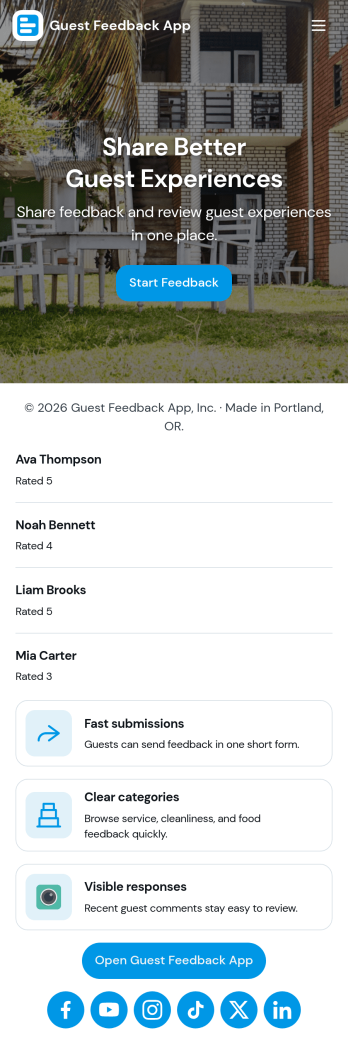
Guest Feedback App
Guest Feedback App helps hotels, vacation rentals, restaurants, and event venues collect guest comments while the experience is still fresh. Guests can quickly leave feedback from a single entry point, and staff can review recent responses to spot patterns, recover service issues, and highlight wins. It’s especially useful for front desk teams, guest services, and managers who want a consistent way to hear from guests without chasing paper cards or scattered messages.With Jotform’s app templates, you can publish a branded feedback experience in minutes and tailor it to your operation using a no-code app builder and a drag-and-drop interface. Connect the app to forms for data collection, route updates through simple workflow steps, and share it via a link or QR code so guests can access self-service feedback anytime. As feedback grows, you can keep information organized and make it easier for teams to collaborate and act on guest insights.
Go to Category:Community & Engagement Portal Apps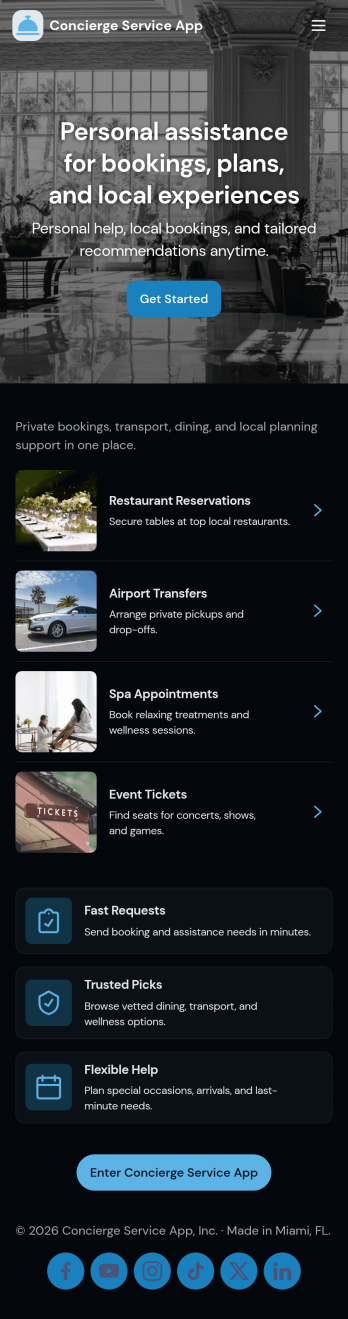
Concierge Service App
Concierge Service App helps teams present concierge offerings in one place and make it easy for people to request help without friction. Visitors can browse available services, view key details like options and consultation hours, and submit a request when they’re ready. It’s a strong fit for hospitality groups, property managers, corporate concierge providers, luxury retailers, and lifestyle service businesses that handle recurring client needs and one-off tasks. Use it to reduce missed requests, standardize how information is shared, and keep every inquiry routed through a clear intake path.Jotform makes it simple to turn this app template into a polished self-service experience with a no-code app builder and a drag-and-drop interface. Connect the app to your existing forms to capture data collection for new requests and call bookings, then update service listings as your offerings change. Share your Jotform app through a link or QR code, customize branding to match your business, and keep your workflow organized as requests grow.
Go to Category:Customer Portal Apps
Hotel Front Desk Operations App
The Hotel Front Desk Operations App gives hotel reception teams a central place to coordinate daily guest and room activities. Front desk agents, duty managers, housekeeping coordinators, and independent lodging operators can use it to log guest requests, review and update room status, record reservations, and document incidents requiring follow-up. Organized views make it easier to check request context, guest details, arrival and departure information, room assignments, housekeeping notes, and incident records without relying on scattered messages or paper logs. This app template supports smoother shift handoffs, clearer communication between departments, and more consistent service during busy check-in and check-out periods.Jotform makes this Hotel Front Desk Operations App easy to adapt with a no-code app builder and a flexible drag-and-drop interface. Hotels can change pages, navigation cards, buttons, colors, fonts, and branding to match their operating procedures. Connected forms support data collection, while tables and automated workflows help teams organize updates and act on new records. Staff can open the mobile-friendly app from a shared link or QR code, making key operational tools available at the desk or while moving around the property. Start with one of Jotform’s App Templates, customize the layout, connect relevant processes, and publish a practical resource for coordinated hotel operations.
Go to Category:Hotel Management Apps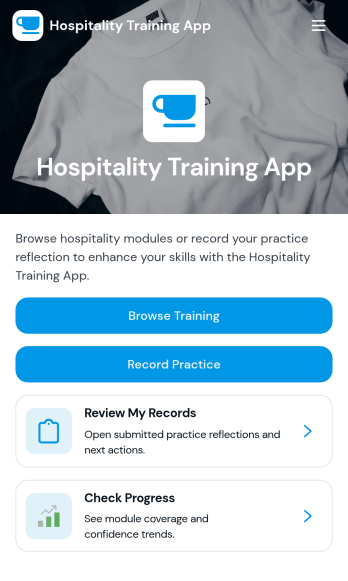
Hospitality Training App
Hospitality Training App helps hotels, restaurants, and guest services teams organize training modules, provide quick reference materials, and keep progress visible in one place. Use it to onboard new hires, reinforce service standards, and support ongoing coaching for front desk, housekeeping, servers, and managers. Staff can browse training modules, open quick resources during a shift, and add a progress entry as they complete learning tasks, making it easier to maintain consistent guest experiences across locations and roles.Built with Jotform, this app template is easy to tailor with a no-code app builder and a drag-and-drop interface, so you can publish training content without relying on developers. Connect the app to forms and data tables for simple data collection and workflow follow-through, then share it by link or QR code for fast self-service access on mobile. Update modules and resources anytime to keep training current and aligned with your operations.
Go to Category:Hospitality AppsAbout Hospitality Apps
Hospitality Apps are specialized apps designed to streamline operations within the hospitality industry, which includes hotels, restaurants, and event management companies. These apps provide a digital platform for managing a variety of operational tasks such as reservations, check-ins, and customer service interactions. By leveraging Hospitality Apps, businesses can enhance efficiency, improve guest experiences, and optimize their workflows. Industries such as hotels, resorts, and catering services rely on these apps for seamless integration into their daily operations, enabling them to maintain high standards of service and customer satisfaction.
Jotform Apps offers a robust no-code app builder specifically tailored for the hospitality sector, utilizing cutting-edge Progressive Web App (PWA) technology. This technology allows apps to be installed directly via a browser without the need for app stores, ensuring broad accessibility across iOS, Android, tablet, and desktop devices. Moreover, with the integration of Jotform Tables, all collected data is centralized, making it easier for businesses to manage and analyze their information efficiently. This workflow-oriented approach ensures that hospitality businesses can focus on delivering exceptional service without being bogged down by technical complexities.
Why Use Hospitality Apps?
- Hospitality Apps are designed to streamline operations by automating routine tasks such as booking confirmations and customer notifications, thereby saving time and reducing the chance of human error. This automation facilitates a smoother workflow, allowing staff to focus on more critical tasks that require personal attention.
- By using Hospitality Apps, businesses can improve their customer service through features like real-time updates and easy access to customer preferences and feedback. This results in a more personalized guest experience, which can significantly enhance customer satisfaction and loyalty.
- These apps offer robust data management capabilities, allowing businesses to collect and analyze data efficiently. With centralized data storage, organizations can gain valuable insights into customer behaviors and preferences, enabling them to make informed decisions to enhance their services.
- The ability to integrate payment processing directly within the apps simplifies transactions for both businesses and customers. By supporting various payment gateways, Hospitality Apps ensure that transactions are secure and convenient, improving the overall financial operations of the business.
- Hospitality Apps are versatile and scalable, allowing for customization to meet the specific needs of any hospitality business. Whether it's a small boutique hotel or a large restaurant chain, these apps can be tailored to fit unique operational requirements, ensuring maximum efficiency and effectiveness.
Common Problems Solved by Hospitality Apps
- One common challenge in the hospitality industry is managing reservations and bookings efficiently. Hospitality Apps solve this problem by providing features that automate the reservation process, reducing double bookings and ensuring that all customer bookings are accurately recorded and managed.
- Communication breakdowns between staff and guests can lead to unsatisfactory service. These apps facilitate seamless communication through push notifications and real-time updates, ensuring that staff are always informed and guests receive timely information about their services or events.
- Payment processing can often be cumbersome and prone to errors. By integrating payment gateways like Stripe and PayPal, Hospitality Apps streamline payment transactions, making them faster and more reliable. This integration ensures that financial operations are smooth and secure, enhancing the overall customer experience.
- Data management is a critical issue for many hospitality businesses, as scattered data can lead to inefficiencies and poor decision-making. Hospitality Apps address this by centralizing data storage, allowing businesses to manage their data effectively and derive actionable insights to improve their operations.
Matching Use Cases to Features
- The drag-and-drop interface of Jotform’s no-code app builder allows hospitality businesses to easily create custom apps that cater to their specific needs. This feature is particularly useful for designing user-friendly booking systems, enhancing the customer experience by making reservations quick and hassle-free.
- With push notifications, Hospitality Apps enable businesses to maintain continuous engagement with their guests. This feature helps in sending timely updates and reminders about reservations or special offers, ensuring that guests are always informed and engaged.
- Payment integrations with platforms like Stripe and PayPal allow hospitality businesses to collect payments directly through the app. This functionality is crucial for streamlining transactions, reducing wait times, and ensuring a secure payment process for both the business and its customers.
- The store builder feature is ideal for hospitality businesses that offer merchandise or additional services. It allows for the creation of an online store within the app, simplifying the process for guests to purchase items or book add-on services during their stay.
- Publishing options, whether public, private, or company-only, give businesses control over who can access their apps. This feature is essential for maintaining privacy and ensuring that sensitive information is only accessible to authorized users.
- Sharing methods such as Direct Link, Email, QR Code, and Social Media facilitate easy distribution of the app. This ensures that guests and staff can quickly access the app, improving overall communication and interaction within the hospitality environment.
- Workflow automation within Hospitality Apps significantly optimizes operations by automating repetitive tasks. This feature is critical for tasks such as sending booking confirmations and collecting guest feedback, thereby freeing up staff to focus on more strategic activities.
How to Create a Hospitality App
- Choose a category-relevant template from the Template List or start from scratch.
- Customize using the Drag-and-Drop Interface to add necessary features and branding elements.
- Share via Link, QR Code, or Embed to ensure broad accessibility and easy distribution.
Top Use Cases for Hospitality Apps
- For Managers: Hospitality Apps empower managers by providing them with a centralized platform to oversee all operations effectively. With features that allow for real-time data access and workflow automation, managers can make informed decisions quickly and efficiently. The apps also facilitate seamless communication between departments, ensuring that everyone is aligned and working towards common goals. By utilizing these apps, managers can maintain high operational standards while focusing on strategic planning and business development.
- For Teams: Teams within the hospitality industry benefit greatly from the streamlined workflows facilitated by Hospitality Apps. These apps enhance team collaboration by providing tools for task management and real-time communication. Staff members can easily access guest information and preferences, enabling them to deliver personalized services that exceed customer expectations. The apps also reduce manual workload through automation, allowing teams to focus more on delivering quality service and less on administrative tasks.
- For Customers: Hospitality Apps significantly enhance the customer experience by offering convenient and personalized services. Guests can use the app to make reservations, access information about their stay, and receive updates about special offers or events. With secure payment options integrated into the app, customers can easily make bookings and transactions without any hassle. This level of convenience and personalization ensures that guests have a memorable experience, encouraging repeat visits and positive reviews.
Summarizing Hospitality Apps
Hospitality Apps are invaluable for modern-day hospitality businesses aiming to enhance their operational efficiency and customer satisfaction. By offering a comprehensive platform that integrates booking management, real-time communication, secure payments, and data centralization, these apps address critical industry challenges effectively. Jotform Apps, with its no-code app builder, empowers businesses to create tailored solutions that align with their specific needs, fostering an environment of innovation and excellence within the hospitality sector.
Frequently Asked Questions
1) Is it free to create and use Hospitality apps on Jotform?
Jotform offers a Starter plan that allows users to create and use Hospitality apps at no cost. This plan provides access to basic features, enabling businesses to explore the platform and understand its capabilities. However, to unlock advanced features and higher limits, businesses may consider upgrading to one of Jotform's paid plans, which offer more extensive functionalities and customization options.
2) Are the data and payments collected through the app secure?
Yes, the data and payments collected through Jotform Apps are secure. Jotform implements stringent security measures, including encryption and compliance with GDPR standards, to protect user data. These measures ensure that all information collected is handled with the utmost care, providing peace of mind for both businesses and their customers.
3) Do I need any coding skills to create a Hospitality app with Jotform?
No coding skills are required to create a Hospitality app with Jotform. The platform's no-code app builder features an intuitive drag-and-drop interface, making it accessible to users of all skill levels. This ease of use allows businesses to quickly design and deploy apps that meet their specific operational needs without the need for technical expertise.
4) Can I collect payments for services directly through the app?
Yes, you can collect payments for services directly through the app using integrated payment gateways such as Stripe and PayPal. These integrations facilitate seamless transactions, allowing customers to make payments securely and conveniently. By enabling direct payments, Hospitality Apps streamline the booking and purchasing process, enhancing the overall customer experience.
5) Does Jotform support offline data collection for Hospitality apps?
Jotform supports offline data collection for Hospitality apps through its Mobile Forms feature. This capability ensures that data can be collected even in areas with limited or no internet connectivity, making it ideal for remote locations or on-the-go data gathering. Once the device reconnects to the internet, the collected data is automatically synced to Jotform Tables, ensuring that no information is lost.
6) Are Jotform Apps compatible with both iOS and Android devices?
Yes, Jotform Apps are compatible with both iOS and Android devices. The use of Progressive Web App (PWA) technology ensures that the apps can be installed via a browser, eliminating the need for app store downloads. This compatibility across various devices guarantees that users have a seamless experience regardless of their preferred platform.
7) How can Hospitality Apps improve customer engagement?
Hospitality Apps improve customer engagement by offering personalized experiences and real-time updates. Features such as push notifications keep customers informed about their reservations or special offers, enhancing their overall experience. Additionally, the ability to access services and information through a single app increases convenience and encourages ongoing interaction with the business.
8) Can I customize the look and feel of my Hospitality app?
Yes, you can fully customize the look and feel of your Hospitality app using Jotform's drag-and-drop interface. This feature allows you to incorporate your brand's colors, logos, and other design elements to create a cohesive brand experience. Customization ensures that the app aligns with your business identity and provides a consistent user experience for your customers.